
India Moves Toward Strategic Natural Gas Storage Amid Regional Turmoil
The recent conflict in West Asia has accelerated India’s efforts to establish its first strategic natural gas storage system. Public sector oil companies are exploring various methods, including underground salt caverns and above-ground cryogenic LNG tanks, to enhance the nation’s energy security. This initiative reflects India’s recognition of its vulnerability to disruptions in liquefied natural gas (LNG) and liquefied petroleum gas (LPG) supplies, especially given that the Middle East Gulf accounts for over half of India’s imports of both fuels.
Exploring Storage Options: Salt Caverns and Cryogenic Tanks
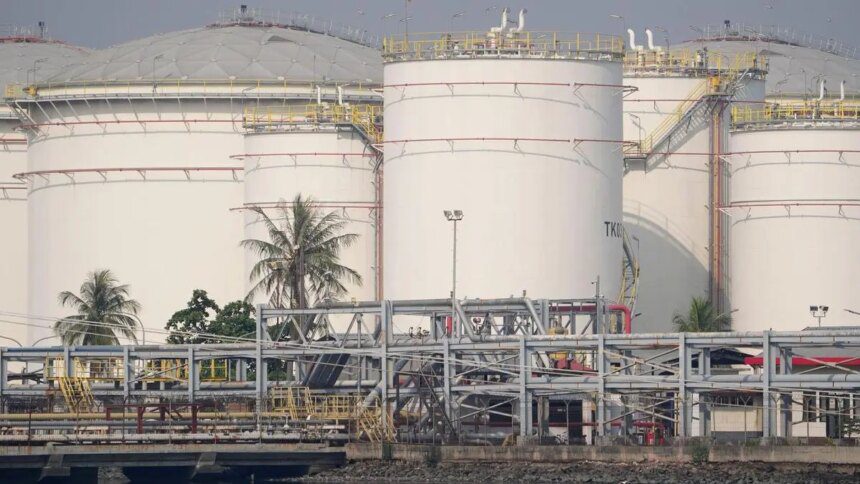
India’s move comes as the Indian Strategic Petroleum Reserves Limited (ISPRL), which currently manages the country’s strategic crude oil reserves, lacks expertise in salt cavern storage. Consequently, feasibility studies led by Engineers India are underway to evaluate both technological options and suitable geological structures for natural gas storage. Sources highlight that PSU oil companies are focused on assessing the viability of using salt caverns and constructing cryogenic over-ground tanks near LNG regasification terminals.
These developments aim to address concerns following the ongoing West Asia conflict, with a dedicated committee from the Petroleum Ministry examining various storage strategies. This committee is part of the seven Empowered Groups of Secretaries established by the Indian government to tackle disruptions in trade, logistics, and supply chains.
Strategic Planning for Future Supply Stability
The deliberations among officials will center around the appropriate storage volumes needed over the next 4-5 years, aiming to create a buffer that is both strategic and commercially viable. Such storage facilities would not only help in ensuring supply stability but could also allow India to take advantage of arbitrage opportunities, similar to how China manages its substantial crude oil storage. With the conflict pushing timelines for new production facilities, priorities include rebuilding damaged infrastructure, particularly in key areas like Qatar’s Ras Laffan facility.
The urgency is underlined by a recent report published by the Council on Energy, Environment and Water (CEEW) which indicated that India, despite importing nearly half of its gas requirements, currently does not possess dedicated strategic natural gas storage. This places vital sectors, including power generation and industry, at risk of supply disruptions which can severely impact overall economic stability.
What This Means
This initiative represents a significant step in reinforcing India’s energy security, particularly in the context of foreign policy and regional instability. By diversifying its storage capabilities and improving resilience against external shocks, India aims to safeguard crucial energy supplies that continue to fuel its rapidly growing economy. The focus on strategic reserves will also align with long-term energy planning, addressing both domestic needs and the pressing challenges posed by global energy dynamics. As India pushes forward, building expertise and infrastructure in natural gas storage could transform not only national energy policies but also contribute positively to regional energy security.
Frequently Asked Questions
Why is India focusing on natural gas storage now?
The recent West Asia conflict has highlighted India’s vulnerability to disruptions in LNG and LPG supplies, prompting the government to invest in strategic natural gas storage to safeguard energy security.
What types of storage options are being considered?
India is exploring underground salt caverns and cryogenic over-ground tanks. Feasibility studies are being conducted to evaluate these options in the context of geological suitability.
How does this initiative fit into India’s broader energy strategy?
This initiative is part of a larger plan to enhance energy resilience, ensuring that India can manage potential supply disruptions while also capitalizing on commercial opportunities in the global energy market.
What are the potential economic impacts of improved natural gas storage?
Enhanced storage capabilities could stabilize energy supplies, minimizing disruptions in key sectors and promoting a more secure economic environment, potentially attracting further investment in the energy sector.