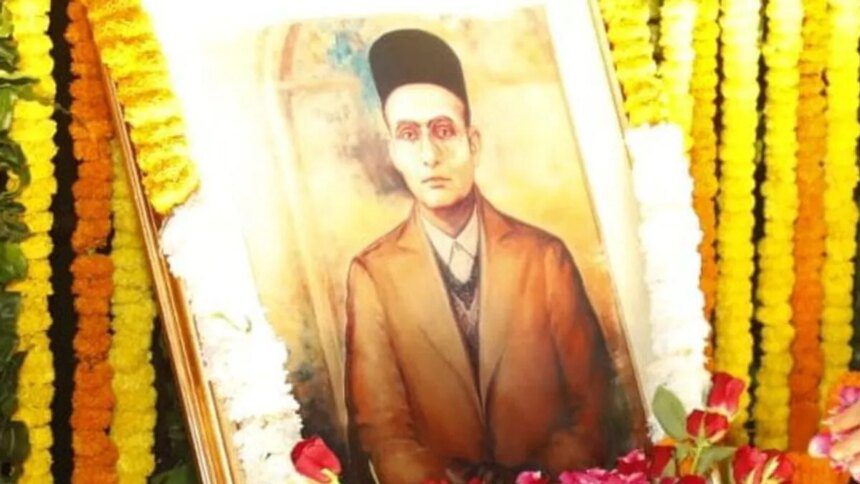

In a recent defamation trial, Satyaki Savarkar, grandnephew of Hindutva ideologue Vinayak Damodar Savarkar, defended his uncle against remarks made by Congress leader Rahul Gandhi. Satyaki asserts that Savarkar never harbored animosity toward Muslims and, contrary to Gandhi’s claims, did not engage in acts of violence or hatred against them.
Overview of the Defamation Case
The trial stems from statements made by Rahul Gandhi during a speech in London in March 2023, where he alleged that Savarkar described an incident in which he and friends assaulted a Muslim man. Satyaki testified in court, asserting these claims are false, and intended to project Savarkar as a “mob lyncher” and an “extreme hater of Muslims.” He emphasized that Savarkar’s writings, in fact, focused on the advancement of Muslims in society.
Contesting Historical Narratives
Satyaki’s testimony also examined the broader historical context of Savarkar’s legacy. He refuted Gandhi by stating no evidence exists in Savarkar’s published works that supports the alleged incident. During cross-examination, the defense introduced interviews involving Satyaki’s maternal grandfather, Gopal Godse, providing insights into the ideological connections between Hindu nationalist groups like the Hindu Mahasabha and the Rashtriya Swayamsevak Sangh (RSS).
Satyaki clarified that while the Kapur Commission’s inquiry into Savarkar’s alleged involvement in Mahatma Gandhi’s assassination is historic, it was tasked with a broader analysis that wasn’t limited to allegations of direct participation in the assassination. He acknowledged Savarkar’s contentious relationship with British authorities but insisted that historical records have been misinterpreted.
The Role of Political Rhetoric
This case highlights the heightened political tensions surrounding historical interpretations of figures like Savarkar within India. Supporters of the BJP and RSS often cite Savarkar’s work as foundational to their ideology, whereas opponents criticize his legacy, alleging that he promoted divisive narratives. As these discussions unfold through political speeches and courtrooms, the implications extend into societal views towards Muslims in India, who frequently contend with accusations rooted in historical grievances.
Why It Matters
This defamation case encapsulates the ongoing struggle between historical narratives and political rhetoric in modern India. With rising concerns over the marginalization of Indian Muslims under current political regimes, discussions related to Savarkar’s legacy are paramount. The implications of this trial could influence public sentiment and policy direction impacting socio-economic relations among different religious communities in India.
Frequently Asked Questions
What are the main accusations against Vinayak Savarkar?
Rahul Gandhi accused Savarkar of promoting hatred against Muslims and being involved in a violent incident detailed in his writings, which Savarkar’s grandnephew contests as false.
What does Satyaki Savarkar claim about his uncle’s views on Muslims?
Satyaki asserts that Savarkar never hated Muslims and actually advocated for their social and economic progress through his literary work.
How does this case reflect on current Indian politics?
The case illustrates the ongoing political polarizations in India, particularly surrounding historical interpretations that can affect Muslim communities, pointing to the complexities of national identity and communal relations.
What is the significance of Savarkar in Indian history?
Savarkar is a contentious figure; revered by some as a freedom fighter and progenitor of Hindutva, while others criticize his legacy for promoting divisive ideologies that contribute to contemporary social tensions.