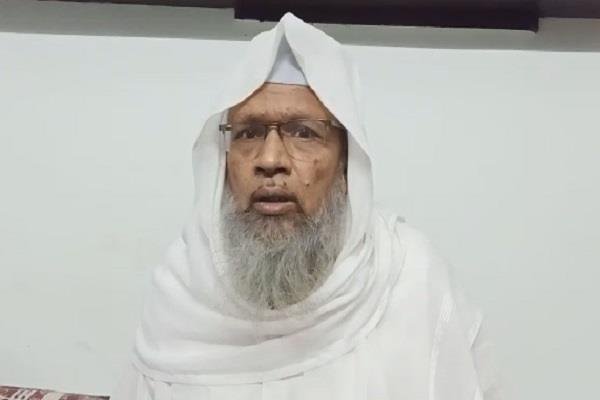

In a growing contention surrounding the proposed Uniform Civil Code (UCC) Bill 2026 in Madhya Pradesh, Muslim leaders have called for either the withdrawal of the bill or an exemption for Muslims, arguing that such legal interference threatens religious freedom and cultural identity.
Call for Exemption from the UCC Bill
Bhopal Shahar Qazi Maulana Syed Mushtaq Ali Nadvi has raised significant concerns about the implications of the UCC Bill, stating that interference in personal laws affects the Muslim community’s long-standing traditions in marriage, inheritance, and wills. He advocated at a press conference in Bhopal for the exclusion of Muslims from the bill if the government does not reconsider its passage. Nadvi emphatically stated, “If the 21 percent tribal community can be excluded from the UCC, then the 6 percent Muslim community should also be excluded.” He voiced that maintaining peace and social harmony is crucial, urging members of the community to adhere to Muslim personal law and educating younger generations on these practices.
Broader Opposition from Minorities
The Madhya Pradesh United Minorities Forum has joined the chorus opposing the UCC Bill, demanding similar exemptions for Muslims and other minority communities. Their argument hinges on the constitutional guarantee of religious freedom and cultural identity. Personal matters, such as marriage and inheritance, should be safeguarded from overarching legal frameworks like the UCC, they contend. The Forum pointed out the inconsistency in exemptions granted to specific groups, like Scheduled Tribes, while seemingly excluding Muslims and other minorities, thereby raising questions about equitable treatment under the law.
Concerns Over Religious Freedom
Adding to the debate, Christian leader Fr. Anil Martin expressed worries regarding religious freedoms, indicating that Christians frequently face scrutiny over private religious observances. He implored for broader consultation before implementing any provisions within the UCC that could affect personal law, emphasizing the need to involve women’s organizations, tribal communities, religious groups, and civil society in discussions. He stated, “We are concerned that our religious freedom is being taken away.” Such sentiments underscore a broader anxiety among various minority communities in India regarding potential encroachments upon their religious practices and personal freedoms.
Why It Matters
The growing dissent against the UCC Bill raises critical questions about minority rights, religious freedoms, and social cohesion in India. For developers and users in the AI industry, understanding these social dynamics is crucial as they navigate content moderation, biased data analytics, and ethical AI deployment. The implications of legal frameworks like the UCC on minority communities can serve as case studies for analysis in creating fair and unbiased algorithms. Moreover, as AI continues to influence public discourse and sentiment analysis, an informed understanding of these sociopolitical issues could guide technology toward more equitable outcomes.
Frequently Asked Questions
What is the Uniform Civil Code (UCC) Bill?
The UCC Bill aims to replace personal laws based on the scriptures and customs of each major religious community in India with a common set governing every citizen, irrespective of their religion.
Why do Muslim leaders oppose the UCC Bill?
Muslim leaders argue that the UCC Bill infringes on their religious freedoms and personal laws that govern marriage, inheritance, and other aspects of life, which they have followed for generations.
What exemptions are being sought for minority communities?
Leaders from the Muslim community are calling for exemptions from the UCC, similar to those granted to Scheduled Tribes, to protect their Islamic personal laws from legal alterations.
How has the public responded to the UCC Bill?
There has been significant confusion and concern among the Muslim community regarding the UCC, leading to a dramatic increase in applications for marriage licenses as individuals seek clarity and security in their marital status amidst legislative uncertainty.