
Summary
Yoga guru Baba Ramdev recently voiced his concerns during a visit to Chhattisgarh, arguing that the fundamental challenges confronting India are more about the nation’s youth and economic priorities than about religious or caste-based threats. His comments underscore the complex socio-political environment in India, where issues of religious identity and economic advancement coexist.
The Political Landscape and Religious Discourse
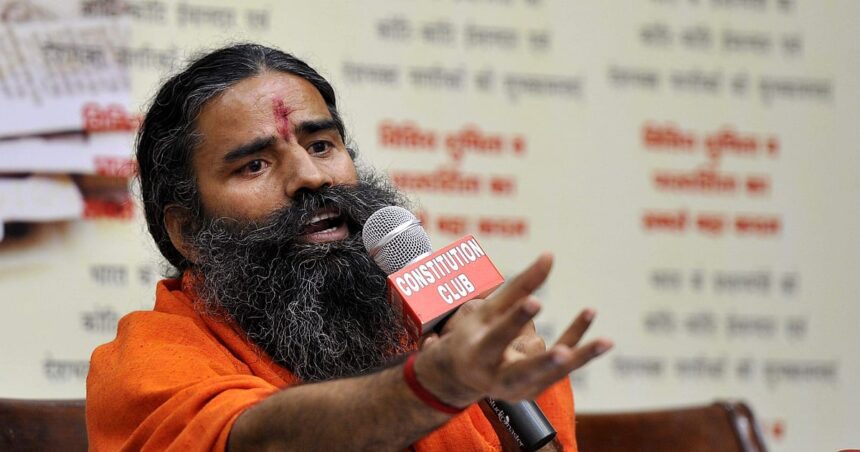
Ramdev emphasized that the ongoing political discourse often centers on religious identities, which distracts from pressing issues such as the well-being of children and the youth. “Neither Hinduism, Islam, nor Christianity is in danger; rather, it is the future of our children in peril,” he stated at Raipur Airport. This remark touches upon a growing concern that discussions about religious persecution, especially in the context of rising Hindu nationalism and its impact on minorities, oversimplify the multi-faceted nature of contemporary societal challenges.
Economic Priorities Over Religious Conflicts
During his address, Ramdev urged the nation to invest more in economic development rather than get embroiled in religious disputes. He pointed out the need for India’s economy to be paramount, with goals such as achieving parity between the Indian Rupee and the US Dollar. By framing economic growth as essential for a more respected global standing alongside powers like the United States and China, Ramdev aligns his views with those who advocate for a more development-focused governance approach, particularly as minority communities continue to face socio-economic challenges.
The Need for Social Accountability
Ramdev raised concerns about the moral and cultural framework of the governing apparatus, asserting that it should actively protect the nation from conspiracies against societal cohesion. He articulated a need for comprehensive reforms in essential sectors like education, healthcare, agriculture, and economic systems to build a more inclusive society. His statement on peaceful democratic movements highlights the necessity for accountability without resorting to violence, reflecting the ongoing debates about student involvement in protests, which often see a diverse array of voices, including those from minority groups, advocating for their rights.
Why It Matters
In an increasingly polarized political climate, Ramdev’s remarks serve as a call to reconsider the narrative surrounding economic and religious aspects of governance. For developers and users within the AI industry, understanding this context is critical, especially as social dynamics in India can influence technology adoption and its applications. The economic focus may foster a demand for AI solutions in sectors like education and rural development, where addressing the needs of marginalized groups is essential for broader societal growth.
Frequently Asked Questions
What are the main concerns raised by Baba Ramdev regarding India’s youth?
Ramdev highlighted that the focus on religious disputes detracts from addressing the real challenges faced by the youth, including education and economic opportunities.
How does Ramdev suggest India should prioritize its development?
He suggested that India should prioritize economic growth and stability over religious conflicts to enhance its global standing and ensure a prosperous future for its children.
What historical context underlies Ramdev’s comments on religious conversion?
Ramdev’s assertion reflects a broader socio-political discourse that often claims that longstanding cultural traditions in Hinduism provide sufficient reason for individuals to remain within their faith, dismissing the motivations behind religious conversion.
In what ways does Ramdev address the socio-economic conditions of minorities?
While he focused on economic development, the implications of his remarks suggest an acknowledgment of the social challenges faced by minority communities, urging a more inclusive approach to governance and societal progress.