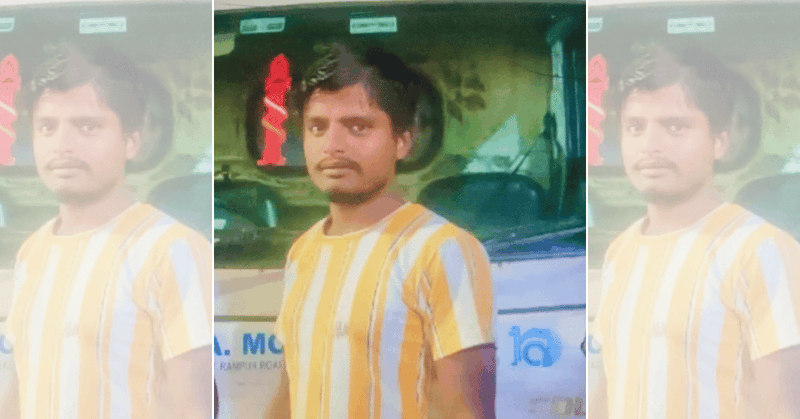

In a tragic incident of road rage in Hapur, Uttar Pradesh, Azeem Ali, a Muslim pick-up truck driver, was brutally beaten by a group of Kanwariyas after a collision with their auto-rickshaw. He succumbed to his injuries four days later, raising concerns over communal violence and law enforcement in the region as no arrests have been made yet.
Incident Overview
Azeem’s vehicle collided with an auto-rickshaw hired by the Kanwariyas, who were on a pilgrimage during the holy month of Shravan. Following the collision, a group of four Kanwariyas dragged Azeem from his vehicle and subjected him to severe physical assault. The incident took place in Hapur, where Azeem eventually fell into a coma and was hospitalized in Delhi, passing away four days post-incident. This brutal act has sparked outrage among local communities and highlights the ongoing tensions surrounding communal interactions in India.
A Rising Concern of Lawlessness
Despite the identification of four Kanwariyas involved in the attack, the Uttar Pradesh police have yet to take any tangible actions, with no arrests reported at the time of Azeem’s death. This inaction has raised alarms about the effectiveness of law enforcement in dealing with communal violence. The case shines a light on the inability or unwillingness of authorities to promptly address such serious incidents, which further exacerbates public fears regarding communal security. Added to this, the auto-driver’s father has filed a counter-complaint, complicating the already tense situation by potentially framing a different narrative around the incident.
Public Reaction and Media Coverage
The incident has garnered significant media attention and public outrage, particularly from civil rights groups who see it as a symptom of broader societal issues related to communal tensions in India. Social media has played a crucial role in amplifying voices against such acts of violence, sparking discussions about the need for better inter-community relations, the role of religious processions, and the response of law enforcement in similar cases. The story has been widely reported, revealing a growing concern for justice and accountability in a society grappling with increasing polarization.
Why This Matters
This incident holds significant political implications for India, particularly in the context of communal harmony and social justice. The lack of action from the authorities may signal a troubling precedent in which brutality against marginalized communities goes unpunished. Furthermore, it raises questions about the security of religious minorities in regions that have been historically prone to communal violence. As communities react strongly to such incidents, political parties may feel pressure to address these issues more urgently, especially in light of upcoming elections. It reflects a crucial moment in the struggle for interfaith understanding and signifies the importance of maintaining law and order amidst rising communal sentiments.
Frequently Asked Questions
What exactly happened to Azeem Ali?
Azeem Ali, a Muslim pick-up truck driver, was severely beaten by a group of Kanwariyas in Hapur after a collision with their auto-rickshaw. He eventually died in a hospital after falling into a coma.
Have any arrests been made in this case?
No arrests have been made yet, although four Kanwariyas have been identified by the police as involved in the incident.
What are the legal implications of this incident?
The incident has drawn attention to issues surrounding communal violence and law enforcement’s response. Legal actions have been initiated, including counter-complaints, but the lack of prompt arrests raises significant concerns over justice and accountability.
Why is this incident politically significant?
This incident highlights ongoing communal tensions in India and raises critical questions about the treatment of religious minorities. It may pressure political parties to address issues related to communal harmony and law enforcement ahead of upcoming elections.