
Two Minors Arrested for Stone Pelting on Swarn Shatabdi Express
Two minors have been apprehended for stone pelting at the Swarn Shatabdi Express in Uttar Pradesh, with claims that they were unaware of the identity of the passengers aboard the train. This incident has brought to light the potential safety risks associated with such reckless behavior, particularly in a public transport context.
Details of the Incident
The stone-pelting incident occurred while the train was passing through Firozabad. The minors targeted the train car where Dr. Mohan Bhagwat, the chief of the Rashtriya Swayamsevak Sangh (RSS), was traveling. Notably, the window glass of the train was shattered due to the stones being hurled. Thankfully, Dr. Bhagwat was unharmed and reached Delhi safely.
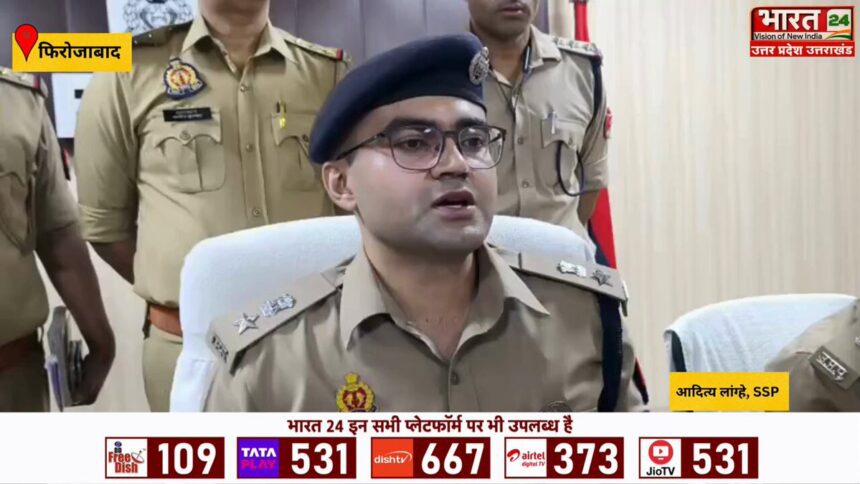
According to local police, the minors reportedly claimed ignorance about who was on the train, raising questions about their motives. The incident could have led to serious consequences had someone been injured. The police statements reflect a concern not only for public safety but also for the implications of such actions being normalized among youth.
Context of the Assault
Incidents of stone pelting on trains and public transport are not novel in India. Various factors, including political unrest, local feuds, and youth engagement in reckless behavior influenced by social media, contribute to such occurrences. The RSS, as a prominent Hindu nationalist organization, often finds itself at the center of political scrutiny, particularly during events that threaten its leadership or safety.
This particular incident raises broader issues related to societal youth culture. The minors’ lack of awareness about the identity of passengers suggests a disconnect between the actions they take and the serious repercussions that may follow. It points to a need for greater educational initiatives around civic responsibility and safety.
Analysis of Response
The response from local law enforcement has been swift, indicating the seriousness with which such incidents are regarded. By detaining the minors, the authorities aim to send a strong message that such behavior will not be tolerated. However, it also invites discussion around how to effectively address the root causes of such actions instead of merely penalizing offenders.
Moreover, this incident occurred against a backdrop of heightened tensions in Indian politics, where public figures like Dr. Bhagwat often become targets of political dissent. As debates rage on about freedom of expression versus acts of violence, this incident serves as an example of how political contexts can play a role in public safety issues.
Why This Matters
This incident illustrates the complexities of security on public transport and the challenges of addressing youth behavior in a politically sensitive landscape. For Indian readers, it signifies the need for a dialogue around civic education, public safety, and the implications of political dissent. Furthermore, incidents like these can spark distrust towards local law enforcement and raise questions about the safety of prominent figures, potentially impacting public confidence in the political establishment.
Frequently Asked Questions
What led to the stone pelting incident?
The two minors were arrested after they threw stones at the Swarn Shatabdi Express train, reportedly without awareness of who was on board.
Who was traveling on the train during the incident?
Dr. Mohan Bhagwat, the chief of the RSS, was traveling in the E-1 coach of the train when the incident occurred.
What was the police response to the incident?
The police detained the two minors involved in stone pelting, emphasizing the importance of public safety.
What are the implications of this event for public safety?
This incident highlights ongoing security concerns in India regarding public transport and the need for educational initiatives to foster responsible behavior among youth.