
Significant Political Developments Amid Protests in India
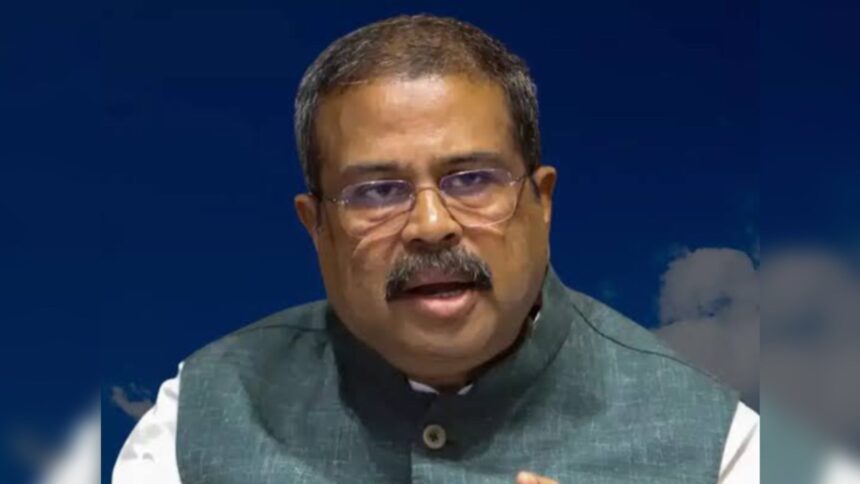
In a recent address, senior BJP leader and former Union Education Minister Dharmendra Pradhan highlighted the attempts to mislead the younger generation during protests related to the NEET paper leak. Pradhan stepped down on July 25 amidst escalating discontent, asserting that the future of millions rests on the aspirations of India’s youth, which he emphasized are pivotal for the nation’s promise as a global leader.
Dharmendra Pradhan’s Resignation and Political Context
Pradhan’s resignation came in the wake of large-scale protests at Jantar Mantar in Delhi. He expressed concern over misinformation aimed at “Gen Z,” referring to the demographic of individuals born around the late 1990s and early 2000s. During his speech at GM University, he detailed his approach to Prime Minister Narendra Modi, voluntarily offering his resignation to uphold the interests of the youth. “The post was not important to me,” Pradhan stated, reflecting his perspective that public service should prioritize community aspirations over political ambition.
Inter-party Tensions and Local Dynamics
During his address, Pradhan did not shy away from criticizing Odisha’s former chief minister, Naveen Patnaik, accusing him of exploiting youth discontent for political advantage. Following protests that included chants of “Dharmendra Pradhan Go Back,” he reinforced his connection to the local population, declaring, “I am a farmer’s son,” and challenged the accusations aimed at him. The BJP leader sought to present himself as a custodian of Odisha’s dignity rather than a source of shame.
However, local BJD leaders responded fiercely, asserting that Pradhan’s governance and party policies were more to blame for recent unrest than any individual protest actions. Rohit Pujari, a BJD official, criticized police force deployment during peaceful protests, emphasizing that several student suicides were emblematic of a deeper governmental failure. This underscores the growing discord and accountability issues between political parties in India.
Government and Police Response to Protests
In anticipation of further protests, local police took preventative measures by detaining around 30 BJD workers. This highlights the tense atmosphere surrounding political discourse in Odisha, where student activism and governmental responses have become critical flashpoints. As social unrest evolves, the need for a balanced dialogue around student welfare and governance has never been more pressing, raising questions about accountability and responsibility at various levels of leadership.
Why It Matters
The developments surrounding Dharmendra Pradhan and the protests related to the NEET paper leak illustrate broader themes of governance, socio-political dynamics, and youth engagement in India. These events exemplify a critical junction for political parties as they navigate public sentiment amid escalating demands for transparency and accountability. The response from government officials and party leaders not only influences local elections but also reflects national sentiment regarding youth representation and the responsiveness of political institutions.
Frequently Asked Questions
What prompted Dharmendra Pradhan to resign?
Dharmendra Pradhan resigned due to widespread protests over the NEET paper leak, expressing concerns over misinformation targeting the youth demographic.
How did local authorities respond to the protests?
Local authorities detained around 30 BJD workers as a precautionary measure, indicating a preemptive approach to manage anticipated unrest.
What accusations did Pradhan make against Naveen Patnaik?
Pradhan accused Patnaik of engaging youth in protests against him and labeled him as a disgrace to the people of Odisha, highlighting tensions between the BJP and BJD parties.
What was the student response to the government’s actions?
The student response included peaceful protests that criticized police actions like lathi-charges and teargas deployment, implying a broader discontent with government policies and treatment of youth issues.