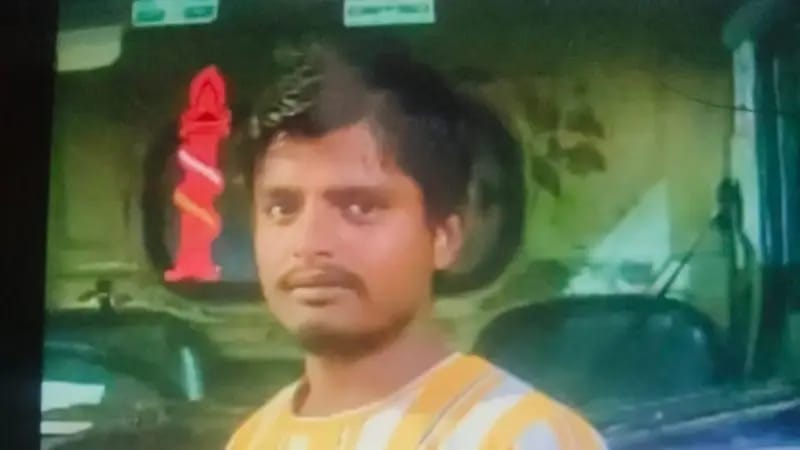

A tragic incident in northern India has sparked outrage and raised questions about safety and justice for minority communities. A 28-year-old Muslim driver, Azeem, died after allegedly being assaulted by a group of Hindu Kanwar pilgrims following a road accident in Uttar Pradesh. The conflict surrounding this incident highlights broader issues of discrimination and marginalization faced by Muslims in the region.
The Incident: A Collision and Its Aftermath
The event unfolded on July 31 near the Garh toll plaza in Hapur district, where Azeem was driving his pickup truck when it collided with an auto-rickshaw carrying Kanwariyas—Hindu devotees participating in the annual Kanwar Yatra. This pilgrimage, which involves collecting holy water from the Ganges and transporting it to Shiva temples, is one of the largest Hindu gatherings in India.
Eyewitness accounts and family statements indicate that after the collision, Azeem was subjected to a brutal attack by the auto-rickshaw’s driver and several passengers. He was left injured by the roadside and eventually succumbed to his injuries in a New Delhi hospital five days later, on August 4. Azeem’s father, Intezar Hussain, expressed anguish over the loss of his son, who had become the family’s main support following the death of his wife years earlier.
Legal Proceedings: A Complex Investigation
Following Azeem’s death, police registered a case under the Bharatiya Nyaya Sanhita, India’s primary criminal law, charging seven individuals with attempted murder stemming from the assault. However, a counter-case was filed based on the claims of the auto driver, who alleged that Azeem had intentionally rammed his vehicle into the auto-rickshaw, leading to the confrontation.
This dual narrative complicates the investigation, with the police emphasizing their commitment to assess all circumstances surrounding the incident. The family seeks justice and accountability, as contrasting versions of events highlight systemic biases that may affect the outcome of the case. Azeem’s relatives argue that justice is necessary not just for their family but as a broader reflection of equitable treatment for Muslims in India.
The Impact on Azeem’s Family and Community
Azeem’s death has left his family, including a five-month-old son, in dire economic circumstances. According to Firasat Hussain Gama, a local politician and family friend, Azeem was the sole breadwinner, and his passing means the family must now navigate life with limited resources and support. They live in a makeshift house, further emphasizing the precariousness of their situation.
Intezar Hussain’s emotional appeals for fair treatment from authorities underscore the severity of their financial struggles. As the family faces significant challenges without the main income earner, community leaders have criticized the state government for not providing timely support to the bereaved family. This situation reflects ongoing concerns about the economic marginalization of the Muslim community in India, where incidents like Azeem’s death can exacerbate existing vulnerabilities.
Why It Matters
The tragic death of Azeem raises crucial questions about communal harmony, safety, and the treatment of minorities in India. Incidents of violence, especially those motivated by religious identity, highlight the urgent need for systemic reforms in policing and justice to ensure equitable treatment for all citizens, regardless of their religious background. An investigation into this case could set a precedent for how similar incidents will be addressed in the future, impacting public trust in the legal system and governance in India.
Frequently Asked Questions
What happened to Azeem?
Azeem was involved in a vehicular collision with an auto-rickshaw carrying Hindu pilgrims, which led to him being attacked by the passengers after the incident. He succumbed to his injuries days later.
What are the legal charges in Azeem’s case?
Seven individuals have been charged with attempted murder following the assault on Azeem, while a counter-case has been filed accusing Azeem of deliberately ramming his vehicle into the auto-rickshaw.
What is the significance of the Kanwar Yatra in India?
The Kanwar Yatra is one of the largest Hindu pilgrimages, drawing millions of devotees who travel to collect sacred water from the Ganges, highlighting its cultural and religious importance in India.
How has Azeem’s family been affected by his death?
Azeem’s death has left his family in a precarious financial situation, as he was the sole breadwinner. His elderly father and young widow now face significant economic challenges.