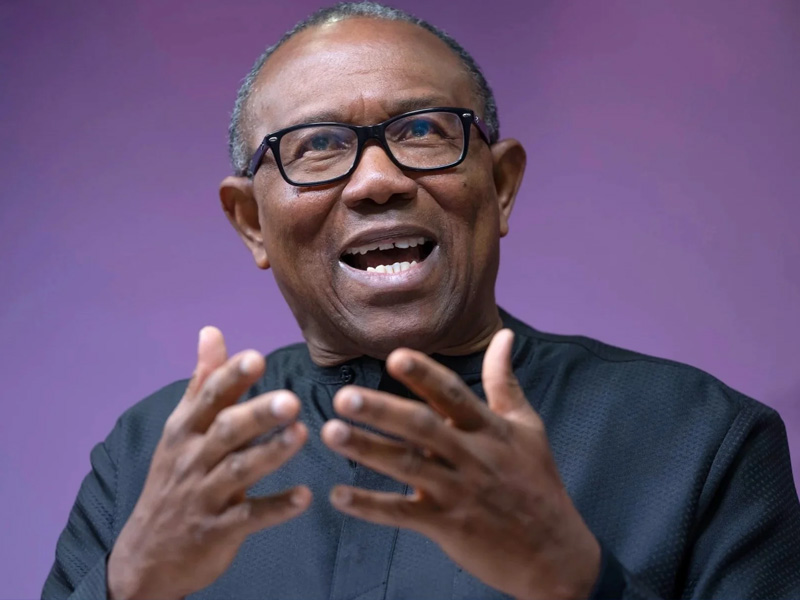

Allegations Against Peter Obi Refuted by Hausa and Northern Communities in Anambra
The Hausa and northern communities in Anambra State have strongly denied accusations that Mr. Peter Obi, the candidate of the Nigeria Democratic Congress (NDC), discriminated against them during his tenure as governor. Community leaders asserted that the claims were untrue and politically motivated, emphasizing their positive experiences under Obi’s administration.
Community Leaders Speak Out
During a press conference, several leaders from the Hausa and northern communities, including Mr. Mahmud Ibrahim, the secretary of the Hausa Community in Onitsha, and Alhaji Garba Haruna, the traditional ruler of the Hausa community in Awka, voiced their grievances regarding the unfounded rumors. They clarified that Mr. Obi did not force them to obtain identity cards nor did he oversee the demolition of their mosque.
“The mosque they are making reference to was demolished before Obi became governor in 2006. It was during a crisis, and he later visited us in our time of need,” said Ibrahim. The leaders insisted that it was their choice to issue identity cards among themselves for better identification, and not a mandate from Obi’s government.
Benefits of Obi’s Governance
The community leaders recounted various benefits they received during Obi’s governance, including educational initiatives and agricultural loans. Alhaji Gidado Sidikki, chairman of the northern community, referred to a personal loan of N10 million that he received, which they state has significantly appreciated. “They treated us all fairly, with no discrimination,” Sidikki noted.
Moreover, they expressed gratitude for Obi’s sponsorship of trips to Hajj, reinforcing the belief that his administration prioritized inclusivity. Haruna added, “My children benefited from the free education and even now, Obi remains engaged with our community, sending us gifts during celebrations.”
The Political Undertones of the Allegations
The leaders underscored that the allegations being propagated are politically driven, intended to tarnish Mr. Obi’s reputation. Many believe these rumors arise as political maneuvering, especially with the upcoming 2027 elections in sight. The community leaders pledged to mobilize northern voters in support of Obi, alongside his ally, Rabiu Kwankwaso.
“We hope the next election will be easier for him to win,” said Ibrahim, highlighting a united front among the communities for the candidate they believe has supported them. The leaders reiterated that their bond with Obi has remained strong even after he left office.
Why It Matters
The interaction between political figures and minority communities bears significant implications for governance and social harmony in Nigeria. The allegations against Obi reflect broader dynamics of political targeting, which can lead to social fragmentation if not adequately addressed. Understanding community sentiments can illuminate how political narratives are shaped, why certain figures are supported, and how different ethnic groups seek recognition within the political landscape. This case illustrates the importance of verifying claims and fostering dialogue to maintain cohesion among diverse populations.
Frequently Asked Questions
What allegations were made against Peter Obi during his tenure?
Allegations were made that Obi profiled the Hausa and northern communities, requiring them to obtain identity cards and overseeing the demolition of their mosque.
How did the community leaders respond to these allegations?
The leaders refuted the claims, stating they were politically motivated, and emphasized the benefits they received from Obi’s governance, including educational support and agricultural loans.
What specific benefits did the Hausa and northern communities experience under Obi’s governance?
Community leaders reported advantages such as free education, agricultural loans, and sponsorship for trips to Hajj, highlighting a cordial relationship with Obi during his governorship.
How do the community leaders view their relationship with Peter Obi now?
The leaders maintained that their relationship remains strong and cordial, expressing hope to support Obi in future elections as a unified community.