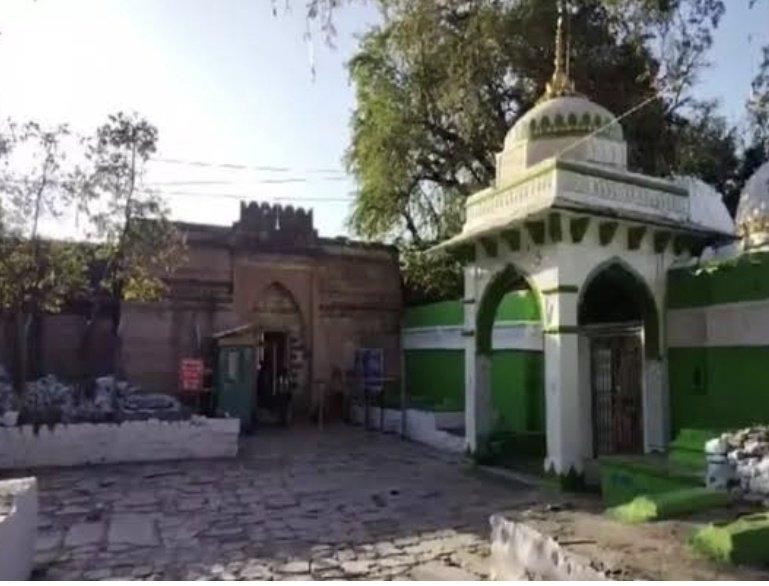

NEW DELHI, India (MNTV) — The sealing of 15 mosques in Itanagar, the capital of Arunachal Pradesh, has drawn sharp criticism from Muslim groups who view the action as discriminatory and part of a larger agenda targeting Islamic institutions. This recent decision follows a local shutdown called by a tribal nationalist group, amplifying concerns about the treatment of minority communities under the BJP government.
Background of the Mosque Closures
The mosques were closed by an order from an Assistant Commissioner-cum-Executive Magistrate, who claimed they lacked the necessary legal authorization to operate. This decision came after protests led by the Arunachal Pradesh Indigenous Youth Organisation (APIYO), which labeled the mosques as “illegal.” According to community leaders, this is not an isolated incident but part of a growing trend of marginalization against Muslim institutions in the region.
The All Arunachal Pradesh Masjid Welfare Committee (AAPMWC) has voiced its discontent, demanding that other religious places should be subjected to the same scrutiny for legal compliance as the mosques. “The authorities are examining the legality and documentation of mosques in the Capital Region. The same scrutiny should apply to churches, gurudwaras, namghars, temples, and other religious structures,” said committee member Giah Limpeh Sultan.
Escalating Tensions and Historical Context
Local Muslims claim the controversy extends beyond just mosques. An anonymous resident emphasized that APIYO has previously targeted maktabs, which are informal centers for Islamic education. He noted that 11 of 14 such centers in the area shut down due to pressure on landlords, raising fears about the future of Islamic education in the region.
The perception of discrimination is heightened by the historical context of inter-community relations in Arunachal Pradesh, where indigenous identity is a sensitive topic. Many in the Muslim community are hesitant to voice their concerns publicly, fearing backlash and alienation in a politically charged environment that favors certain ethnic groups.
The Selective Nature of Legal Compliance
The mosques and community leaders argue that the closures reflect a selective application of laws. While scrutiny has intensified on Islamic institutions, other religious entities allegedly operate without sufficient legal approvals. Sultan referenced information acquired through India’s Right to Information Act, suggesting the need for equitable examination across all faiths.
This selective enforcement raises questions about equality before the law, especially in a diverse nation like India, where religious pluralism is a foundational principle. Critics argue that these actions are not just legal issues but political strategies aimed at marginalizing Muslim communities and asserting dominance by the ruling BJP party.
Why It Matters
The ongoing closures of mosques and the pressure on Islamic educational institutions could signal a broader trend of discrimination that impacts not only community relations but also social fabric in India. Such actions could lead to increased polarization along religious lines, further alienating minority communities and escalating tensions in a nation already grappling with deep-seated socio-political issues. This situation has implications for civil rights, religious freedom, and community harmony, and it puts a spotlight on the necessity for fair and just governance that respects all citizens’ rights.
Frequently Asked Questions
Why were the mosques in Itanagar sealed?
The mosques were sealed by an Assistant Commissioner, who stated they were operating without necessary legal authorization, following pressures from the Arunachal Pradesh Indigenous Youth Organisation aimed at addressing what they considered “illegal” mosques.
What actions have local Muslim organizations taken in response?
The All Arunachal Pradesh Masjid Welfare Committee has demanded the reopening of the mosques and insisted that the same legal scrutiny applied to mosques should also be enforced on all religious institutions across different faiths.
How has the community’s response been affected by fears of backlash?
Many members of the Muslim community are reluctant to publicly oppose the closures due to fears of being labeled as “outsiders,” which could further endanger their safety and well-being in a politically sensitive environment.
What does this incident signify about the treatment of minorities in India?
This incident reflects a broader trend of discrimination and social exclusion faced by minority communities in India, particularly under the current political climate that appears to favor certain indigenous groups over others.