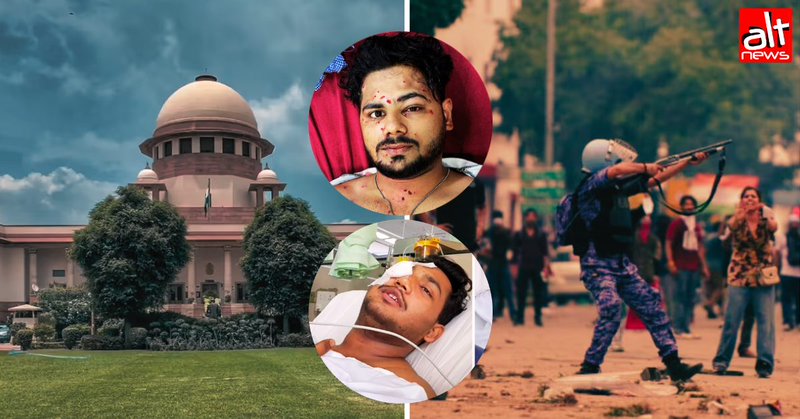

A recent General Diary (GD) recorded at Parliament Street police station indicates that an RAF officer employed anti-riot guns and plastic pellets on July 20 during protests in New Delhi, allegedly under the directions of a Delhi Police DCP. However, advocate Vrinda Grover raised concerns in the Supreme Court, asserting that the pellets discovered in victims’ bodies are metallic rather than plastic, bringing to light serious questions about the use of such force against protestors.
Protests at Jantar Mantar
The protests on July 20 at Jantar Mantar were part of ongoing civil demonstrations addressing various social and political issues in India. These protests often witness a significant police presence and interventions designed to maintain order. As tensions rise during such gatherings, law enforcement employs crowd control measures, including the use of anti-riot weapons. The GD from Parliament Street police station confirms the deployment of an RAF officer and the use of anti-riot guns, raising alarms about police tactics used in managing dissent.
The Controversy Over Pellet Guns
The most contentious aspect of the reports centers on the weapons used: pellets. While police maintained that they used plastic pellets, the assertion has been contested with grave implications. Advocate Vrinda Grover highlighted in the Supreme Court that victims were found with metallic pellets lodged in their bodies. This revelation puts the use of such force under intense scrutiny, challenging the narrative that portrays police actions as within acceptable norms. The difference between metallic and plastic pellets is crucial, as it raises ethical questions about the severity and intention behind law enforcement actions during protests.
The Role of the Judiciary
The Supreme Court’s involvement signifies the legal ramifications stemming from the clash between state power and citizen rights. The claims regarding the type of ammunition used could lead to broader discussions related to police accountability and how the state manages dissent. It highlights the judiciary’s role in ensuring that rights are protected, providing a platform for advocates to address abuses of power. The court’s decision on this matter will likely set a precedent for future instances of police engagement in protests and demonstrations across India.
Why This Matters
The implications of this incident extend far beyond the specific events of July 20. In a landscape where protests have become commonplace, the manner in which law enforcement engages with demonstrators is critical. The use of heavy-handed tactics raises alarm about the status of democratic freedoms in India. This incident could have far-reaching consequences for the relationship between civil society and law enforcement, affecting public trust in institutions. Moreover, it brings to the forefront the ongoing conversation about the balance between maintaining order and protecting human rights in a democratic society.
Frequently Asked Questions
What type of pellets were reportedly used against protesters?
Advocate Vrinda Grover stated in the Supreme Court that metallic pellets, not plastic, were found lodged in the bodies of victims from the protests on July 20.
Who ordered the use of anti-riot guns?
The General Diary registered at Parliament Street police station indicates that the orders to use anti-riot guns came from a Delhi Police Deputy Commissioner (DCP).
What are the potential legal implications of this incident?
The involvement of the Supreme Court highlights the serious legal ramifications, potentially leading to increased scrutiny of police actions and the establishment of precedents regarding the use of force during protests.
How significant are protests in this context?
Protests are an essential aspect of democratic engagement, allowing citizens to express dissent and seek change. The manner in which authorities respond can significantly affect the civic landscape, influencing future demonstrations and public sentiment towards law enforcement.