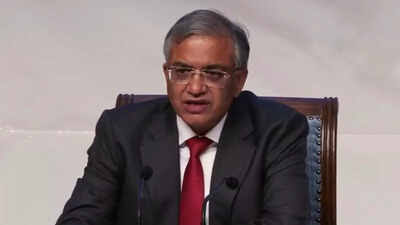
Opposition Parties Accuse Election Commission of Bias
Twenty-three opposition parties in India, including Congress, the Trinamool Congress (TMC), and the Dravida Munnetra Kazhagam (DMK), have raised serious allegations against the Election Commission of India (ECI). In a letter addressed to Chief Justice Gyanesh Kumar on June 28, the parties claimed that the ECI has shown a pattern of “brazenly biased conduct” in favor of the ruling Bharatiya Janata Party (BJP). The letter outlines concerns regarding selective enforcement of the Model Code of Conduct, the integrity of electoral processes, and the erosion of public confidence in the Commission’s independence.
Accusations of Discrimination and Electoral Manipulation
The joint letter details the grievances about the Special Intensive Revision (SIR) of electoral rolls, first implemented in Bihar. Opposition parties allege that this initiative disproportionately targets marginalized communities, including Dalits, Adivasis, and minorities, imposing strict documentation requirements that can lead to widespread disenfranchisement. They contend that the SIR has been rushed through without proper data support, thus benefiting the ruling party while undermining the voting rights of vulnerable groups.
In West Bengal, nearly 27 lakh voters have reportedly been deleted from the electoral rolls under a vague category labeled “logical discrepancies.” Investigations into tribunal proceedings have shown a high incidence of erroneous deletions, mainly affecting constituencies stronghold by the TMC. Allegations extend beyond voter deletions, with concerns raised about the deployment of 2.4 lakh Central Armed Police Forces in sensitive areas, heightening fears among opposition parties about election fairness.
Concerns Over Electoral Integrity and Trust
Further emphasizing the political dichotomy, the letter identifies significant doubts regarding the reliability of Electronic Voting Machines (EVMs) and the potential misuse of central investigative agencies like the CBI, ED, and NIA against opposition leaders. The allegation is that these tools are being weaponized to intimidate and marginalize dissenters. The opposition calls for a suspension of the SIR initiatives until elections are further away, along with a recommendation for comprehensive door-to-door verification processes.
In light of these issues, the letter underscores a growing concern about institutional failures. Opposition parties argue that continued biases within the ECI not only undermine electoral integrity but also threaten the democratic framework of the nation. They call for an open debate about electoral reforms, including a return to paper ballots, insisting that an informed electorate is crucial for a thriving democracy.
Why It Matters
The implications of these allegations extend beyond the immediate electoral context. For the AI industry and software developers, the integrity of electoral processes is pivotal for building trust in technologies such as EVMs and voter databases. If these processes are perceived as flawed or biased, it creates skepticism toward the very systems designed to ensure transparency and fairness. Developers and businesses involved in election technology may need to consider heightened scrutiny and independent audits to regain public trust. The situation also emphasizes the need for broader discourse on how technology intersects with governance, particularly in contexts where political institutions face accusations of bias and discrimination.
Frequently Asked Questions
What specific actions did the opposition parties accuse the ECI of taking?
The opposition parties accused the ECI of selectively enforcing the Model Code of Conduct, ignoring violations by BJP leaders, and conducting a rushed Special Intensive Revision (SIR) of electoral rolls that disproportionately affected marginalized communities.
What are the main concerns regarding the Special Intensive Revision?
The main concerns include the identification of illegal immigrants without sufficient data, the rushed process affecting the voting rights of Dalits, Adivasis, and minorities, and the inclusion of deceased individuals in electoral rolls, leading to significant disenfranchisement.
How do these allegations impact public trust in the electoral process?
These allegations raise significant doubts about the integrity and fairness of the electoral process, undermining public trust in the Election Commission and the democratic framework of the country.
What reforms are being proposed by the opposition parties?
The opposition parties are advocating for a suspension of the SIR exercises, door-to-door verification of electoral rolls, and a comprehensive discussion on electoral reforms, including a potential return to paper ballots to enhance transparency and reliability.