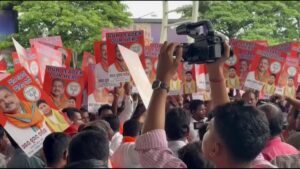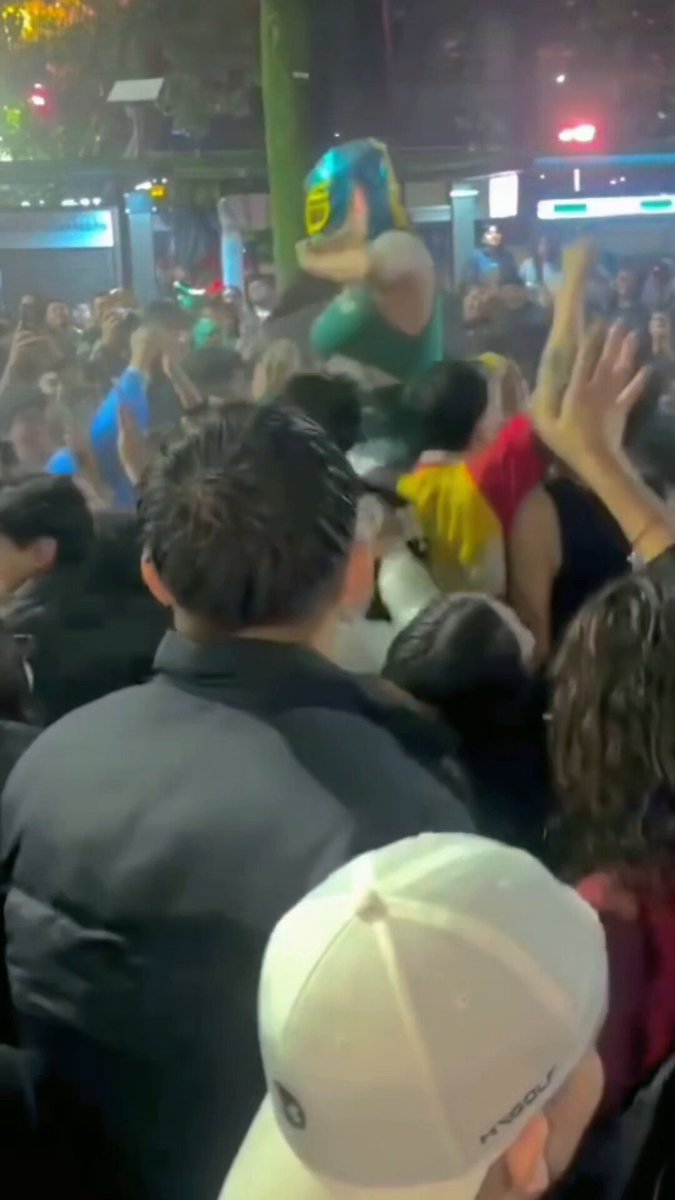

A recent video that went viral, depicting celebration scenes from the FIFA World Cup in Mexico, was falsely linked to students protesting at Delhi’s Jantar Mantar. The original context of the video has been misrepresented, causing a stir on social media regarding the behavior of protestors in India.
Context of the Viral Video
The video in question was initially circulated as footage of students dancing at a protest against paper leaks at Delhi’s Jantar Mantar. As per various reports, the celebrations are misrepresented and actually show a festive atmosphere related to the FIFA World Cup held in Mexico. The false attribution to Indian protestors has sparked outrage, with claims that the students are disrespectful and distracting from grave issues.
The Delhi Protest and Its Significance
The protest taking place at Jantar Mantar is aimed at raising awareness about serious issues like academic integrity and transparency in examination processes. Reports indicate that students have been vocal about concerns surrounding paper leaks, which not only affect their academic futures but also undermine the credibility of educational institutions. The portrayal of these protests, however, has been overshadowed by the viral video misrepresentation, leading to a skewed public perception.
Reactions and Broader Implications
Prominent commentators, including political analyst Vinay Pandit, have criticized the actions of the protestors, suggesting that their behavior diminishes their cause. In a tweet, he highlighted a perceived contradiction where students were engaging in frivolous behavior while raising serious concerns. This has sparked a debate over how protest methods can impact public sympathy and the serious nature of their demands. The backlash against the students may lead to increased scrutiny regarding protest strategies in the future.
Why This Matters
The incident speaks volumes about the intersection of social media, protest culture, and public perception in India. Misrepresentation of events can quickly tarnish reputations and divert attention from pressing issues like educational reforms. For Indian citizens, it is essential to critically evaluate the information they encounter on social platforms. The capacity for viral misinformation can warp realities and create division, impacting grassroots movements for change pivotal to the country’s future.
Frequently Asked Questions
What is the context behind the viral video?
The video was falsely claimed to be from a protest by students in Delhi. In truth, it showcases celebrations from the FIFA World Cup in Mexico, demonstrating how easily misinformation can spread.
Why are students protesting at Jantar Mantar?
Students are protesting against paper leaks in exams, advocating for accountability and transparency in the educational system, which they feel is being undermined by unethical practices.
How has social media influenced perceptions of the protest?
Social media has amplified the misrepresentation of students’ behavior, leading to public outrage and divisive opinions about the protestors and their methods. Misleading narratives can overshadow the seriousness of their demands.
What should readers take away from this event?
It’s crucial for individuals to discern the authenticity of information circulating online, especially in politically charged contexts. This incident serves as a reminder of the responsibility to critically assess the content shared on social media platforms.