
Protest Incident Highlights Religious Provocation
During a CJP protest in Kolkata, a social media user reported an unsettling incident involving an unusual delivery notification that contained religiously provocative content. The post has sparked discussion regarding social sensitivity and systemic issues affecting marginalized communities in India, particularly Muslims.
Details of the Incident
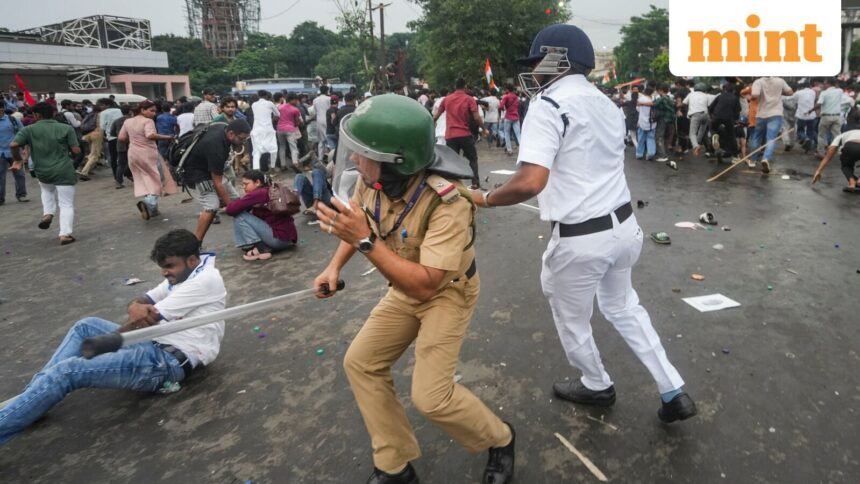
The user, who goes by the handle “sajahan_anyways,” shared on Instagram a perplexing delivery notification from Blinkit, identifying the sender as Shourjya Shikhar Betal. The notification addressed the user with the greeting “Hey Mullah” and mentioned an order for a pack of pork bacon, with the delivery point explicitly near the protest site at Sealdah, Raja Bazar, Kolkata. This location is significant as it was surrounded by activists demonstrating against current socio-political policies, drawing a diverse crowd including Left-affiliated student organizations like SFI, AISA, and PDSF.
The Implications for Gig Workers
In a critical tone, the user highlighted the implications of this delivery for the gig worker involved, named Mohammed. The post pointed out the logistical burdens and potential safety hazards the worker faced, emphasizing the adverse economic climate exacerbated by rising fuel costs and overall financial instability. The user’s narrative criticizes how current governance disproportionately affects gig workers, exacerbating their vulnerabilities. The commentary on the COD (cash on delivery) aspect of the order raises ethical questions regarding the responsibilities of individuals when using these gig platforms for potentially harmful provocations.
A Broader Commentary on Discrimination
The incident has been interpreted as not just an individual act but as reflective of a broader societal malaise characterized by media-driven Islamophobia in India. The user conveyed a message of empathy rather than hatred towards the sender, suggesting that the actions stem from personal discontent. This perspective calls attention to a cycle of marginalization that perpetuates discrimination against Muslims, particularly in the current socio-political landscape under the BJP and Sangh Parivar. The sentiment expressed in the post is one of urging compassion and understanding, proposing a future where people stand against injustices collectively regardless of their backgrounds.
Why It Matters
This incident raises critical questions about the intersection of digital platforms and societal behavior. It underscores the potential for social media and delivery services to sometimes facilitate acts of discrimination inadvertently. For tech companies like Blinkit, understanding the potential misuse of their platforms becomes essential. Developers need to consider implementing measures that can prevent hate speech and harassment through their applications while also promoting responsible usage among users. The matter extends beyond individual incidents, touching on broader changes required in the industry to foster a more inclusive environment for all communities.
Frequently Asked Questions
What does the incident reveal about social dynamics in India?
The incident highlights rising tensions and discrimination against Muslims in India, exacerbated by socio-political narratives and individual acts fueled by media-driven biases.
What are the concerns regarding gig workers in this context?
Gig workers often face precarious working conditions, and this incident illustrates how unsafe deliveries and socio-political issues add layers of risk and economic burden on these individuals, deserving greater attention and protection.
How can platforms like Blinkit improve to prevent misuse?
Platforms can enhance their policies to monitor interactions and content, implement stronger user identification methods, and promote a culture of reporting hate speech to safeguard against harassment and discrimination.
What kind of reforms are needed in Indian society to address discrimination?
Broad societal reforms are necessary to combat prejudicial attitudes, promote education around tolerance, and foster dialogue among diverse communities to mitigate discrimination against marginalized groups.