
Summary
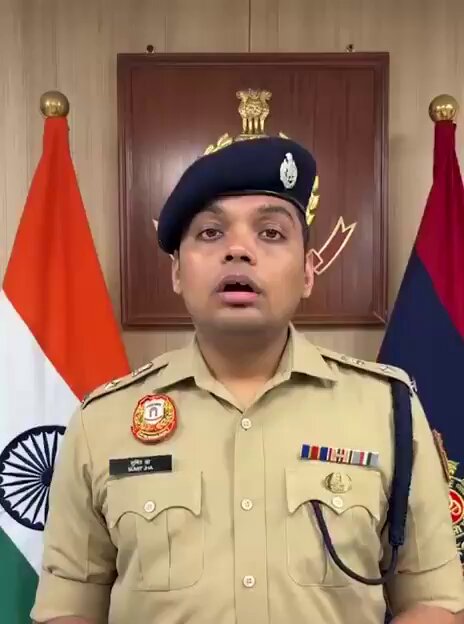
Delhi Police has identified 480 social media handles based in Pakistan that are purportedly involved in coordinated misinformation campaigns, similar to those observed during Operation Sindoor. There is a call for transparency, as many, including reporters, are requesting the release of the list of these handles to help individuals in India avoid falling victim to misinformation.
Context of Misinformation Campaigns
Misinformation has emerged as a significant concern in today’s digital age, especially in politically sensitive regions like India and Pakistan. The Delhi Police’s claim of uncovering 480 Pakistani handles highlights an ongoing threat to information integrity in India. These accounts are suspected of disseminating false information or propaganda with the aim of influencing public opinion, creating discord, or undermining trust in legitimate narratives. During Operation Sindoor, which was a campaign aimed at countering such misinformation, these handles were reportedly active, suggesting a deliberate strategy behind their operations.
Understanding the mechanics of misinformation is crucial for the general public. Social media platforms can amplify falsehoods quickly due to algorithms that favor sensational content. This makes it imperative for users, particularly younger generations, to be discerning about the information they engage with online. The Delhi Police’s claims of identifying these handles underscore a broader concern regarding digital literacy and awareness in an emotionally charged media landscape.
The Need for Transparency
The appeal for the Delhi Police to publicly share the list of these 480 handles reflects a growing demand for accountability in law enforcement agencies. Transparency in identifying sources of misinformation is essential for the public to safeguard themselves against deceptive narratives. Many advocates argue that withholding such information restricts the ability of citizens to make informed decisions and can exacerbate the problem of misinformation.
The fact that even reporters have been unable to obtain this list raises questions about administrative transparency and the relationship between media and law enforcement in India. If the intent is to help the public remain vigilant against misinformation, then keeping this information under wraps seems counterproductive. By sharing details about these handles, the Delhi Police could empower internet users to recognize and avoid propaganda effectively.
Political Implications
The identification of Pakistani-based misinformation campaigns has profound implications for Indian politics and national security. As tensions between India and Pakistan persist, the reliance on digital platforms for communication and discourse makes these channels critical battlegrounds for public opinion.
When misinformation campaigns go unchecked, they can distort public perceptions and influence electoral processes. This is especially relevant in a time when social media platforms play pivotal roles in political engagement, particularly among younger voters. By equipping the populace with knowledge about potentially misleading sources, there is a chance to foster a more informed and engaged electorate.
Furthermore, this situation raises broader issues of cybersecurity and international relations. Understanding the extent and impact of foreign interference on domestic narratives is vital for policy-making. The government must take proactive measures to mitigate risks associated with these digital threats and ensure that the public is not left vulnerable to foreign propaganda.
Why This Matters
The stakes of misinformation and propaganda in India are exceptionally high. Given the youth-driven nature of information consumption on social media, ensuring that the next generation is adequately informed is essential for the health of the democracy. Without proactive measures, there is a risk of further polarizing the public and fostering discord.
The conversation around transparency emphasizes the role of government in protecting civil liberties while ensuring national security. Increased awareness around the mechanisms of misinformation and the need for resilience against it is crucial for maintaining a functioning democratic process.
Frequently Asked Questions
What are misinformation campaigns?
Misinformation campaigns refer to organized efforts to spread false or misleading information, often with the intent to manipulate public perception or incite discord.
Why is it important to know about these Pakistani handles?
Being aware of these handles can help individuals critically assess the information they encounter online, thus reducing the chances of being misled by propaganda.
How does misinformation affect politics in India?
Misinformation can distort public opinion, influence election outcomes, and exacerbate social tensions, making it a significant threat to India’s democratic fabric.
What steps can individuals take to avoid falling for propaganda?
Individuals can verify information through multiple reliable sources, engage with content critically, and be cautious of sensational headlines or unverified claims on social media.