
Summary
On December 6, 2022, various Muslim groups in India commemorated the 30th anniversary of the Babri Masjid demolition, an event that led to significant civil unrest and loss of life. The day, known as Black Day, was marked by social media campaigns and public statements condemning the actions taken during the demolition and calling for justice.
Historical Context of the Demolition
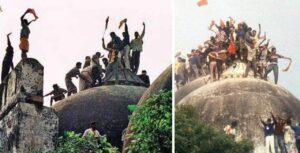
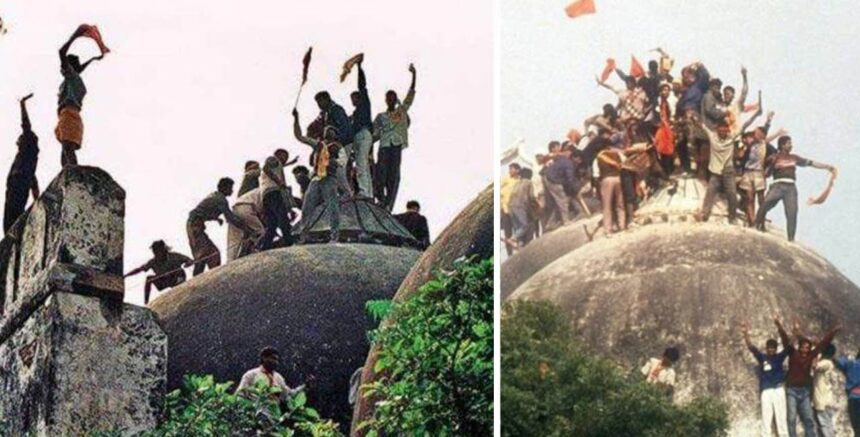
The Babri Masjid, constructed in the 16th century, stood as a significant historical and religious site for Muslims in India. On December 6, 1992, a large group of Hindu nationalists, claiming the mosque was built on the birthplace of Lord Ram, gathered in Ayodhya, ultimately leading to the mosque’s demolition. This event triggered widespread communal violence across India, resulting in the deaths of nearly 2,000 individuals, primarily Muslims. The aftermath of the demolition not only highlighted sectarian tensions in India but also prompted significant political changes, with Hindu nationalist rhetoric gaining traction in Indian politics.
Reactions and Commemorative Actions
As Muslim communities observed the anniversary, hashtags such as #BabriMasjid and #BabriZindaHai trended on social media, serving as platforms for expressing grief and condemnation. Political leaders and commentators shared statements reflecting on the violence and the need for justice. Barrister Asaduddin Owaisi tweeted, emphasizing the fight for legal rights rather than territorial claims, asserting, “We do not seek charity; give us what is rightfully ours.” Other social media users condemned the demolition as an act of terrorism, demanding recognition of the sacrifices made by the victims. Additionally, the Foreign Office of Pakistan released a statement calling attention to the tragedy, reiterating the demand for the reconstruction of the mosque at its original site.
Current Political Landscape
In recent years, the ruling party in India, led by the Bharatiya Janata Party (BJP), has initiated the construction of a Hindu temple at the site where Babri Masjid once stood, following a Supreme Court ruling in 2019. This decision has been interpreted by some as an endorsement of Hindu nationalist goals, potentially exacerbating tensions between religious communities. Prime Minister Narendra Modi laid the foundation for the temple, an act viewed as fulfilling promises made to the party’s base. The juxtaposition of this development against the backdrop of the mosque’s demolition underscores ongoing religious polarization in contemporary India.
Why This Matters
The Babri Masjid demolition and the events surrounding it are pivotal in understanding India’s sociopolitical landscape today. It reflects not only the historical struggles between communities but also the ongoing challenges regarding religious freedom, minority rights, and the nature of secularism in a multi-religious country. The commemoration of Black Day serves as a reminder of these unresolved issues, shaping discussions about the future of communal harmony and the direction of Indian democracy.
Frequently Asked Questions
What is the historical significance of Babri Masjid?
The Babri Masjid was a 16th-century mosque in Ayodhya, claimed by many Hindus to be built on the birthplace of Lord Ram. Its demolition in 1992 was a pivotal event in India’s communal history, reflecting ongoing Hindu-Muslim tensions.
What were the immediate consequences of the demolition?
The demolition led to widespread riots across India, resulting in the deaths of approximately 2,000 people, predominantly Muslims. It also impacted political landscapes, boosting the influence of Hindu nationalist parties.
How has the construction of a temple on the site affected community relations?
The construction of a temple at the site of the demolished mosque has intensified communal tensions and is viewed by many as a symbol of Hindu nationalism, potentially alienating minority communities in India.
What actions are being advocated by Muslim groups on Black Day?
On Black Day, Muslim groups advocate for justice regarding the Babri Masjid demolition, push for legal recognition of their rights, and call for the reconstruction of the mosque at its original site, emphasizing the need for interfaith reconciliation.