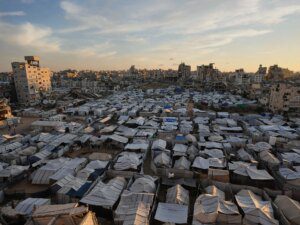
Yemen is currently facing a humanitarian crisis as over 200,000 people have been displaced due to intensified conflicts, marking a significant escalation in violence following a brief period of relative calm. The International Organization for Migration (IOM) has raised alarming concerns about the dire situation, with severe food and shelter needs emerging amidst the renewed fighting.
Escalating Humanitarian Crisis
The IOM reported that the number of displaced individuals surged from 76,000 in mid-September to more than 200,000, underscoring how rapidly the situation has deteriorated. IOM Director General Amy Pope emphasized the urgency of the crisis, stating, “People are running for their lives and finding nowhere safe to go.” The ongoing conflict, which has escalated since the UN-brokered truce of 2022, is seeing a resurgence of violence largely attributed to the Iran-backed Houthi movement’s aggressive territorial gains in Yemen.
Territorial Gains and Military Actions
The Houthis have fortified their control over northern Yemen, including the capital city, Sanaa, and have expanded their influence by capturing the entire Red Sea coast from Saudi-backed forces. This strategic gain enables them greater maritime power while challenging the internationally recognized Yemeni government based in Aden. In response to these developments, Rashad al-Alimi, chairman of Yemen’s Presidential Leadership Council, called for an offensive aimed at reclaiming the territories held by the Houthis, including the capital, which has remained under their control since 2014.
Impact on Civilians and Humanitarian Needs
The consequences of this renewed conflict have been catastrophic for civilians. The IOM reported that the southwestern governorate of Taiz has faced the brunt of these displacements. Some 3,700 people have attempted to flee to Djibouti by sea, highlighting the desperate measures taken by families seeking safety. Additionally, the UN World Food Programme has painted a grim picture, revealing that three out of four families in parts of Yemen are experiencing severe food shortages due to the “absolutely devastating” impact of ongoing hostilities. This has raised urgent calls for increased international support and funding to address the overwhelming needs for food and shelter.
What This Means
For Indian readers, the situation in Yemen highlights the intricate complexities of geopolitical conflicts and their humanitarian repercussions. India has a historical connection with Yemen, home to a significant Indian diaspora, and a vested interest in regional stability. The surge in violence could lead to increased migration waves, potentially affecting neighboring regions and influencing global oil prices, an area of critical concern for India. Furthermore, the humanitarian crisis may prompt a need for India to elevate its diplomatic engagement in the region and contribute to international relief efforts, thereby reinforcing its role as a key player in South Asian and Middle Eastern diplomacy.
Frequently Asked Questions
What caused the recent escalation of conflict in Yemen?
The recent escalation in conflict is primarily due to the Houthi movement gaining substantial territorial control, including the Red Sea coast, prompting military responses from the Yemeni government.
How many people have been displaced due to the fighting?
More than 200,000 people have been displaced from their homes as of the latest reports, with the figure rising significantly in recent weeks.
What are the humanitarian needs in Yemen currently?
The ongoing crisis has led to soaring needs for food and shelter, with reports indicating that three out of four families in parts of Yemen are going hungry.
What role does India play in the Yemen crisis?
India has historical ties with Yemen, and it may need to enhance its diplomatic efforts and humanitarian aid contributions as the situation progresses.