
Summary
The United Muslim Forum (UMF) has come forward in support of a nationwide student and youth movement demanding substantial reforms in India’s educational system. The Forum condemned the alleged police violence against peaceful protesters in New Delhi and criticized the government’s educational policies as detrimental to students and society at large.
UMF’s Stance on Educational Reforms
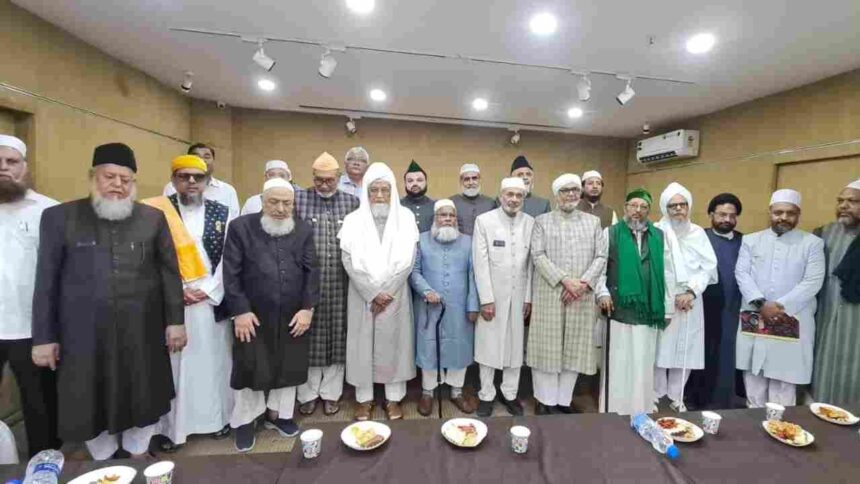
In a recent joint statement, senior leaders of the United Muslim Forum, including President Maulana Mufti Syed Sadiq Mohiuddin Faheem, voiced their concerns regarding the current state of India’s education policies. They expressed disappointment over the Centre’s handling of educational reforms, arguing that recent developments have led to a significant weakening of the educational framework across the nation.
The Forum highlighted ongoing examination irregularities, including the alarming prevalence of question paper leaks, which they claim have severely impacted students. These issues, combined with changes to educational policies and curricula, have diminished public trust in the system, they asserted. The UMF’s complaint echoes a broader discontent among various student groups who feel marginalized by ineffective governance.
Response to Police Action at Jantar Mantar
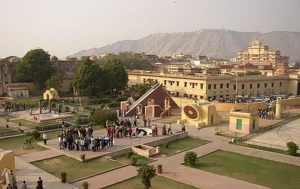
The Forum also condemned the alleged use of excessive force by the Delhi Police against demonstrators taking part in a protest organized under the banner of the Cockroach Janta Party at Jantar Mantar. They characterized the police action as an infringement on the democratic right to peaceful assembly, emphasizing the importance of protecting this fundamental freedom.
The UMF’s criticism of the police’s approach reflects broader concerns regarding the treatment of dissenting voices during a time of significant political tension in India. Protests have become increasingly common as various sections of society express grievances over a range of issues, including employment, education, and social equity. The Forum’s solidarity with the protesters indicates a continuing fight for civil rights amid rising discontent.
Broader Social and Political Context
In its statements, the United Muslim Forum did not just limit criticism to education-related issues. They pointed out a pervasive atmosphere of unemployment, corruption, economic challenges, and social divisions that have intensified in recent years. The Forum accused the government of employing communal politics as a distraction from these pressing issues, alleging that such tactics serve to further marginalize vulnerable communities, including Muslims.
The UMF referenced the anti-CAA protests of 2020, urging citizens across all communities to remain vigilant and united. They call for a collective effort to uphold constitutional values that foster justice and communal harmony. This appeal highlights the Forum’s role as an advocate for social cohesion, particularly among marginalized groups facing economic and political exclusion.
Why It Matters
The situation described by the United Muslim Forum serves as a critical lens through which to understand the intersection of education, civil rights, and communal relations in contemporary India. By highlighting the systemic issues that affect various communities, particularly Muslims, the Forum underscores the implications of policy decisions at the highest levels of government. Tensions between social equality and political narratives raise questions about the inclusivity of Indian civil society. The debates around educational policies, protests, and police conduct frame a significant discourse about the future of democratic governance in India. For developers and AI industry stakeholders, understanding these dynamics can be vital for creating tools and technologies that promote equity and address social issues.
Frequently Asked Questions
What is the United Muslim Forum (UMF)?
The United Muslim Forum (UMF) is a collective of Muslim leaders and organizations in India that advocate for the rights and interests of the Muslim community, focusing on social justice, educational reforms, and civil rights.
What were the recent protests at Jantar Mantar about?
The protests at Jantar Mantar were organized to advocate for reforms in India’s education system. Demonstrators aimed to raise awareness about examination irregularities and other educational concerns.
Why did the UMF criticize the Delhi Police?
The UMF criticized the Delhi Police for allegedly using excessive force against peaceful protesters, which they view as an attack on the democratic right to free assembly and expression.
What broader issues did the UMF highlight aside from education?
In addition to educational reforms, the UMF highlighted issues of unemployment, corruption, economic challenges, and social divisions as significant concerns that have burdened various communities in India.