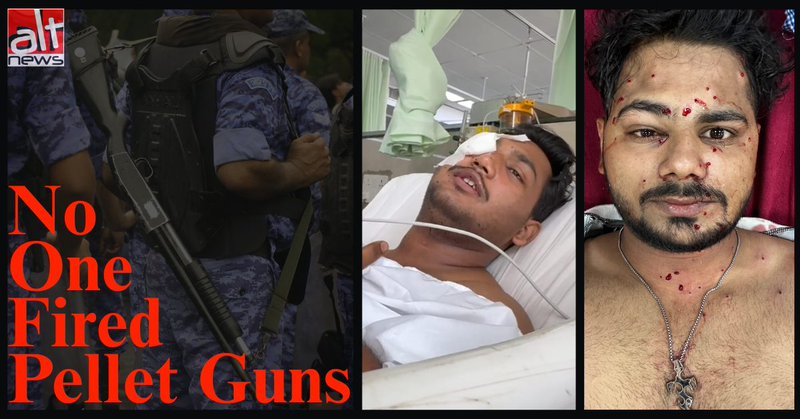

The recent visit of Union Health Minister J P Nadda to meet 25-year-old Irshad Mansoori in Delhi highlights the ongoing issue of pellet gun injuries in the region. Mansoori is currently hospitalized with severe pellet injuries to his face and neck, raising questions about the government’s awareness and response to such incidents.
Context of the Incident
Irshad Mansoori sustained serious injuries from pellets that were lodged near critical blood vessels in his neck, even after undergoing surgery on July 21. This incident underscores the severity of injuries being inflicted by pellet guns, which have been used in various protests and civil disturbances across India, particularly in conflict zones like Jammu and Kashmir. The meeting between Nadda and Mansoori was seen as a poignant moment but raises significant concerns regarding the recurring use of pellet guns by law enforcement officials.
Government Response and Accountability
Officials at Lady Hardinge Hospital confirmed the gravity of Mansoori’s condition, which includes a pellet still embedded near a major blood vessel. Despite the government’s known awareness of pellet gun victims in Delhi hospitals, the official narrative has often denied the use of such weapons in urban protests. This discrepancy has led to widespread criticism and demands for accountability. Advocates argue that the use of pellet guns is an excessive form of crowd control that needs to be reevaluated in light of its humanitarian implications.
The Health Infrastructure’s Role
Mansoori’s case also brings to the forefront the challenges faced by the Indian health infrastructure in dealing with critical injuries resulting from violence. The capacity of hospitals to treat such injuries is crucial, especially when incidents are politically charged. While the hospital staff has handled Mansoori’s case with diligence, the larger question remains: how prepared are healthcare facilities across the nation to respond adequately to similar crises?
Why This Matters
The political significance of Irshad Mansoori’s case extends beyond individual suffering; it reflects broader issues regarding governance, human rights, and public safety in India. The use of pellet guns has already attracted international scrutiny and condemnation, impacting India’s image as a democratic nation committed to upholding human rights. The treatment of pellet gun victims raises important questions about ethical governance and the responsibilities of law enforcement agencies. How the government addresses this matter could influence public sentiment and trust, especially among young citizens who are increasingly vocal about their rights.
Frequently Asked Questions
What are pellet guns, and why are they used by law enforcement?
Pellet guns are firearms that shoot small projectiles, often used for crowd control and to minimize fatalities during protests. However, they have been criticized for causing severe injuries.
What has been the response from human rights organizations regarding pellet gun usage?
Human rights organizations have condemned the use of pellet guns, arguing they are inhumane and calling for their prohibition. They emphasize the need to find alternative, less harmful methods for crowd control.
What is the current status of Irshad Mansoori’s health?
As of the latest updates, Irshad Mansoori remains hospitalized with serious injuries, including a pellet lodged near a vital blood vessel in his neck, which poses significant health risks.
How has the government reacted to incidents involving pellet gun injuries?
The government has often denied the use of pellet guns in urban protests, despite evidence to the contrary. This has led to public backlash and demands for greater transparency and accountability.