
Summary
A recent incident has highlighted the deepening trust issues between the media and the public in India. A victim of police brutality has urged journalists to report the truth, critiquing media outlets for their biased coverage that often favors police narratives over the plight of the citizens.
Context of the Incident
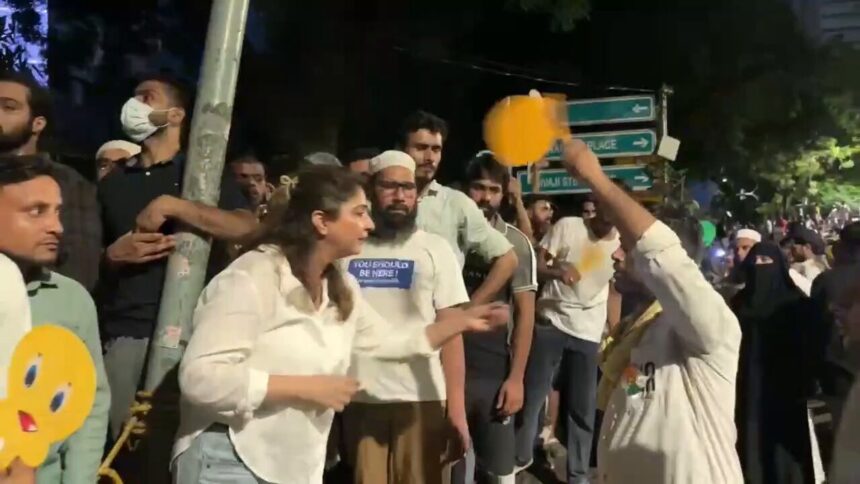
On the 20th of this month, during a public protest, a man was brutally assaulted by law enforcement. This incident drew the victim’s direct appeal to the media, specifically asking for “Saccha News dikhana please” (Please show the true news). This statement is emblematic of the growing frustration with how certain media outlets portray events, primarily focusing on police narratives instead of giving equal attention to the experiences of civilians affected by state violence.
Media Coverage Critique
Prominent journalist Mohammed Zubair remarked on social media how news agencies such as ANI and IANS have focused their reporting on injuries sustained by police officers during the protests, neglecting the serious injuries inflicted on the protestors themselves. This disparity raises concerns about the integrity of journalism, wherein narratives are shaped to skew public perception and possibly shield law enforcement from scrutiny. Such selective reporting not only misinforms the public but also erodes trust in journalistic institutions.
Public Sentiment and Distrust
The incident and Zubair’s comments collectively reflect a significant undercurrent of distrust in the media among the Indian public. When victims feel the need to directly implore journalists to showcase their trauma, it underscores a critical failure of the media to adequately represent the democratic fabric of society. This disconnect is exacerbated by the ongoing tension between citizens and the state, particularly during moments of civil unrest. The call for authentic reporting serves as a poignant reminder for journalists to hold power accountable rather than merely act as its mouthpiece.
Why This Matters
The dynamics between media, the state, and citizens play a crucial role in a democratic society, particularly in a country as diverse as India. As political tensions escalate, the demand for unbiased and truthful reporting becomes paramount. When protestors publicly contest the narratives propagated by mainstream media, it serves as both a warning and an urgent call to action for journalists. The failure to provide balanced perspectives not only threatens the credibility of the media but also endangers the fabric of democratic discourse in India. Responsible journalism is essential for maintaining accountability and fostering trust within society, especially during times of crisis.
Frequently Asked Questions
What triggered the victim’s plea to journalists?
The victim was brutalized during a protest and felt that media outlets were primarily reporting on police injuries rather than the suffering of civilians. This prompted him to directly appeal to journalists for more balanced reporting.
How have major news agencies responded to incidents like this?
Major news agencies such as ANI and IANS have been criticized for focusing predominantly on police narratives, which has led to accusations of biased reporting and a lack of coverage regarding civilian injuries during protests.
What are the implications of biased media coverage?
Biased coverage can lead to a significant erosion of public trust in journalism, challenge democratic processes, and misinform the public regarding critical issues, particularly those involving state violence against civilians.
How can the media regain public trust?
The media can regain public trust by committing to balanced reporting, prioritizing facts over narratives that favor any party, and actively listening to marginalized voices. Transparency in reporting practices is also crucial for rebuilding credibility.