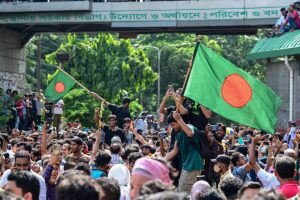
Danish Kaneria, a prominent figure, has expressed concern over the nature of protests in India, suggesting that they follow a repetitive and aggressive pattern without constructive dialogue or solutions. He criticizes the lack of fact verification before actions are taken, framing the situation as a chaotic circus that could hinder national progress.
Protests in India: A Pattern of Aggression
In his observation, Kaneria identifies a recurring script in Indian protests, which he argues is characterized by slogans targeting revered figures and sentiments. He lists actions such as the abuse of Lord Ram, Bharat Mata, and Prime Minister Modi, as well as impugning members of the Brahmin community. This systematic criticism creates a sense of discord that Kaneria believes obstructs meaningful discussion on pressing issues. His assertion reflects a broader sentiment among some observers that political discourse in India has devolved into personal attacks rather than focusing on policy solutions.
Political Landscape and Opposition Strategies
The political environment in India is often marked by robust opposition movements, which can sometimes prioritize visibility over substantive dialogue. Kaneria posits that the opposition is operating under the delusion of replicating a Nepal-like political upheaval, implying they may be rallying without clear strategy or viable alternatives to the ruling government’s policies. This perspective is fueled by rising tensions between the government and various farming communities, where the latter threaten disruptions without fully grasping the implications or potential negotiations at play. The ongoing struggle reflects deeply rooted divisions amidst India’s diverse socio-political fabric.
The Role of Media and Public Perception
The media serves as a double-edged sword in this context. On one hand, it amplifies the voices of protesters, bringing attention to their grievances. On the other, quick media cycles can sensationalize themes of chaos and unrest, potentially alienating the broader public from engaging with complex socio-political issues. Kaneria’s critique underscores the danger of relying on emotive slogans rather than fostering environments where citizens can understand and debate differing viewpoints. In a nation as large and varied as India, meaningful dialogue is crucial for progress, yet is often overshadowed by noise.
Why This Matters
Understanding the nature of protests and public response in India is vital for grasping contemporary Indian politics. The ease with which narratives of division play out in the media and popular discourse can have significant implications for governance and policy-making. By recognizing the patterns Kaneria describes, citizens and political leaders alike may begin to explore more constructive forms of engagement, potentially paving the way for a more stable political climate conducive to progress.
Frequently Asked Questions
What are the main points in Danish Kaneria’s critique of Indian protests?
Danish Kaneria highlights a repetitive pattern of aggressive slogans targeting revered figures in Hinduism, such as Lord Ram and Bharat Mata, as well as Prime Minister Modi. He expresses concern over the lack of meaningful dialogue and constructive solutions during protests.
How does Kaneria view the role of the opposition in these protests?
Kaneria suggests that the opposition is misguided in its approach by trying to create a political situation similar to Nepal’s. He implies that instead of offering solutions, they are perpetuating chaos through slogans and confrontations.
What concerns does Kaneria raise about the implications of such protests?
He argues that the chaotic nature of protests could hinder national progress, with people rushing to protest without verifying facts first. He describes the situation as a circus, indicating a lack of seriousness regarding important political discourse.
Why is dialogue important in the context of Indian politics?
Meaningful dialogue is essential in addressing the diverse and complex issues faced by the nation. It allows for constructive engagement, which can lead to solutions that benefit all citizens, rather than perpetuating division and unrest.





![Community members raise their arms during a gratitude poem at a supper in Westbrook, Maine, in July 2025 [Courtesy of Community Plate]](https://www.indianewsweek.com/wp-content/uploads/2026/09/Potluck-Parties-Surge-in-Popularity-Across-America-A-Culinary-Revival-300x203.jpeg)