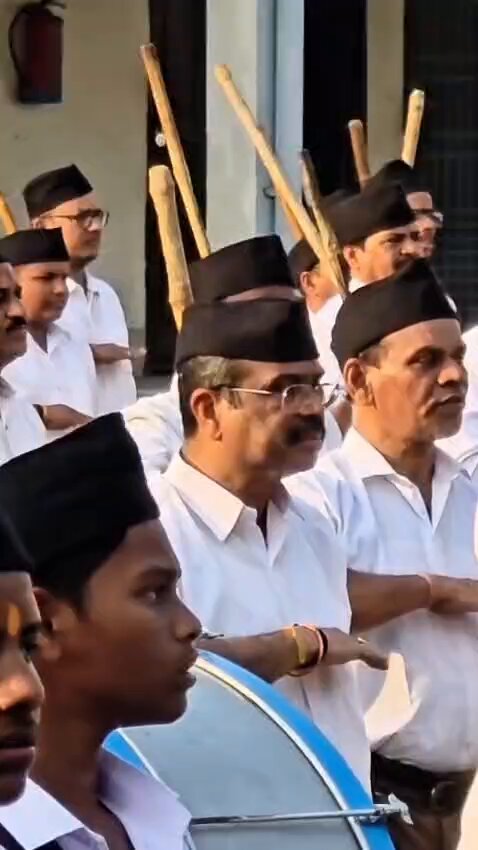

Union Education Minister Dharmendra Pradhan continues in his role, evident from his participation in various public events, including a recent march commemorating the centenary of the Rashtriya Swayamsevak Sangh (RSS). His ongoing presence in this ministerial position reflects the government’s strategy in education and national identity, demonstrating the political weight he holds within the current administration.
Political Context of Dharmendra Pradhan’s Role
Dharmendra Pradhan has been serving as India’s Union Minister for Education since July 2021, under the leadership of Prime Minister Narendra Modi. His tenure is significant, especially as the education sector faces a multitude of challenges, from curriculum reforms to addressing the effects of the pandemic on learning outcomes. The March event in Sambalpur was not merely a celebration but also a strategic move to reinforce his connection with grassroots organizations like the RSS, which have substantial influence in shaping educational policies and ideologies in India.
Connection with the Rashtriya Swayamsevak Sangh
The Rashtriya Swayamsevak Sangh plays a pivotal role in the political landscape of India, often seen as the ideological backbone of the ruling Bharatiya Janata Party (BJP). Pradhan’s participation in the centenary march highlights a concerted effort to align educational narratives with the values promoted by the RSS. This event serves as a platform to underscore the importance of cultural nationalism in shaping educational policies, potentially steering them toward a more traditionalist approach. Such alignment is crucial for maintaining the support of the BJP’s base while also appealing to a broader audience that values India’s cultural heritage.
Implications for Educational Reforms
As Education Minister, Pradhan has emphasized the need for innovative educational reforms. His continued leadership suggests that the government may pursue policies that intertwine modern educational strategies with traditional values advocated by organizations like the RSS. The focus appears to be on creating a curriculum that promotes not just academic excellence but also a sense of national identity. This dual approach could face challenges, particularly from liberal educators and reformists who may perceive such policies as limiting academic freedom and inclusivity in the educational sector.
Why This Matters
For Indian readers, the significance of Dharmendra Pradhan’s ongoing role as Education Minister lies in the intersection of education, politics, and national identity. His actions and strategies could shape the educational landscape for future generations. The ties between the government and ideological organizations indicate a deliberate attempt to influence how education reflects national values, which can lead to both opportunities and contentious debates about the direction of Indian education.
Frequently Asked Questions
Why is Dharmendra Pradhan still the Education Minister?
His ongoing involvement in significant events and the government’s reliance on his leadership during critical educational reforms contribute to his stable position in the cabinet.
What role does the RSS play in Indian education policies?
The RSS helps shape ideology and curricula aligned with its vision of cultural nationalism and has a considerable influence on the BJP’s educational strategies.
What challenges does Pradhan face as Education Minister?
He must navigate balancing traditional values with modern educational needs, addressing the impacts of the pandemic on learning outcomes, and responding to diverse opinions within the education sector.
How does the current government view education?
The government’s approach emphasizes integrating cultural heritage with modern educational practices, aiming to foster a sense of national identity alongside academic success.