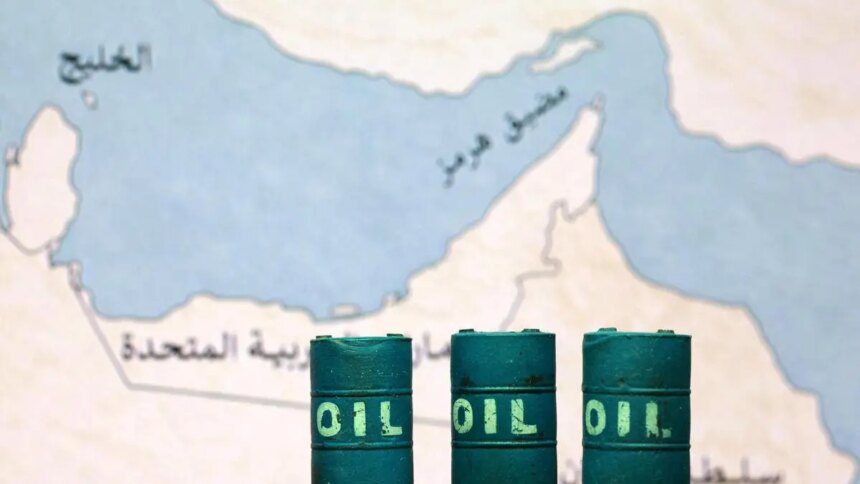

US companies have signed agreements worth approximately USD 60 billion with the Iraqi government, focusing on creating alternative oil shipping routes amid ongoing tensions in the Persian Gulf. These agreements encompass various sectors, including healthcare and infrastructure, signifying a shift in Iraq’s economic partnership with the US.
Strategic Agreements Signed for Oil Export Alternatives
In a significant move, US companies entered into various agreements with Iraq on a Friday, with a total value nearing USD 60 billion. The primary focus of these deals is to establish alternative routes for oil exports, circumventing the highly strategic and increasingly vulnerable Strait of Hormuz. This waterway is crucial for global oil transportation, with approximately one-fifth of the world’s oil flowing through it.
Among the signatories was Chevron, which inked three key agreements. These include investments aimed at increasing oil production and developing new pipeline projects that would enable Iraq to connect more efficiently with global markets. US Ambassador to Turkey, Thomas Barrack, emphasized that these initiatives are set to make the Strait of Hormuz “an afterthought” for Iraqi oil exports.
The Broader Economic Context
The agreements are not limited to oil-related projects; they encompass various sectors including healthcare and communications, indicating a strategic recalibration in Iraq’s economic partnerships. Iraqi Prime Minister Ali Falah al-Zaidi has been vocal about seeking long-term investments rather than temporary contracts, stressing the need for comprehensive partnerships that can support Iraq’s broader economic goals.
This move comes at a time when Iraq is simultaneously managing a complex political landscape, influenced heavily by the ongoing US-Iran tensions which have disrupted conventional oil export routes. Goldman Sachs analysts have indicated that pipeline developments across multiple nations could transform the oil export framework in the region by the end of the decade.
Impact of Pipeline Projects on Regional Stability
The prospect of establishing new pipelines emerges as Iraq wishes to mitigate risks associated with the Strait of Hormuz. Previously, oil-rich Iraq aligned with both Iran and the US, but the current geopolitical context poses a challenge. Analysts estimate that by 2028, up to 60% of oil currently passing through Hormuz could flow through new pipelines.
The ongoing military conflict, especially since February 28, has led to fluctuating oil prices, which are critical for both global and Indian markets. The price of West Texas crude, for instance, spiked nearly 5% shortly after the agreements were announced. With geopolitical tensions changing rapidly, oil prices may continue to remain volatile.
What This Means
For Indian investors and businesses, the unfolding developments in Iraq carry substantial implications. As India is one of the largest importers of oil, any shift in supply dynamics or pricing can significantly impact energy costs in the country. The establishment of alternative routes for Iraq’s oil could result in a more stable supply chain, thereby influencing India’s energy security. Furthermore, if Iraqi oil exports increase through new channels, it could help cushion the Indian economy from shocks arising from disruptions in the Strait of Hormuz.
Frequently Asked Questions
What are the key agreements signed between US companies and Iraq?
US companies signed agreements worth roughly USD 60 billion with Iraq, focusing on alternative oil export routes, healthcare, infrastructure, and communication projects.
How will the new pipelines affect oil transportation?
The new pipelines aim to enable Iraq to bypass the Strait of Hormuz, which could lead to a more efficient and secure oil export framework, potentially reducing dependency on this strategic waterway.
What is the current state of oil prices post-agreements?
Following the agreements, West Texas crude oil prices rose nearly 5%, reflecting the ongoing volatility in oil markets triggered by geopolitical tensions and supply chain concerns.
Why is the Strait of Hormuz significant for global oil supply?
The Strait of Hormuz is a critical chokepoint for oil transportation, through which about 20% of the world’s oil supply is shipped, making it essential for global energy security.