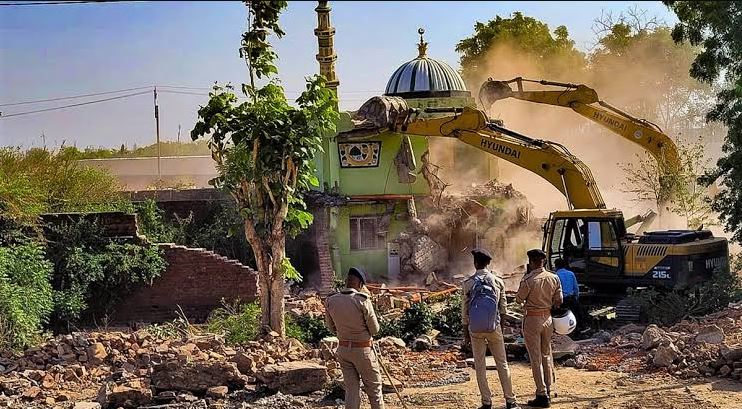

Summary of Events in Deoband
The administration of Saharanpur, Uttar Pradesh, has issued demolition notices for six mosques in Deoband, citing alleged encroachment on government land. This action, which targets religious structures that have served local communities for decades, has incited fear and concern among residents, highlighting ongoing tensions surrounding minority rights in India.
Legal Actions Against Religious Structures
The Saharanpur administration’s decision follows a survey that identified 11 religious structures, including mosques, madrasas, and mazars, allegedly constructed on government property. Official notices have been issued to six mosques, with five additional structures under review. Authorities have mandated that these structures be removed within 15 days, warning that failure to comply could lead to governmental seizure of the land.
This legal action raises questions about state intervention in religious practices and the potential infringement on the rights of Muslim communities. Many residents argue that these structures have historical significance and serve vital community needs, including education and spiritual gatherings.
Community Response and Social Implications
In response to the demolition notices, Muslim residents have expressed their discontent, highlighting the longstanding role these religious structures play in their daily lives. Community leaders advocate for a balanced solution that respects both statutory regulations and the religious sentiments of the individuals affected.
The uproar surrounding this decision reflects broader trends of marginalization experienced by minority groups in India, particularly in the context of the ruling Bharatiya Janata Party (BJP) and affiliated organizations. Critics have raised concerns over a pattern of discriminatory practices and policies that disproportionately affect the Muslim population, fostering an environment of distrust and social exclusion.
Political Context and Broader Trends
Since the BJP came to power, there has been a noticeable increase in actions that critics characterize as anti-Muslim, ranging from legal actions to social exclusions. This incident in Deoband exemplifies the ongoing struggles faced by minority communities in a political atmosphere increasingly dominated by majoritarian narratives.
Political commentators argue that such measures can undermine community cohesiveness and provoke social unrest. The demolition of mosques, often perceived not just as legal actions but as symbolic assaults on religious identity, contributes to a growing sense of vulnerability among Indian Muslims, thereby complicating already tense inter-community relations.
Why It Matters
The situation in Deoband symbolizes larger national trends in India regarding religious freedom and minority rights. As government actions continue to raise eyebrows internationally, understanding the implications of these practices is crucial for global audiences. The actions against the mosques are not isolated incidents but reflect systemic issues in the treatment of minorities under the current political dispensation. Such scenarios evoke discussions about human rights, freedom of religion, and the social fabric of a diverse nation like India.
Frequently Asked Questions
What triggered the demolition notices in Deoband?
The Saharanpur administration issued demolition notices citing alleged encroachments on government land by six mosques, following a survey that identified multiple religious structures on such land.
What has been the response from the local community?
Local Muslim residents have expressed concern and appealed for a resolution that respects both the law and their religious sentiments, highlighting the historical significance of these structures.
What is the broader political context surrounding this issue?
This incident is part of broader trends of marginalization and discrimination faced by Muslim communities in India, particularly under the BJP government, which has drawn criticism for its policies towards minorities.
How might this affect community relations in the area?
The demolition actions could exacerbate tensions between communities, leading to increased distrust and social fragmentation, affecting the overall cohesion in the region.