
Public Humiliation of Elderly Muslim Man Triggers Outrage in India
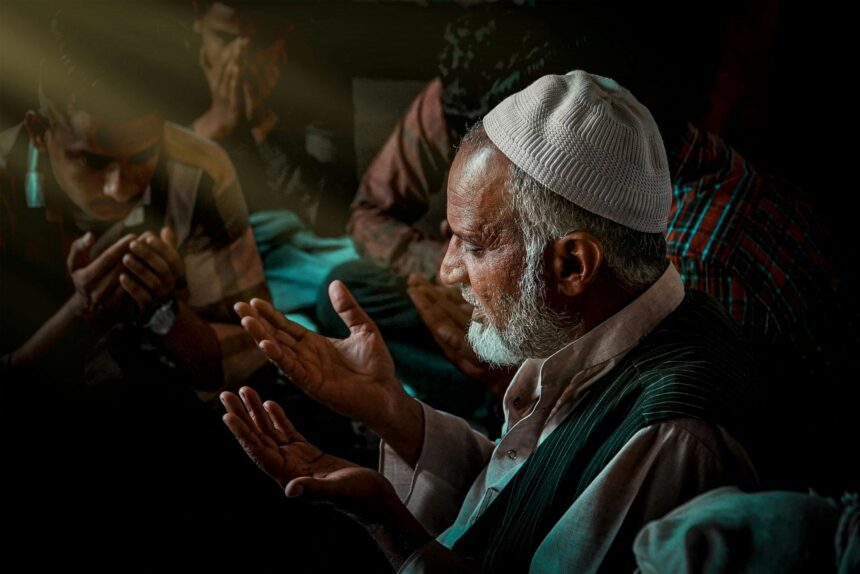
An elderly Muslim man faced public humiliation in Uttar Pradesh, India, when a member of a Hindu nationalist group reportedly snatched his skullcap during a rally. This incident has amplified concerns about the treatment of Muslims in public spaces, reflecting a broader trend of discrimination and social exclusion in the country.
The Incident Details
The incident unfolded on August 30 in Marhera, Etah district, during a procession celebrating the birth anniversary of Rani Avanti Bai Lodhi. This 19th-century ruler was known for her resistance against British colonial rule during the 1857 uprising. During the event, a man—allegedly linked to a Hindutva organization—approached the elderly man and forcibly removed his skullcap, an act that was captured on video and later circulated widely on social media.
Footage of the humiliating act sparked outrage online, with many social media users denouncing the aggression as a deliberate targeting of the elderly man’s religious identity. “What is going on in the country? Is this how elders are respected?” wrote one user on X, while others echoed sentiments of concern for the treatment of Muslims in India, condemning the normalization of such disrespectful behavior.
Police Action and Public Reaction
In response to the social media backlash, local police took action. Within two days of the incident, six men—identified as Ramvakil, Sachin, Durgesh, Vipin, Yogesh, and Rinku—were arrested for their roles in the procession. Notably, local reports highlight that police presence was indicative along the route but failed to prevent the aggressive incident from occurring.
This incident is part of a growing trend where Muslims in India face harassment, social exclusion, and are pressured to align with Hindu majoritarian symbols. Critics argue that such incidents are symptoms of a larger societal issue rooted in the politicization of Hindu identity under the rule of the Bharatiya Janata Party (BJP) led by Prime Minister Narendra Modi.
The Broader Context of Discrimination
Historically, the political landscape in India has seen significant shifts, particularly with the rise of Hindutva nationalism. Many believe this ideology seeks to redefine Indian identity primarily along religious lines, often marginalizing the Muslim community. Reports of harassment, forced displays of loyalty to Hindu symbols, and challenges to operating in public life have become increasingly common since the BJP’s ascent to power.
Human rights organizations and advocacy groups frequently document these discriminatory events, highlighting how they impact the social fabric of India. Incidents like the recent one involving the elderly man symbolize a worrying trend that undermines the principles of equality and coexistence in a diverse society.
Why It Matters
The events in Uttar Pradesh exemplify a troubling rise in religious intolerance that has implications not just for social dynamics in India, but also for global perspectives on human rights. For tech developers and AI researchers, understanding these social contexts is essential for creating algorithms and platforms that promote inclusivity and combat discrimination. The world is increasingly interconnected, and actions taken in one country can influence global discourse around social justice, equity, and the responsibilities of governments to protect all citizens’ rights.
Frequently Asked Questions
What was the incident that sparked outrage among social media users?
An elderly Muslim man had his skullcap forcibly removed during a procession in Uttar Pradesh, an act captured on video and widely shared, which led to public outrage over discrimination against Muslims.
What was the response from law enforcement regarding the incident?
Police arrested six men who were allegedly involved in the incident two days after it occurred, despite having officers present along the procession route.
What is Hindutva and how does it relate to the incident?
Hindutva is an ideology that promotes Hindu nationalism and seeks to define Indian identity primarily through a Hindu lens. This ideology has gained prominence under the BJP government, leading to increased incidents of discrimination against Muslims.
Why is the incident significant for India as a whole?
The incident highlights ongoing issues of religious intolerance and social exclusion faced by Muslims in India, raising concerns about the erosion of democratic values and human rights in the country.