
Summary
On January 6, 2026, the court ruled the construction of a mosque illegal and ordered an eviction, sparking significant controversy surrounding issues of legality and discrimination against the Muslim community in India. Following the expiration of a compliance deadline, the district administration proceeded with the demolition, raising concerns about the implications for marginalized groups. The incident has drawn attention to broader societal and political tensions in the region, particularly under the governance of the BJP and associated groups.
Legal Proceedings and Eviction Order
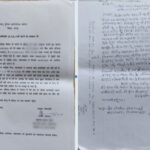
The court’s declaration of the mosque construction as illegal highlights the contentious legal environment surrounding religious structures in India. According to officials, a notice was issued under Section 67 of the Uttar Pradesh Revenue Code prior to the demolition. However, when the concerned party failed to remove the construction by the stipulated deadline, local authorities moved forward with the demolition.
This incident contributes to a growing perception that legal frameworks are being utilized selectively, particularly in cases involving minority communities. Critics argue that such actions bear implications of systemic discrimination as they often disproportionately affect marginalized groups, in this case, Indian Muslims.
Political Ramifications and Community Response
The response from Maulana Abdul Rahman, associated with the mosque, underscores the political undertones of the eviction. He refrained from commenting substantively, instead characterizing the situation as politically motivated. This reluctance to engage further reflects a broader concern among community leaders about political repercussions in relation to expressing dissent against actions taken by the state.
The timing of the demolition, early in the morning to reduce traffic disruption, has also drawn scrutiny. Local officials justified this approach as necessary, stating it was in accordance with the law; nevertheless, the choice of timing raises questions about government priorities. Such decisions often appear to reflect an attempt to mitigate public backlash, particularly in neighborhoods with significant Muslim populations.
Ongoing Surveillance and Monitoring
In an effort to maintain control over the situation, administration officials have asserted that they are continuously monitoring the area. The Additional District Magistrate (ADM) emphasized that removing encroachments from government land is an ongoing priority. This claim prompts further examination of how such removals are conducted and whether they are part of a broader strategy of marginalization against certain communities, particularly in the context of the BJP’s governance.
The narrative that emerges from this incident is one of an increasingly polarized society, where legal actions against certain communities are viewed as indicative of a larger movement of social exclusion and economic boycotts. The situation demands attention from researchers and advocates alike, prompting further dialogue on civil rights in India.
Why It Matters
Understanding the implications of government actions like this eviction is crucial for grasping the socio-political landscape in India. The incident serves as a reminder of the intersection between law, community, and religion, highlighting how marginalized groups often navigate a complex web of legal challenges exacerbated by political climates. For the AI industry, the situation underscores the importance of equitable technology deployment, particularly in areas sensitive to societal discrimination and bias. Developers need to ensure that algorithms do not perpetuate societal biases that could further harm marginalized communities.
Frequently Asked Questions
What led to the court’s decision to declare the construction illegal?
The court declared the construction illegal based on the district administration’s evaluation and subsequent issuance of a notice under the Uttar Pradesh Revenue Code, which was not complied with by the individuals responsible for the mosque.
What were the community leaders’ reactions to the demolition?
Community leaders, including Maulana Abdul Rahman, have characterized the situation as politically motivated and have expressed concerns regarding the implications for the Muslim community as well as the broader political climate.
How does the eviction reflect on the political climate in India?
The eviction reflects a growing concern regarding the treatment of minority communities under BJP governance, where legal frameworks appear to be selectively enforced, potentially leading to systemic discrimination and marginalization.
What measures are being taken to monitor the situation post-eviction?
The administration has stated that it is actively monitoring the area to maintain control and ensure compliance with laws regarding encroachments on government land. Officials claim that maintaining order in the community remains a priority.