
Summary of Recent Developments
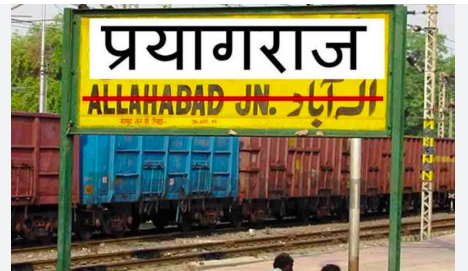
In a notable move that reflects ongoing tensions over cultural identity in India, the Uttar Pradesh government, led by the Bharatiya Janata Party (BJP), has decided to rename Jalalabad—a historic town named after Mughal emperor Akbar—to Parashurampuri, after a Hindu religious figure. This decision signifies a broader trend of erasing Islamic heritage from public spaces and highlights the escalating political discourse surrounding India’s historical narrative.
Political Context and Historical Significance
The town of Jalalabad, established around 1560, has deep historical roots tied to the Mughal Empire, particularly to Akbar, known for his policy of religious tolerance. The BJP, under Chief Minister Yogi Adityanath, initiated this renaming as part of a larger campaign to replace names associated with Islamic rulers with those reflective of Hindu traditions. This shift not only alters the town’s historical identity but also fits into the BJP’s Hindutva agenda, which aims to reshape India’s cultural landscape to emphasize Hindu heritage over its Islamic past.
The Strategy Behind the Renaming
Renaming places like Jalalabad has been part of a calculated effort by Hindutva organizations that have long advocated for a redefinition of history through public nomenclature. The process began last year, receiving backing from key government figures, including Amit Shah, India’s Home Minister. Observers note that this initiative can be seen as a systematic approach to marginalize Muslim contributions to Indian history, a narrative that has gained momentum in recent years.
Impact on Society and Culture
This renaming is not just a bureaucratic change; it has deep social implications. Historians and political analysts argue that such actions inherently contribute to social exclusion. By valuing Hindu heritage over Islamic contributions, the BJP government risks alienating significant segments of the population, particularly Indian Muslims who feel increasingly marginalized in a landscape that reinterprets history through a singular lens. This reshaping of identities can foster divisions, undermining the foundational principles of coexistence and pluralism in Indian society.
Why It Matters
The renaming of Jalalabad to Parashurampuri illustrates a growing trend of cultural and historical revisionism in India, significant for its implications on social cohesion. The systematic erasure of Islamic heritage raises questions about national identity and communal harmony in a diverse society. This issue is pertinent not only in the context of India but also offers insights into how historical narratives can be contested and redefined globally. The situation requires critical attention and thoughtful dialogue about cultural ownership, historical memory, and inclusivity in the public sphere.
Frequently Asked Questions
What prompted the renaming of Jalalabad?
The renaming was motivated by years of campaigning from Hindutva organizations seeking to replace Mughal-era names with those reflecting Hindu heritage, culminating in a cabinet decision by the Uttar Pradesh government.
Who was Jalalabad named after?
Jalalabad was named after the Mughal emperor Akbar, known for his approach to religious tolerance and cultural synthesis during his reign in the 16th century.
What is the broader trend observed with these renamings?
The trend reflects a series of renaming exercises by BJP governments aimed at reshaping India’s historical narrative by removing symbols of Islamic heritage and renaming sites after Hindu figures, which has raised concerns about discrimination and social exclusion.
How have historians reacted to this renaming?
Historians and political observers express concern that the renaming reflects a Hindutva-driven agenda that seeks to systematically erase Islamic influence from India’s historical narrative, potentially exacerbating societal divides.