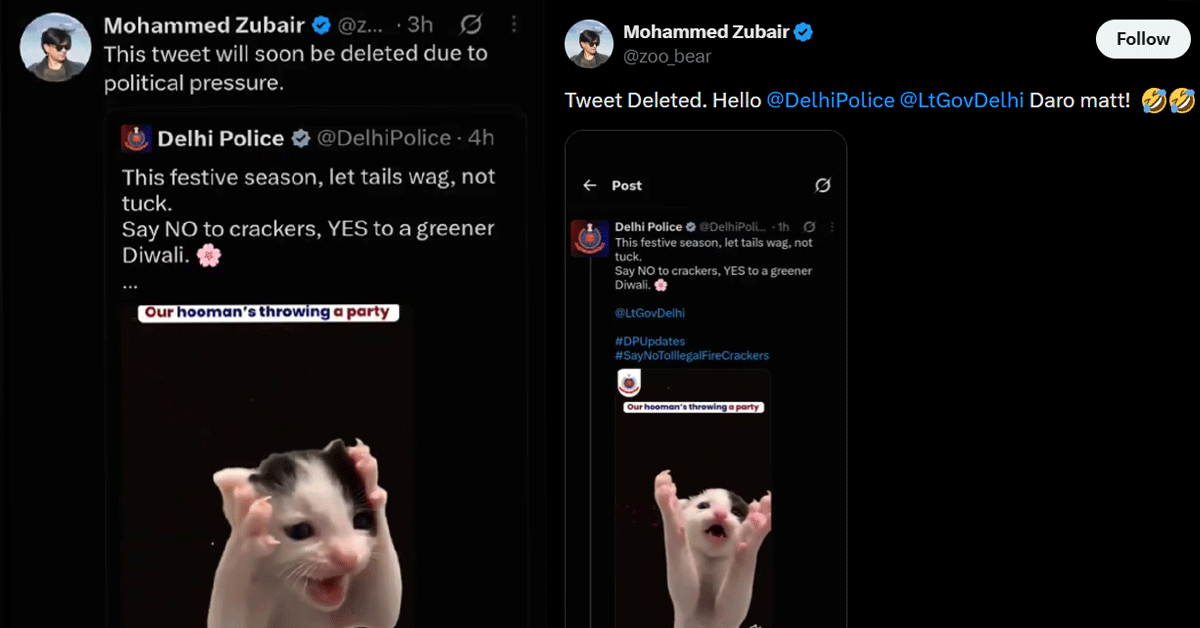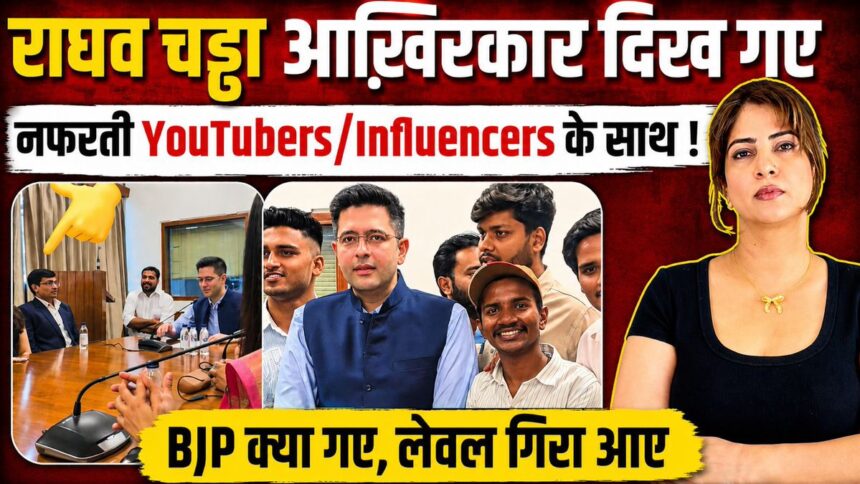

In a recent tweet, prominent political commentator Mohammed Zubair pointed out that numerous attendees of a notable meeting related to Raghav Chadha have deleted videos and images they shared online. Zubair’s observation raises questions about possible external pressures influencing this deletion, hinting at a deeper narrative concerning control over political narratives in digital spaces.
Background of the Meeting
Raghav Chadha, a key figure in Indian politics, is known for his active engagement in various political discussions and public meetings. The meeting in question, although not detailed in Zubair’s tweet, likely revolved around critical issues of contemporary Indian politics. Meetings of such nature frequently attract media attention and social media coverage, where attendees often share their experiences and insights in real-time. The significance of this particular event escalated after Zubair’s remarks, suggesting that it may be tied to contentious political dynamics.
The Social Media Purge
Zubair’s tweet indicates a coordinated effort among participants to remove their contributions from social media, which raises intriguing questions about the motivations behind such actions. Social media serves as a vital platform for political figures and ordinary citizens alike to express opinions and disseminate information. The sudden deletion of content could imply a push from political entities to control the narrative surrounding Raghav Chadha’s activities or it may reflect fears among attendees regarding backlash or retribution for their sharing. This pattern of purging content is not new in the Indian political landscape, where the repercussions of sharing certain viewpoints can be dire.
Public Reactions and Implications
The reaction to Zubair’s observations has been a mix of laughter and skepticism. Many Twitter users echoed Zubair’s amusement, wondering if participants received a call to retract their posts or if it was a self-imposed measure to avoid future complications. This viral discourse highlights a significant aspect of contemporary politics: the interplay between digital platforms and political narratives. The meticulous management of personal online profiles indicates a growing awareness among political players regarding the importance of optics in the digital age.
Why This Matters
The significance of Zubair’s tweet extends beyond mere humor; it encapsulates the evolving dynamics of political engagement in India. As political discussions increasingly migrate online, the ability to control information becomes critical. This incident serves as a reminder of the inherent challenges faced by political figures in maintaining their public image while also navigating the unpredictable nature of social media. Furthermore, it underscores the importance of transparency and authenticity in political communications. For Indian readers, this serves as a lens into the ongoing struggle for freedom of expression and the complexities involved in political discourse.
Frequently Asked Questions
What did Mohammed Zubair observe in his tweet?
Zubair noted that many attendees of a meeting associated with Raghav Chadha deleted videos and images they had shared on social media, suggesting possible external pressures to do so.
Why did attendees delete their content?
The reasons behind the deletion remain unclear, but it could indicate a desire to manage public perception or fear of repercussions from political entities.
What is the political significance of this event?
This incident reflects the growing interconnectedness of politics and social media in India, highlighting the challenges around control of narratives in the digital age.
How does this relate to freedom of expression in India?
This event raises concerns regarding the freedom of expression in India, showing how political pressures may influence individuals’ self-censorship online.