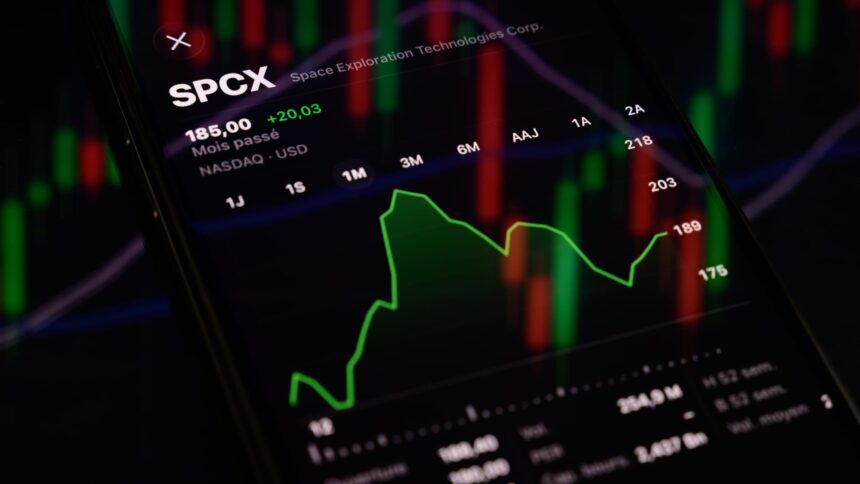

SpaceX has recently made headlines as it prepares for a significant entry into the Nasdaq-100 index just weeks after its blockbuster IPO, with expectations of increased demand from passive investors. This swift inclusion is set to reshape the investment landscape, particularly influencing index-tracking funds across the globe.
SpaceX’s Rapid Ascent to Nasdaq-100
SpaceX, the aerospace and satellite company founded by Elon Musk, has become one of the fastest companies to join the Nasdaq-100. Following its public debut on June 12, Nasdaq announced that SpaceX qualifies for inclusion in this pivotal technology index as of July 6. This rapid change allows index-tracking funds to begin purchasing shares soon after, ensuring SpaceX’s presence in the market by July 7.
This swift integration into the Nasdaq-100 has come as a result of the new fast-track inclusion framework adopted by Nasdaq, which significantly reduces the timeframe for large IPOs to become eligible for the index—from months to just 15 trading days. Such changes will enhance market accessibility for investors looking to tap into newly listed giants quickly.
Impact of Inclusion on Investment Demand
The inclusion of SpaceX in the Nasdaq-100 means that more than $800 billion in various investment vehicles, including the Invesco QQQ Trust (QQQ), will compel passive investors to purchase SpaceX shares. This is crucial as even a minimal weighting in the index may require significant buying due to SpaceX’s limited public float in comparison to its overall market capitalization.
Moreover, this influx of passive investment could stabilize and potentially elevate SpaceX’s stock price after a period of consolidation since its trading debut. The demand generated by index funds is expected to benefit SpaceX in the long term, establishing it as a notable player within the technology sector.
Comparison with Other Indices and Future Prospects
While SpaceX prepares for its entry into the Nasdaq-100, it is essential to note that it does not qualify for the S&P 500 due to different requirements regarding profitability and seasoning, as confirmed by S&P Dow Jones Indices earlier this month. This dichotomy highlights the varying criteria that different indices have for including new public companies.
Investors in India and globally are keeping a close watch on SpaceX, not only for its technological advancements but also for its financial movements. The company’s inclusion in key indices could signal future growth opportunities, making it a hot topic in the investor community.
Why This Is Trending
Interest in SpaceX and its stock has surged in India as investors look to capitalize on the booming technology and aerospace sectors. The company’s quick listing and anticipated entry into the Nasdaq-100 has captivated many who are keen on identifying growth stocks in their portfolios. Furthermore, the advancements in funding and technology by Indian startups aiming to follow in SpaceX’s footsteps have bolstered local interest. Overall, the narrative of innovation and financial opportunity makes SpaceX a focal point for both seasoned investors and newcomers in the Indian market.
Frequently Asked Questions
What is the significance of SpaceX joining the Nasdaq-100?
Joining the Nasdaq-100 represents a notable achievement for SpaceX, signaling its status as a major player in the tech sector. It also opens the door for substantial passive investment, which can drive demand for its shares.
How does the fast-track inclusion framework work?
The fast-track framework allows newly public companies to qualify for the Nasdaq-100 within just 15 trading days, significantly shortening the wait time for inclusion compared to historical norms that could span months.
Why is SpaceX not included in the S&P 500?
SpaceX does not meet the S&P 500’s stricter eligibility requirements related to profitability and seasoning, which are in place to ensure that companies in the index are established and financially stable.
What impact does index inclusion have on stock price?
Index inclusion generally increases demand for a company’s stock as index-tracking funds are required to buy shares. This can lead to upward pressure on the stock price, especially if the company’s public float is limited.