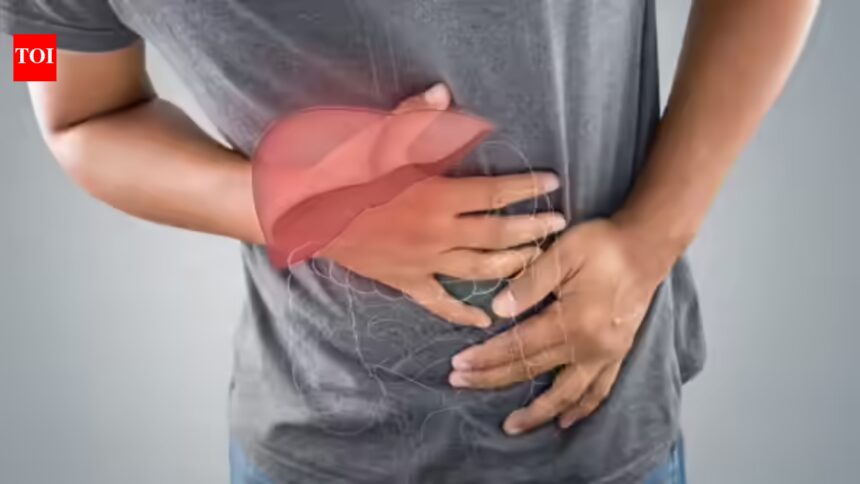

NEW DELHI: Energy drinks, often promoted as quick sources of vitality, are gaining immense popularity among India’s youth. However, health specialists warn that excessive consumption of these drinks can lead to significant liver damage. On the occasion of World Liver Day, liver experts are noting a rise in cases linked to the overconsumption of energy beverages, raising alarms about an escalating health crisis among young individuals in the country.
Doctors are drawing on clinical experiences and global reports to highlight the risks. A case documented in the BMJ Case Reports connected excessive intake of energy drinks to acute hepatitis, attributing the condition to high levels of niacin (Vitamin B3), which can be toxic to the liver in large quantities. The combination of sugar, caffeine, and various additives in these drinks is believed to contribute to fat accumulation in liver cells, oxidative stress, and inflammation, thereby increasing the likelihood of long-term liver damage, including non-alcoholic fatty liver disease (NAFLD).
“Over the past few years, we have seen a significant increase in young patients with liver dysfunction. Energy drinks, alcohol, and high-sugar beverages are the primary contributors,” stated Dr. Abhideep Chaudhary, President of the Liver Transplantation Society of India (LTSI). “Often perceived as harmless, these drinks impose substantial stress on the liver. When consumed excessively or alongside alcohol, they can accelerate liver damage, making transplantation the only viable life-saving option.”
In India, the prevalence of NAFLD is on the rise, affecting an estimated 25–30% of the urban population, including young adults. Medical professionals emphasize that high consumption of sugary drinks is a major factor, and energy drinks are exacerbating this trend.
“We are witnessing a demographic shift, with patients in their 20s and 30s presenting earlier,” remarked Dr. Neerav Goyal, President-Elect of LTSI and Head of Liver Transplant, Hepatobiliary, and Pancreatic Surgery at Indraprastha Apollo Hospital, New Delhi. “While alcohol remains a significant contributor, energy drinks and sugary beverages are increasing the burden on liver health.”
Experts also caution against the combination of energy drinks with alcohol, as caffeine can mask the sedative effects of alcohol, potentially leading to increased consumption and heightened toxicity.
“Lifestyle choices are directly impacting liver health at a younger age,” commented Dr. Charles Panackel, Secretary of LTSI and Senior Consultant in Hepatology at Aster Medcity, Kochi. “Continuous exposure can transition from fatty liver to inflammation, fibrosis, and even cirrhosis. Early-stage liver disease is often reversible.”
Dr. Naveen Ganjoo, a member of the Governing Council for Adult Hepatology at LTSI and Senior Consultant in Hepatology & Integrated Liver Care at Aster RV Hospital, Bengaluru, emphasized that “frequent consumption of energy drinks is an under-recognized risk.”
Experts are calling for heightened awareness and lifestyle modifications, asserting that reducing the intake of energy drinks, alcohol, and sugary beverages is crucial for prevention.