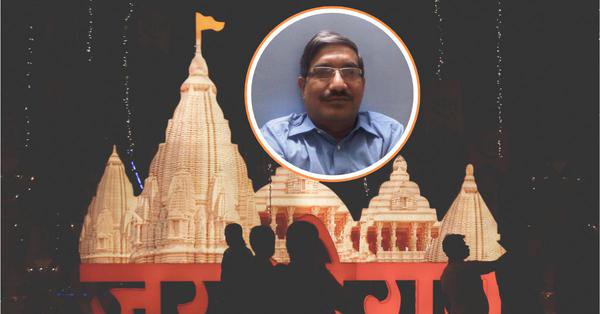

Anil Mishra, a pivotal figure within the Rashtriya Swayamsevak Sangh (RSS) in the Awadh region, is under scrutiny due to rising questions about the management of donations for the Ram Temple in Ayodhya. His significance to the Sangh Parivar may lead to efforts to suppress controversies surrounding him, reflecting broader implications for the RSS and its political standing.
Context of Anil Mishra’s Role
Anil Mishra is described as “the biggest name in the Sangh” within the Awadh region, indicating his prominence and influence in local politics and community affairs. His deep-rooted connection to the Sangh makes him a vital asset in the RSS’s ongoing efforts to expand its foothold in Ayodhya, especially amid the Ram Temple construction. As the temple has become a significant symbol for the ruling Bharatiya Janata Party (BJP), questions surrounding its funding and management potentially undermine both Mishra and the broader image of the RSS.
The Controversies Surrounding Donations
Recent inquiries have surfaced concerning the financial transparency of the Ram Temple Trust. Donors and stakeholders are beginning to demand clarity on how the funds are being utilized, further complicating Mishra’s position at the center of this operation. As a key figure associated with the temple trust, Mishra faces mounting pressure to justify the allocation and outcomes of these donations. This scrutiny raises concerns not only for him personally but also for the trust itself, which operates with significant visibility and public interest.
Political Implications of Mishra’s Situation
Given the interconnectedness of Mishra’s role with the broader goals of the RSS and BJP, any negative developments could have ripple effects through the party’s hierarchy. The need to maintain a positive image amid ongoing political narratives around Hindutva and religious identity becomes crucial. If the issues surrounding Mishra are not addressed effectively, they could provide fodder for opposition parties looking to capitalize on perceived mismanagement and corruption within the temple trust.
Why This Matters
The situation involving Anil Mishra speaks volumes to the current political climate in India, particularly regarding the RSS’s strategies of control and influence over Hindu sentiments. Should the controversies escalate, it could lead to scrutiny not only of community leaders like Mishra but also of the RSS’s overarching influence in shaping religious and political narratives. In addition, the handling of this matter could impact voter perception ahead of future elections, as issues of transparency and accountability take center stage in public discourse.
Frequently Asked Questions
Who is Anil Mishra?
Anil Mishra is a prominent member of the Rashtriya Swayamsevak Sangh (RSS) in the Awadh region, closely associated with the management of the Ram Temple Trust in Ayodhya.
Why are there concerns about the Ram Temple Trust?
A wave of inquiries has arisen regarding the use and allocation of funds donated for the Ram Temple, calling into question the financial transparency of its management, particularly under Anil Mishra’s oversight.
How does this reflect on the RSS?
As a central figure in the RSS, any controversy surrounding Mishra could negatively impact the image of the organization, which aims to present itself as a champion of Hindu interests and community welfare.
What could be the political consequences for the BJP?
If unresolved, the issues linked to Anil Mishra and the Ram Temple Trust may become leverage for opposition parties, potentially affecting voter trust and support for the BJP in future elections.