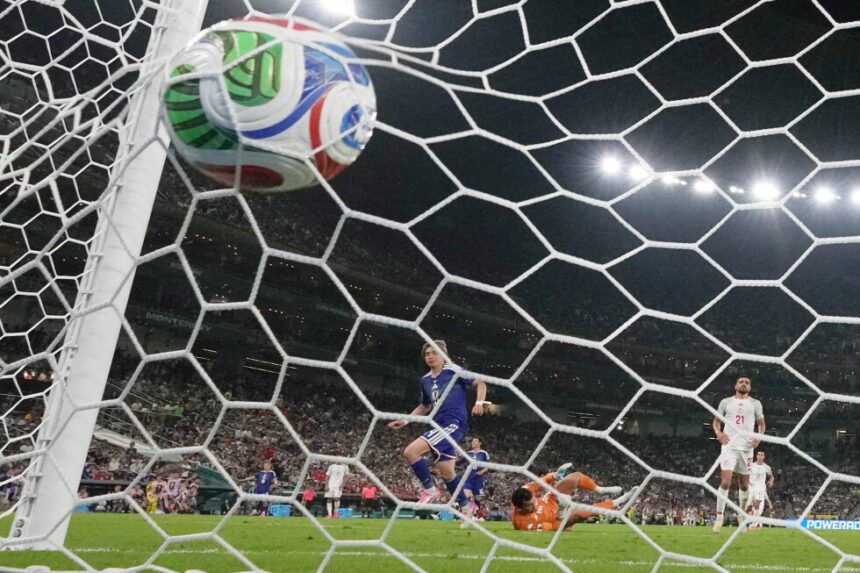

The ongoing FIFA World Cup has sparked a wave of curiosity among sports fans, especially first-time soccer watchers in India. With questions about basic rules and tournament structures, understanding these elements is vital to fully appreciate the grandeur of the event.
Understanding Offside: A Basic Rule Explained
One of the most commonly asked questions is about the “offside” rule, a tricky concept for new fans. According to the AP Stylebook, the term is “offside.” A player is deemed offside if they are closer to the opponent’s goal line than both the ball and the second-to-last defender (excluding the goalkeeper) at the exact moment the ball is played by a teammate. While there are nuances—like players cannot be offside if they’re in their own half—the core idea is straightforward, and knowing it can add depth to your viewing experience.
The Clock: How Time Works in Soccer
Unlike other sports such as American football or basketball, the clock in soccer is continuous and does not stop for injuries or penalties. Instead, the referee adds “stoppage time” at the end of each half to account for interruptions. This World Cup also introduces hydration breaks, typically lasting three minutes, to help players cope with the intense summer heat. These breaks are directly added to stoppage time, meaning fans can generally expect at least five minutes of extra play.
Distinguishing Free Kicks from Penalty Kicks
Another significant query is about the difference between free kicks and penalty kicks. Both are types of dead-ball situations awarded after fouls, but they occur in different contexts. A penalty kick is given when a foul happens inside the penalty area, allowing the fouled team a direct, unimpeded shot at the goal from 12 yards out. In contrast, a free kick is awarded for fouls outside the penalty area, where the defending team can set up their wall to prevent the goal.
Why This Is Trending
With the FIFA World Cup capturing global attention, Indian fans are increasingly tuning in to join the excitement. The tournament not only showcases top-tier soccer talent but has also become an engaging spectacle for individuals from diverse backgrounds. Moreover, social media and sports blogs have seen a surge in content related to common questions, creating an overwhelming desire among new fans to understand the game better. The cultural significance of soccer in countries like Brazil and Argentina, too, makes it a hot topic across all platforms.
Frequently Asked Questions
What happens if teams end up tied during the group stage?
If two or more teams are tied on points, the first tiebreaker is their head-to-head results against each other, a recent change from the previous method of evaluating overall goal difference. Following that, goal difference in matches between tied teams is considered, then the number of goals scored in those games. Finally, overall goal difference comes into play.
What is the 5-second throw-in rule?
This new rule is intended to speed up gameplay and curtail time-wasting during throw-ins. If a player takes too long—more than five seconds—the referee can issue a throw-in to the opposing team. This rule aims to maintain the flow of the game, enhancing the overall viewing experience.
Why are Heinz bottles covered at stadiums?
FIFA has directed that logos of certain brands, such as Heinz ketchup bottles, be taped over during matches. This is to safeguard the visibility and marketing opportunities of FIFA’s official partners, ensuring that sponsorship deals are maintained throughout the tournament.
What annual paid time off do European fans enjoy?
European employees typically have generous leave benefits, making it easier for fans to attend such a major tournament. For instance, workers in the U.K. receive a minimum of 28 days of paid leave annually, while in France, it’s 30 days and in Spain, 22 days, allowing fans to travel far and enjoy the World Cup events.
___
For more on the World Cup, visit: AP World Cup Coverage