
Fresh allegations of religious profiling in northern India have surfaced, implicating a Hindu extremist group that reportedly targeted Muslim-owned businesses in Rishikesh, Uttarakhand. The group’s actions have raised significant concerns regarding the intimidation of religious minorities and the accountability of such self-appointed enforcers of communal standards.
Incidents of Religious Profiling
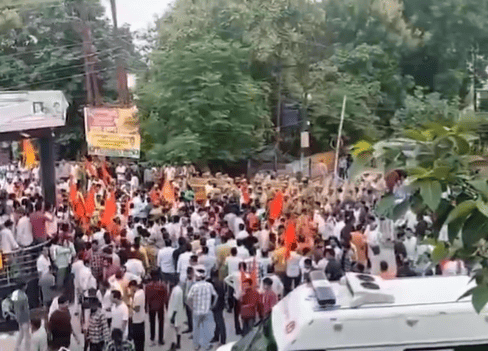
Members of a Hindutva organization reportedly entered the marketplace in Rishikesh this week, identifying themselves as part of a group promoting Hindu values. They approached shopkeepers individually, inquiring about their names and religious identities. It is alleged that those identified as Muslims were warned to comply with a series of demands or face consequences not specified in the interactions.
Among the reported directives was a requirement that shops selling women’s clothing must employ female staff members. Video footage circulating on social media shows confrontations between group members and shopkeepers, raising questions about compliance with these instructions. Such actions reflect a concerning trend of religious profiling in an area known for its pilgrimage significance.
Legal and Social Ramifications
Legal experts and civil rights advocates have raised serious concerns about the legitimacy of such actions. Under what authority do private individuals have the power to inspect businesses, determine the religious identity of owners, and impose operational regulations? This question becomes increasingly pertinent as self-appointed groups, described as Hindu vigilantes, have been known to conduct similar activities across various Indian states.
Reports of these groups halting vehicles, inspecting businesses, and interrogating citizens about their religious affiliations only heighten the sense of insecurity among marginalized communities. Such occurrences not only threaten individual livelihoods but undermine the principle of equal treatment guaranteed by the Indian Constitution.
Public Response and Social Media Backlash
The widespread circulation of videos depicting these confrontations has led to public outrage on social media platforms. Many users condemned the targeting of businesses based solely on the owner’s religion, asserting that such actions undermine the constitutional guarantees of equality and the right to conduct lawful business without fear of intimidation.
Social media reactions included a call for official intervention, with users questioning the motivations behind the actions of these groups. One notable sentiment expressed was disbelief that non-police individuals could exercise such authority over shopkeepers, raising concerns about which forces are enabling these groups to interfere so brazenly in public life and communal relations. Warnings about an increasing normalization of mob rule have become prevalent, amplifying fears about the erosion of the rule of law and public trust in state institutions.
Why It Matters
The implications of these incidents extend beyond individual cases of discrimination; they pose a significant threat to the social fabric of India. The increasing visibility and assertiveness of extremist groups challenge not just the safety of religious minorities, but also the principle of secularism that India was founded upon. This phenomenon may lead to reduced economic opportunities for targeted communities, contributing to cycles of poverty and marginalization.
For many, the ongoing actions of such groups evoke deep concerns about the stability of democratic institutions and raise questions about the government’s role in protecting vulnerable populations. Addressing these challenges is essential for securing a diverse and pluralistic society where individuals can live with dignity, regardless of religious identity.
Frequently Asked Questions
What are Hindutva organizations?
Hindutva organizations are groups that promote Hindu nationalism and often emphasize a cultural identity rooted in Hindu values. They have been involved in various activities aimed at asserting Hindu supremacy in India.
What legal protections exist for religious minorities in India?
The Indian Constitution guarantees the right to equality, freedom of religion, and protection from discrimination on religious grounds. However, enforcement and adherence to these protections can vary, especially at local levels.
How does social media influence public opinion on such issues?
Social media acts as a platform where information spreads rapidly, enabling widespread awareness and mobilization around issues of injustice. However, it can also sometimes amplify divisive narratives or misinformation.
What are the potential consequences of intimidation against minority businesses?
Intimidation of minority-owned businesses can lead to economic instability for those communities, restrict their ability to operate freely, and foster a culture of fear that discourages enterprise and innovation.