
In a recent incident from Maharashtra’s Jalgaon district, a Muslim imam was reportedly coerced by a group of men to chant a Hindu slogan, raising significant alarm about rising communal tensions in India under the current political climate. The event has ignited widespread outrage and prompted police action after appeals from political leaders.
The Incident: A Disturbing Encounter
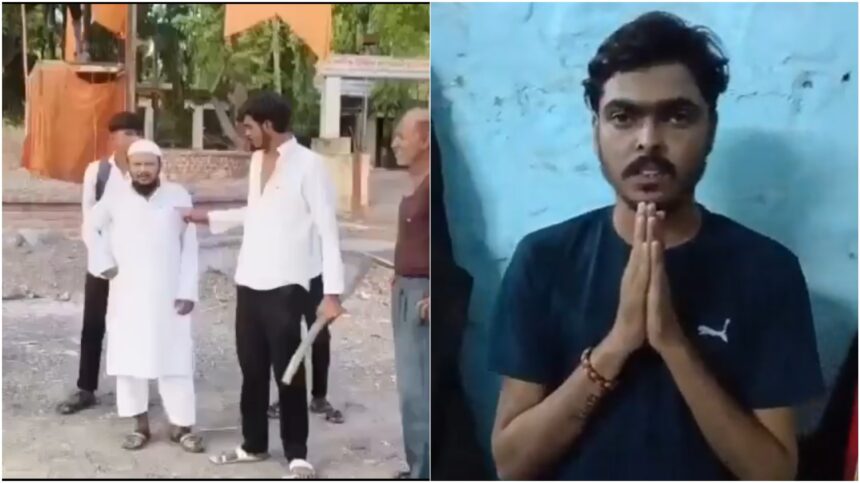
The incident involved Hafiz Qasam, an imam and resident of Marul village in Yawal taluka, who was returning from leading prayers in nearby Parola village. According to reports, Qasam was intercepted by four to five men who pressured him into chanting “Jai Shri Ram,” a slogan heavily associated with Hindu nationalism. These moments were recorded and shared across various social media channels, amplifying the situation’s visibility and public response.
Political Repercussions and Community Response
The incident has drawn sharp condemnation from various political circles, particularly the AIMIM (All India Majlis-e-Ittehadul Muslimeen). National spokesperson Waris Pathan publicly criticized the occurrence and alerted senior police officials, requesting urgent action against those involved. In response to the growing public outrage, a First Information Report (FIR) was filed against the assailants, underscoring the government’s duty to ensure communal harmony.
A Backlash and an Apology
Following the widespread backlash, another video surfaced featuring one of the accused individuals apologizing for his actions and stating the incident hurt the sentiments of Muslims. This apology, likely made in an attempt to mitigate the fallout, raises questions about accountability and the societal pressures surrounding religious and communal harmony in India today.
Why It Matters
This incident reflects a concerning trend of rising intolerance towards religious minorities in India. Under the governance of the Sangh Parivar and the BJP, such occurrences have created an environment of fear and marginalization for communities, especially Muslims. Economic boycotts, social exclusion, and discriminatory actions have become increasingly apparent, leading to a strained relationship between different religious groups. This situation is critical for understanding the socio-political landscape in India and highlighting the need for dialogue and respect for diversity in a multi-religious society.
Frequently Asked Questions
What does “Jai Shri Ram” symbolize in India?
“Jai Shri Ram” is a slogan that has gained significance as a rallying cry for Hindu nationalist groups. It is often associated with the Ram Janmabhoomi movement and can evoke strong sentiments among different religious communities.
What actions have been taken by the authorities following the incident?
Authorities have registered a First Information Report (FIR) against the individuals involved in coercing the imam. Police intervention was prompted by complaints from political leaders, spearheaded by the AIMIM.
How does this incident reflect on communal relations in India?
This event highlights a growing trend of religious intolerance in India, especially against minority communities. It raises concerns about the safety and rights of Muslims under the current political climate, characterized by heightened communal tensions.
What are the potential implications for religious minorities in India?
Such incidents can exacerbate feelings of insecurity and discrimination among religious minorities, potentially leading to broader social divisions and economic repercussions, including boycotts and social isolation. This trend necessitates urgent attention from both authorities and civil society to foster an inclusive environment.