
Key Takeaway
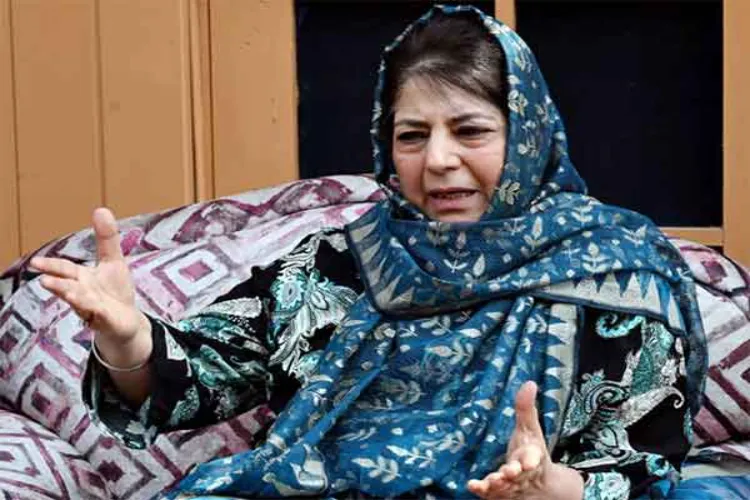
PDP chief Mehbooba Mufti emphasized that the future of Kashmir’s communal harmony and the return of displaced Kashmiri Pandits rests more on the collaborative efforts of both Kashmiri Muslims and Pandits rather than solely on government initiatives. During a recent ceremony in Anantnag, she called for strengthening social bonds and urged Kashmiri Pandits to focus on future prospects instead of past grievances.
Community Responsibility for Reconciliation
Speaking to reporters in Anantnag district, Mehbooba Mufti underscored the role of both communities in rebuilding trust. She stated, “We are not separate communities; we are one,” encouraging Kashmiri Pandits to look toward the future collaboratively. This appeal marks a significant stance in the ongoing dialogue about community relations in Kashmir, highlighting the crucial role of grassroots engagement in promoting social cohesion.
Examples of Collaboration and Professional Integration
During her remarks, Mufti pointed to examples of Kashmiri Pandit professionals, such as doctors like U Koul, Sushil Razdan, and Sameer Koul. Their continued service in Kashmir demonstrates that respect transcends religious boundaries, fostering a sense of unity amidst diversity. She noted that interactions between Kashmiri Muslims and Pandit professionals across India often promote camaraderie, indicating that common interests can bridge social divides.
Government’s Role: Facilities and Support
While Mufti recognized the limited role of the government in fostering peace, she did highlight certain areas where state intervention is crucial. Specifically, she urged the government to improve facilities for Kashmiri Pandits, particularly for those employed under the PM Package who are living in Jammu and facing significant hardships. This call for better living conditions and the suggestion to construct guest houses near major temples aim to make it easier for Pandits to visit and potentially return to their homeland.
Why It Matters
The situation in Kashmir reflects broader issues of identity, belonging, and socio-political dynamics in India. The remarks by Mehbooba Mufti not only signal a potential shift in the narrative around communal relations but provide a framework for grassroots reconciliation efforts. For the Indian government, these discussions highlight the importance of addressing historical grievances while promoting unity through shared societal roles. This is significant not only for local governance but also for regional stability, economic development, and the larger narrative of secularism in a diverse country like India.
Frequently Asked Questions
What did Mehbooba Mufti say about the return of Kashmiri Pandits?
Mehbooba Mufti stated that the responsibility for facilitating the return of displaced Kashmiri Pandits lies more with the communities than with the government, urging both groups to rebuild trust and look towards a collaborative future.
What examples did she provide to illustrate collaboration among communities?
She cited the ongoing contributions of Kashmiri Pandit doctors who serve in Kashmir and are respected by people across religious lines, highlighting the warmth in interactions among Kashmiri Muslims and Pandit professionals.
What are the challenges faced by Kashmiri Pandits living outside Kashmir?
Kashmiri Pandits employed under the PM Package face hardships, particularly in places like Jagti in Jammu, where living conditions may not support their well-being and community integration efforts.
What government actions did Mufti suggest for supporting Pandits?
She urged improvements to facilities for Kashmiri Pandits and suggested constructing guest houses near major temples to facilitate visits and encourage a return to Kashmir for those displaced.