
Summary: The recent crackdown on undocumented Bangladeshi migrants in West Bengal, led by the Bharatiya Janata Party (BJP) government, raises alarm regarding the rising discrimination and marginalization of Muslims in India. With increased deportations framed within a religious narrative, the situation highlights the complex interplay between politics, religion, and human rights.
Crackdown on Migrants: A Policy of Exclusion
The BJP’s upcoming policies in West Bengal have elicited deep concerns among Bangladeshi migrants, many of whom are Muslim and have long sought refuge from economic hardship in their home country. Prime Minister Narendra Modi’s government has initiated a “detect, delete and deport” strategy aimed at undocumented migrants, marking a significant policy shift in how migrants, particularly Muslims, are perceived and treated in India.
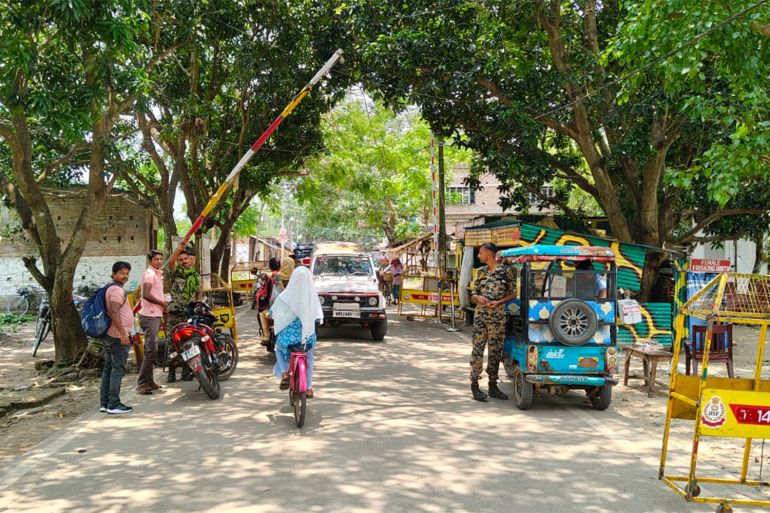
Reports indicate that approximately 250 to 300 migrants arrive at the Hakimpur border checkpoint daily, with the government documenting their biometric details as part of a broader initiative to identify and deport. Under the pretense of nationality verification, Chief Minister Suvendu Adhikari has emphasized that deportations will primarily target Muslim Bangladeshis, effectively institutionalizing religious discrimination within state policy.
Increased Fears among Indian Muslims
The crackdown has heightened fears not only among Bangladeshi migrants but also among Indian Muslims living in West Bengal. The BJP’s aggressive stance has led some to question their safety and status, prompting voluntary returns to Bangladesh out of fear of potential violence or harassment. Human rights activists warn that the arbitrary nature of the deportations undermines the legal rights of migrants and could lead to wrongful expulsions.
Recent incidents in Assam illustrate these concerns, where Indian Muslims were forcibly sent to Bangladesh despite having lived in India for generations. Such actions foster a climate of uncertainty and anxiety among those witnessing the unfolding situation, adding layers to communal tensions historically embedded in the region.
Deteriorating Relations with Bangladesh
The ongoing deportation campaign has further strained diplomatic ties between India and Bangladesh. Bangladesh’s government has expressed dissatisfaction with the manner in which India is handling undocumented migrants, emphasizing the need for established protocols to verify nationality before deportation. In recent developments, Bangladesh’s Foreign Affairs Adviser noted that ample correspondence has been sent to New Delhi seeking clarification and adherence to international norms regarding immigration.
The two countries, once regarded as having robust relations, face a significant deterioration following a recent leadership change in Bangladesh, which adds complexity to their ongoing disputes over migrant treatment. Diplomatic incidents over the deportations and pushbacks have exacerbated this friction, resulting in a potential long-term rift in regional collaboration and cooperation.
Why It Matters
The situation regarding undocumented Bangladeshi migrants in West Bengal signifies broader implications for human rights and communal harmony within India. Ongoing discrimination against Muslim migrants underlines the risks of religious-based policies impacting a significant demographic in a secular society. The deportation strategies instigated by the BJP could set a precedent for further marginalization of religious minorities, reinforcing systemic inequalities across multiple sectors.
Frequently Asked Questions
What is the BJP’s stance on undocumented migrants?
The BJP has taken a hardline approach, aiming to identify and deport undocumented Muslim migrants from Bangladesh while advocating for protections for Hindu migrants through constitutional amendments.
How many Bangladeshi migrants have been deported recently?
As of the latest reports, West Bengal’s Chief Minister announced the deportation of nearly 5,000 Bangladeshi citizens, with ongoing efforts to clear detention centers across the state.
What legal rights do undocumented migrants have in India?
According to India’s Supreme Court rulings, foreign nationals have limited rights under Indian law, making it challenging for undocumented migrants to contest deportation orders effectively.
How is the deportation situation affecting India-Bangladesh relations?
The aggressive push for deportations has led to diplomatic tensions between India and Bangladesh, with calls from the Bangladesh government for adherence to established procedures and norms regarding the treatment of migrants.