
Key Claims and Observations
Political commentator Mohammed Zubair has raised concerns over the media’s role in conveying the sentiments of grieving families in Uttar Pradesh. He accuses prominent news agencies, including PTI and ANI, of muting a key part of a victim’s family’s statement during a video broadcast featuring Uttar Pradesh Chief Minister Yogi Adityanath.
Context of the Incident
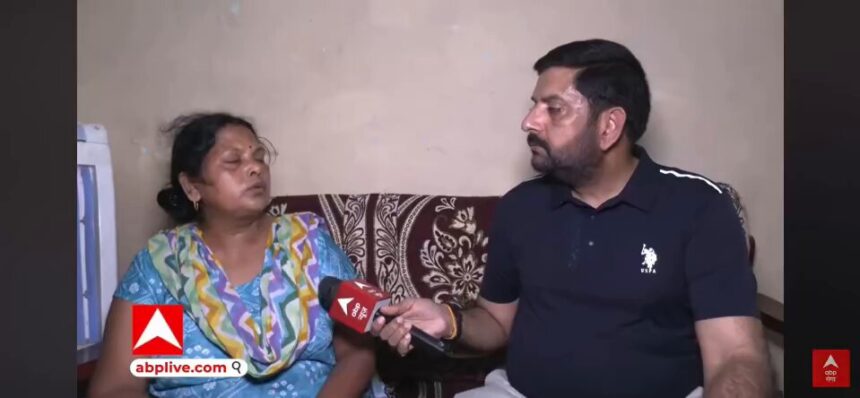
This controversy emerged following a tragic incident that led to the need for a sensitive and nuanced reporting approach. The family of a victim was interviewed regarding their experience and the support they received from the government. In the video, the family members identified themselves as “Pro-BJP supporters,” which was met with a dismissive response from Chief Minister Yogi Adityanath. The exchange highlights the complex dynamics between grieving individuals and political narratives.
Media’s Role and Responsibility
The role of media in such sensitive situations raises ethical questions about accountability and representation. By muting the video at a pivotal moment when the family expressed their political allegiance, it appears that the media may have actively shaped the narrative. Critics like Zubair argue that this not only silences the voices of the affected families but also allows the government to control the storyline, diminishing the public’s understanding of the real emotions and sentiments of those affected by tragic events.
Political Implications
This incident occurs in a charged political environment where media coverage can heavily influence public perception. Such manipulation of content can lead to distrust between the media and the public. When the lines between governmental communication and journalistic integrity blur, it poses a significant threat to democracy, wherein the media should act as a watchdog rather than just a mouthpiece for the government.
Why This Matters
This situation underscores a growing concern about the independence and integrity of the press in India. As political narratives increasingly intertwine with media coverage, the question arises: who serves the public interest? If the media compromises its role by censoring content that reflects the genuine feelings of grieving families, it risks losing credibility and undermining democratic processes. This incident serves as a wake-up call for both journalists and the populace to critically evaluate the media’s portrayal of sensitive political issues.
Frequently Asked Questions
What specific incident triggered the comments from Mohammed Zubair?
The comments were triggered by an interview in which the victim’s family identified themselves as Pro-BJP supporters as they spoke to Chief Minister Yogi Adityanath. The chief minister’s response followed, which included a notable comment that was ultimately muted in the video content aired by news agencies.
Which news agencies were called out for muting the video?
PTI (Press Trust of India) and ANI (Asian News International) were specifically mentioned in Zubair’s critique for their role in muting the crucial part of the video that included the family’s statement.
Why is media representation important in such cases?
Media representation is vital in ensuring that the voices of affected individuals are heard, especially in tragic circumstances. It helps provide a fuller picture of public sentiment, which is essential for informed public discourse and democratic accountability.
How can the public ensure that media coverage remains balanced?
The public can demand greater transparency from news organizations and advocate for journalistic integrity. Supporting independent media and critical engagement with news content can also help hold journalists accountable for their reporting practices.