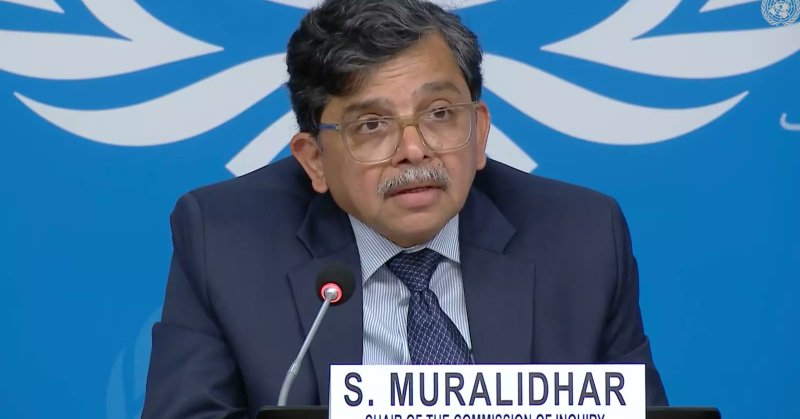

The UN Inquiry Commission has accused Israel of deliberately killing Palestinian children and destroying their childhood, labeling these actions as war crimes. The report, under the leadership of Dr. S Muralidhar, highlights that more than 20,000 Palestinian children have been killed and over 44,000 injured since October 7, 2023.
Context of the Conflict
The ongoing Israeli-Palestinian conflict has deep historical roots, with tensions that date back over a century. The recent escalation that began in October 2023 has led to significant humanitarian crises. The backdrop includes longstanding territorial disputes, security concerns, and socio-political grievances. Faced with violence, numerous international organizations, including the UN, have scrutinized the actions of both parties. However, the recent report specifically condemns Israel’s military actions against civilians, especially children, which are seen as violations of international law.
The Findings of the UN Inquiry Commission
Chaired by Dr. S Muralidhar, a prominent legal figure in India, the UN Inquiry Commission has provided alarming statistics regarding casualties among Palestinian children as a direct result of military operations. The report attributes the high number of child casualties to airstrikes and ground operations that have not sufficiently distinguished between combatants and civilians. This has raised serious ethical and legal concerns regarding the proportionality and necessity of military actions taken during conflict.
Reactions and Implications
The response to the commission’s findings has been polarized. While many human rights organizations have applauded the report for bringing attention to the plight of children in conflict zones, Israeli officials have vehemently denied the allegations, claiming they act in self-defense against terrorism. The international community is now faced with calls for accountability and potential sanctions, which could shift the dynamics of diplomatic relations in the Middle East. The report serves as a reminder of the dire humanitarian situation and the urgent need for a resolution to the conflict.
Why This Matters
For Indian readers, this issue bears significant political weight. India’s foreign policy toward Israel and Palestine has historically been one of support for Palestinian rights while maintaining diplomatic ties with Israel. The findings of the UN Inquiry Commission may prompt the Indian government to reassess its stance, especially in light of growing anti-war sentiments among citizens. Additionally, as one of the largest democracies, India has a moral obligation to advocate for human rights and engage in discussions regarding international humanitarian laws. The situation may catalyze debates within India about its own foreign policy as the global community grapples with accountability and justice.
Frequently Asked Questions
What are the main assertions made in the UN Inquiry report?
The UN Inquiry report accuses Israel of deliberately targeting Palestinian children and cites over 20,000 child fatalities and over 44,000 injuries, describing these acts as war crimes.
Who is Dr. S Muralidhar?
Dr. S Muralidhar is the chair of the UN Inquiry Commission and a former Chief Justice of the High Court in India. He is currently a Senior Advocate at the Supreme Court of India.
What is the historical context of this conflict?
The Israeli-Palestinian conflict has a complex history involving territorial disputes, security issues, and socio-political grievances that extend over a century, intensifying in recent decades. The situation is marked by cycles of violence and calls for peace, which often remain unfulfilled.
Why should India be concerned about this report?
India’s longstanding relationships with both Israel and Palestine put it in a unique position to advocate for peace. The report raises critical ethical questions that might influence India’s foreign policy and reaffirm its commitment to human rights on a global scale.