
Muslim Members of Parliament (MPs) in Uttar Pradesh have condemned recent actions by state authorities that they claim discriminate against historical and heritage structures associated with the Muslim community. This reaction follows comments from Pakistan’s President Asif Ali Zardari regarding the risks faced by the historic Masjid Ganj Shaheeda in Varanasi. The MPs emphasized the importance of protecting religious and cultural rights within India’s democratic framework and rejected foreign interference in domestic matters.
Concerns Over Discriminatory Actions
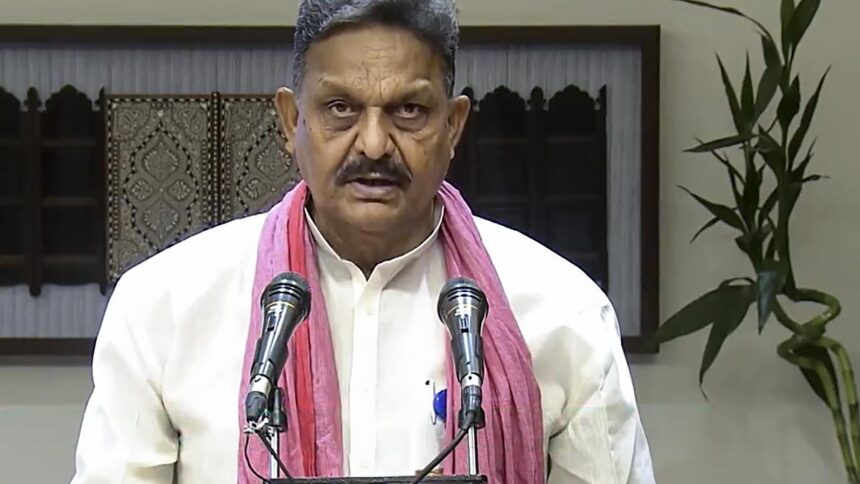
On June 21, 2026, Ghazipur MP Afzal Ansari and other Muslim MPs raised alarms over what they described as one-sided governmental actions, particularly concerning demolitions linked to encroachment claims on Muslim heritage sites. Ansari articulated that these actions infringe on religious and cultural rights, prompting significant concern within the Muslim community. He noted that such measures provide external adversaries, including Pakistan, the opportunity to criticize India’s treatment of its minorities. “Muslims of India need no lessons from Pakistan’s President,” he asserted, asserting the community’s capability to manage its own affairs within India’s constitutional framework.
International Reactions and Domestic Sovereignty
Asif Ali Zardari’s comments on the potential threats to the Masjid Ganj Shaheeda created ripples across the political landscape in India. He emphasized the need for India to halt actions that could harm minority rights and cultural heritage, framing them as detrimental to the nation’s integrity. Javed Ali Khan, a member of the Rajya Sabha from the Samajwadi Party, countered Zardari’s assertions by stating that foreign leaders should refrain from commenting on India’s internal affairs. Khan reminded that the Muslim community possesses the means to address grievances through established democratic processes, and that international criticism only serves to undermine India’s sovereignty.
The Domestic Narrative and Its Implications
The narrative surrounding minority rights and heritage protection has garnered significant attention within India, not only within political circles but also among civil society and various advocacy groups. Congress National Secretary Shahnawaz Alam remarked that actions taken by the government appear to reinforce Pakistan’s narrative regarding religious freedom in India. Alam pointed out that the government must adhere to constitutional ideals that promote cultural rights and religious freedom to foster a pluralistic societal fabric. Without addressing these concerns, India risks being positioned unfavorably on international platforms regarding minority rights.
Why It Matters
This discourse is significant on multiple levels: it highlights the ongoing challenges faced by minority communities in India, including economic boycotts and social exclusion, that can arise from government actions perceived as discriminatory. The situation underscores the delicate balance between national sovereignty and cultural protection, as well as the potential international ramifications of domestic policies. Through this lens, stakeholders—including policymakers, community leaders, and international observers—may better understand the complex socio-political landscape that influences community dynamics in a rapidly evolving democracy.
Frequently Asked Questions
What are the recent actions prompting concern among Muslim MPs in India?
Muslim MPs in Uttar Pradesh have raised alarms over state actions perceived as discriminatory towards historical Muslim sites, specifically regarding demolitions linked to encroachment claims.
What did Pakistan’s President Asif Ali Zardari say about India?
President Zardari expressed deep concern about demolitions of historic Muslim sites in India, urging India to halt such actions and protect minority rights.
How have Indian lawmakers responded to foreign comments on domestic issues?
Lawmakers, such as Javed Ali Khan, have emphasized that foreign leaders should abstain from commenting on India’s internal matters, asserting the country’s sovereignty and democratic processes.
What implications do these discussions have for India’s image internationally?
The ongoing discourse around minority rights and heritage protection can influence how India is perceived on the global stage, especially concerning religious freedom and communal harmony, possibly feeding into narratives crafted by external adversaries.