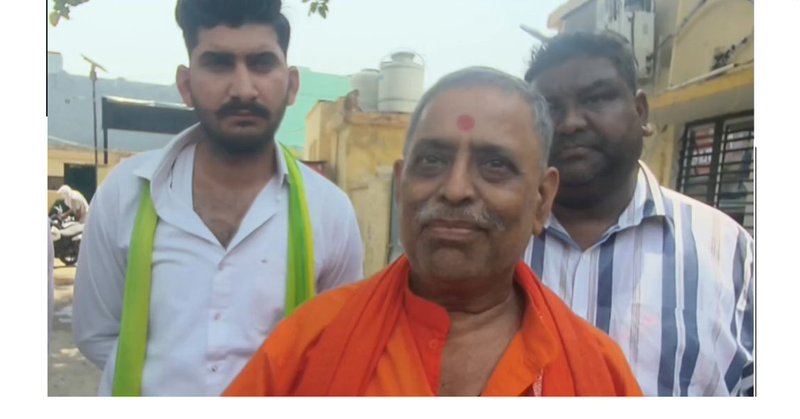

The recent allegations surrounding the Ayodhya temple fund raise serious concerns about the management of donations and transparency. Gyanesh Kumar, the current Election Commission of India (ECI) official, has come under scrutiny for his past role as an ex-officio member of the Shri Ram Janmbhoomi Teerth Kshetra Trust, amid claims of mismanagement and embezzlement of funds intended for the Ram temple. Former kar sevak Dubey echoed these grievances, labeling the temple’s management as being “in the hands of thieves.”
Context of the Allegations
The Ram temple in Ayodhya has long been a focal point of political and religious fervor in India. Following the Supreme Court’s ruling in 2019, which allowed the temple’s construction on disputed land, significant donations poured in from various quarters. Gyanesh Kumar, who has been criticized for his involvement in the Trust, now faces questions regarding the transparency of these transactions. The former kar sevak’s claims point towards a deeper issue of financial oversight within the Trust that was set up to manage the funds for the temple’s construction.
Claims of Mismanagement
According to Dubey, the mismanagement has been ongoing since at least 2003-04. His anger stems from a perceived lack of accountability regarding the funds that have been earmarked for the temple, which he claims have been diverted or mishandled. As more individuals come forward to voice their concerns, Dubey’s actions reflect a critical turning point where public sentiment may lead to demands for accountability. Currently, there are three complainants who have reportedly submitted letters to the police, although no FIR has been filed as of yet.
Public Reaction and Political Ramifications
The conversation around the Ram temple funds is not just about finances; it has broader implications for religious trust and national integrity. Many supporters of the temple view these allegations as an attack on a sacred cause, while critics see it as an opportunity to question the governance of religious institutions in India. The political ramifications could be profound; as the allegations unfold, they may influence public opinion and voter sentiment as elections approach in various states, directly impacting the Bharatiya Janata Party (BJP) and its support base.
Why This Matters
The allegations surrounding the Ayodhya temple fund hold significant political weight in India. The temple has become a symbol of Hindutva politics and serves as a cornerstone of the BJP’s narrative. If the allegations of mismanagement and embezzlement gain traction, they could undermine the trust not only in the temple management but also in the political figures associated with it, particularly the BJP. This could have cascading effects on electoral outcomes, given the ongoing discourse about accountability and transparency in governance amidst rising populism and nationalism.
Frequently Asked Questions
What is the main allegation against Gyanesh Kumar?
The main allegation is that Gyanesh Kumar, as an ex-officio member of the Shri Ram Janmbhoomi Teerth Kshetra Trust, may have been involved in the mismanagement and embezzlement of funds intended for the Ayodhya temple.
Who is Dubey, and what are his claims?
Dubey is a former kar sevak who has publicly expressed his displeasure about the management of funds for the Ram temple. He claims that the temple is mismanaged and describes the current custodians as “thieves.”
What is the current status of the complaints made?
As of now, three individuals have submitted complaints at the Ram Janmbhoomi police station; however, no FIR has been filed yet.
Why are these allegations politically significant?
The allegations are politically significant as they could potentially damage the credibility of the BJP, especially as the Ram temple is a key issue for its supporters. The unfolding situation might sway public opinion and affect upcoming elections.