
Summary
The U.S. Immigration and Customs Enforcement (ICE) agency plans to significantly expand its detention capacity, with a target of 92,600 beds by the end of fiscal year 2026. However, concerns about health and safety conditions in these facilities are surfacing, particularly in light of a recent lawsuit highlighting harsh living conditions and insufficient medical care, exemplified by the case of Jose Ramos, who died shortly after his detention.
Rapid Expansion of Detention Facilities
ICE has been actively increasing its capacity by contracting with private companies and acquiring large-scale detention centers designed to hold up to 10,000 individuals. These moves reflect a broader strategy to manage immigration enforcement more aggressively. A recent document outlines plans for a nearly double increase in bed capacity within just a few years.
Concerns Over Health and Safety Standards
While ICE maintains that it adheres to health and safety standards superior to those of many prisons housing U.S. citizens, critics are skeptical. A spokesperson emphasized that, as bed space has expanded, the quality of medical care provided remains high. However, the Ramos family and others argue that conditions in facilities like the Adelanto ICE Processing Center are critically inadequate. Reports of mold infestations, lack of sufficient medical care, and a high incidence of illness raise alarms about the treatment of detainees.
The Case of Jose Ramos
Jose Ramos’s experience highlights the grim reality for many detainees. After his arrest in February 2023 during a raid in Torrance, California, Ramos was transferred to Adelanto, where pre-existing health issues such as diabetes and hypertension were noted. Despite his need for regular medication, family members reported that these needs were inadequately addressed. The conditions at Adelanto were described by Ramos’s lawyer, Jesus Arias, as life-threatening, citing that the harsh environment could have directly contributed to Ramos’s death.
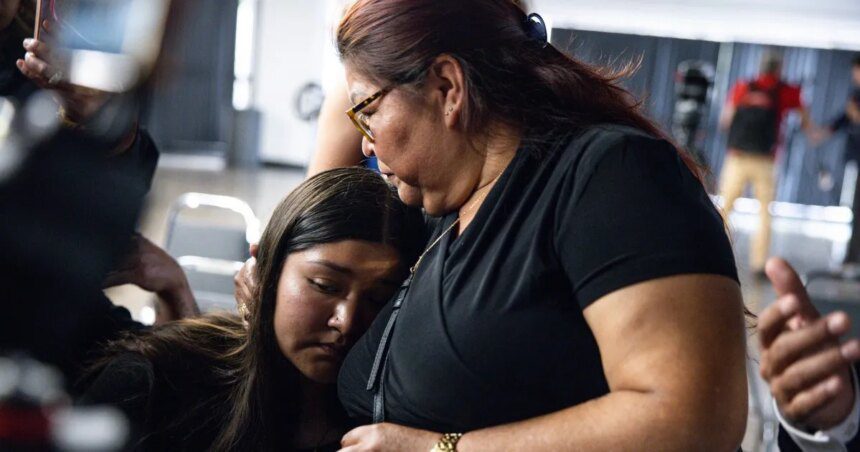
Ramos’s family noted that he felt dehumanized during his detention and felt compelled to rely on external financial support to afford adequate food. His partner, Tovar, recounted how Ramos described his surroundings, indicating that they affected his mental and physical well-being, leading him to feel more like an “animal” than a detainee.
What This Means
This situation has broader implications for the international community, particularly in countries like India, where many individuals may seek to migrate to the United States. The alarming reports of health and safety standards in ICE detention facilities raise questions about the treatment of migrants worldwide. For Indians considering immigration, this underscores the importance of understanding the complexities of U.S. immigration policies and the realities of detention once they arrive. It also highlights the ongoing global challenges related to the treatment of migrants and the need for reform in how nations handle immigration enforcement.
Frequently Asked Questions
What are the living conditions like in ICE detention centers?
Although ICE claims to maintain high standards of care, reports indicate that conditions can be harsh, with issues like poor sanitation, inadequate medical care, and limited access to nutritious food.
How does the U.S. government plan to manage increasing immigration issues?
To manage increasing immigration, the U.S. government is expanding its detention capacity, aiming for 92,600 beds by the end of fiscal year 2026, while also enforcing stricter immigration policies.
What can families do if a member is detained by ICE?
Families can seek legal assistance, communicate with the detained individual to assess their needs, and possibly send money for purchasing food and essential items through approved services.
Are there alternatives to detention for immigrants?
Yes, there are alternatives such as community-based programs or monitoring systems that allow individuals to remain in the community while their immigration cases are processed. Advocacy groups continuously push for more humane treatment of detainees.