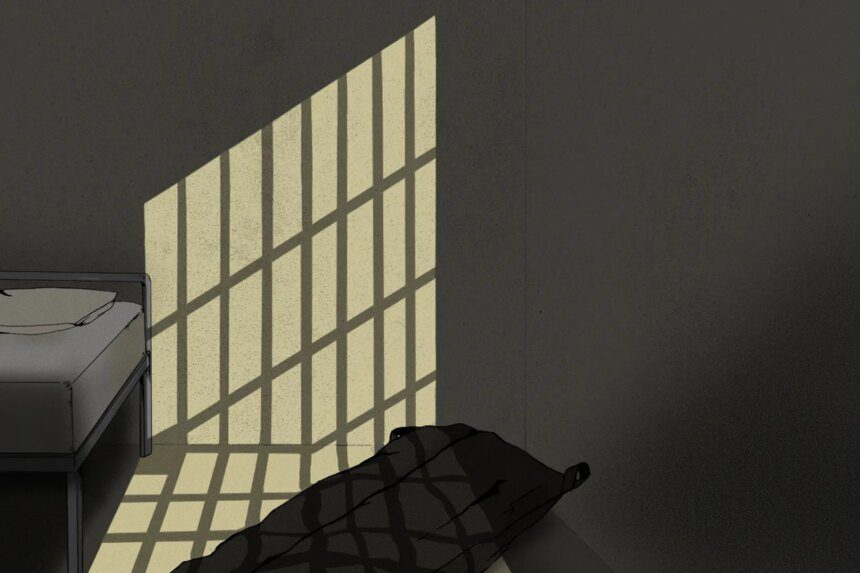

Summary of an Injustice
The harrowing experience of Peter Rusch, a mentally ill inmate in solitary confinement, underscores the systemic failures in handling mental health issues within prison systems. In an environment designed to rehabilitate, Peter faced neglect and hostility instead, resulting in a near-fatal suicide attempt. This situation shines a light on the broader issues of mental health, inadequate treatment, and the treatment of inmates in institutions, both in the US and India.
The Isolation of Ad-Segregation
Peter Rusch was housed in administrative segregation (ad-seg), a form of solitary confinement, which is often employed in prisons to isolate inmates who are deemed a threat or have violated rules. For Peter, this physical separation also became a mental burden. He had already been struggling with mental health challenges prior to being confined. In many Indian prisons, similar practices can be found, where inmates with mental health issues are isolated, sometimes leading to detrimental outcomes.
Once placed in ad-seg, Peter was left with little support. He was forced to navigate a chaotic system without legal or mental health aid. Such practices raise ethical questions about the treatment of vulnerable populations. Reports from India indicate that prisoners often face neglect, with inadequate access to mental health professionals, making the situation dire for those already in distress.
A Dangerous Encounter
The day Peter attempted to reach out for help, he faced further hostility from custodial staff. After being denied access to a kiosk necessary for communication, he expressed his mental anguish by stating his desire to end his life, a moment that should have triggered immediate intervention and support. Instead, he was met with ridicule from an officer, culminating in a series of events that led to his attempted suicide.
This tragic encounter raises vital questions about the protocols in place for dealing with mental health crises in prison. A pattern of neglect can lead to violent outbreaks resulting from untreated mental illness, and in many Indian prisons, similar neglect is rampant. Mental health services are often underfunded, and many facilities lack the necessary policies to ensure the well-being of inmates, particularly those diagnosed with mental conditions.
The Consequences of Indifference
Following his suicide attempt, Peter was treated violently by the very staff that should have been providing care. Instead of receiving compassionate support, he faced a physical confrontation that only exacerbated his trauma. This shocking response paints a grim picture of how the prison system can demonize those who are vulnerable rather than support them.
Instances like Peter’s are not isolated. Around the world, the treatment of mentally ill inmates raises serious ethical questions about human rights. In India, where overcrowding and lack of resources are prevalent in prisons, the need for reform has never been more urgent. The case of Peter Rusch serves as a powerful reminder of the humanity that must not be lost in the penal system.
What This Means
The situation highlighted in Peter Rusch’s story is a reflection of a global issue—how society cares for its most vulnerable populations, especially those with mental health challenges. In India, where incarceration rates and mental health issues intersect tragically, there is an imperative to improve mental health care in prisons. Reform must include better training for prison staff and greater access to mental health professionals. Ensuring that inmates receive compassionate treatment rather than punitive measures could create a safer, more humane environment, ultimately benefiting society at large.
Frequently Asked Questions
What happened to Peter Rusch?
Peter Rusch was placed in solitary confinement after being accused of possessing contraband. During his time there, he faced neglect and hostility from prison staff, culminating in a suicide attempt that raised serious concerns about the handling of mental health issues in the prison system.
How are mentally ill inmates treated in Indian prisons?
Mentally ill inmates in India frequently encounter significant neglect, often lacking access to necessary mental health services. Overcrowding, inadequate funding, and poorly trained staff contribute to a harsh environment that fails to meet their needs.
What are the implications of solitary confinement for mental health?
Solitary confinement can severely exacerbate mental health issues, leading to heightened anxiety, depression, and psychological distress. Research has shown that the impact of isolation can be detrimental, sometimes resulting in severe mental health crises.
What reforms are needed in prison systems regarding mental health?
Reforms should focus on better training for prison staff, increased access to mental health professionals, and the implementation of protocols that prioritize inmate welfare over punitive measures. Building a system rooted in rehabilitation rather than punishment is crucial for effective mental health management.