
Summary
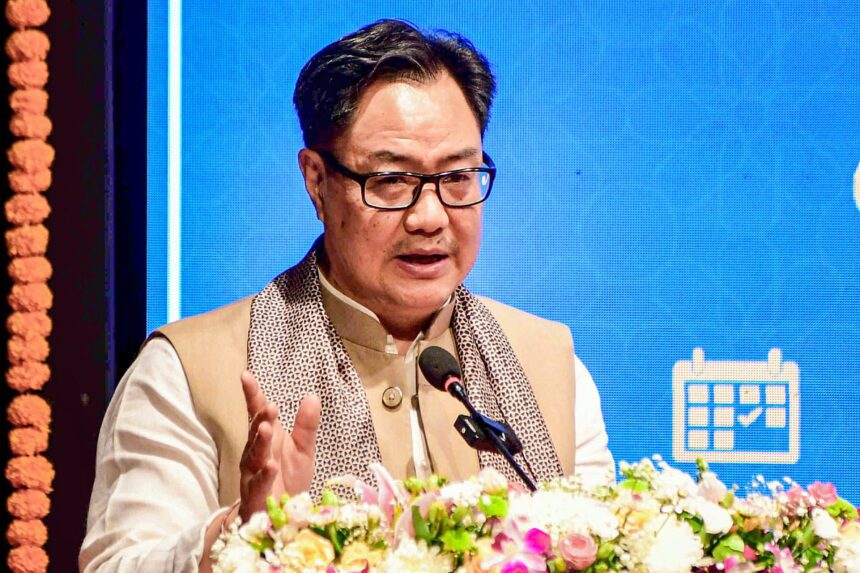
Union Minister for Minority Affairs Kiren Rijiju recently highlighted the anticipated growth of India’s Muslim population, potentially nearing that of Indonesia’s, based on delayed Census data. In a context marked by demographic shifts, Rijiju underscored national unity, while also addressing the challenges faced by smaller minority communities, particularly the Parsis, amidst concerns of rising discrimination under the current political climate.
Diverse Demographics and Community Concerns
As India awaits the release of its Census data, projections indicate significant demographic changes, particularly concerning the Muslim population. Rijiju stated that the Muslim demographic could be comparable to that of Indonesia, the country with the largest Muslim population globally. He emphasized that irrespective of community size, all citizens must be recognized as Indians, reinforcing the government’s narrative of unity.
Despite this assertion, many minority communities remain apprehensive about their status within India, particularly after years of political rhetoric from the ruling Bharatiya Janata Party (BJP) and its ideological parent, the Rashtriya Swayamsevak Sangh (RSS). These organizations have often been accused of fostering a national identity that marginalizes non-Hindu communities, particularly Muslims and Christians.
Challenges Facing Minority Communities
The Parsi community in India, comprising only about 52,000 to 55,000 individuals, exemplifies the challenges faced by smaller minority groups. Rijiju noted the government’s commitment to protect this community from further decline, which has sparked discussions on the need for broader protective measures across all minority sectors.
However, the minister dismissed claims that minorities are under threat, attributing concerns to political maneuvers that he believes generate unwarranted fear among marginalized populations. Nonetheless, critics argue that this narrative downplays the growing instances of social exclusion, discrimination, and economic boycotts affecting Indian Muslims and other minority groups.
Discussions surrounding the alleged threats to minority rights have gained urgency, especially in light of cases where individuals have faced economic ostracization due to their religion. Reports of boycotts and social polarization in various states raise questions about the government’s commitment to equality and justice for all citizens.
The Role of Politics in Social Unity
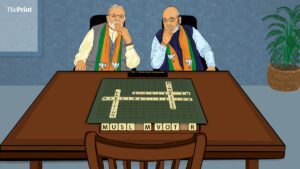
Amidst these demographic discussions, Rijiju highlighted the BJP’s political successes, particularly in West Bengal, where he associated the party’s victory with enhanced national security, primarily concerning illegal migration from Bangladesh. This narrative is intertwined with the BJP’s broader agenda, which often frames issues of national security within a context that perpetuates the marginalization of Muslim communities.
The minister indicated that the new state administration would address illegal migration and implement central schemes such as the National e-Vidhan Application that were reportedly neglected under the previous governance. However, critics remain skeptical that these political changes will lead to real inclusivity or address the social fabric’s underlying tensions.
Why It Matters
This discourse surrounding India’s demographics and the treatment of minority communities is significant for understanding the ongoing socio-political landscape in the country. The rise in key demographics impacts economic policies, social welfare initiatives, and the stability of communal relations. As the government implements various schemes and promotes national unity, the responses from minority groups will influence political dynamics, shaping future alliances and electoral strategies. For developers and businesses, these shifts highlight the importance of being sensitive to social issues that can impact market dynamics and community engagement.
Frequently Asked Questions
What is the significance of the delayed Census in India?
The delayed Census has caused uncertainty regarding the accurate demographic data of various communities. Without updated figures, policies and resource allocation may not address the needs of growing populations, particularly among minorities.
How has the government’s narrative affected Muslims in India?
The government’s narrative, often emphasizing a Hindu-nationalistic identity, has led to concerns among Muslims about their status and rights within India. Many feel marginalized and subject to discrimination in various aspects of life.
What steps is the government taking to protect minority communities?
The government has indicated its commitment to safeguarding smaller minorities like the Parsi community, though critics argue that broader protections are necessary to ensure equal rights and social inclusion for all minorities, including Muslims.
What are the implications of the BJP’s political success for minority rights?
The BJP’s political success, especially in regions with diverse demographics, raises concerns about the potential erosion of minority rights, as its policies may favor a majoritarian perspective. This could lead to further social division and conflict if not addressed appropriately.