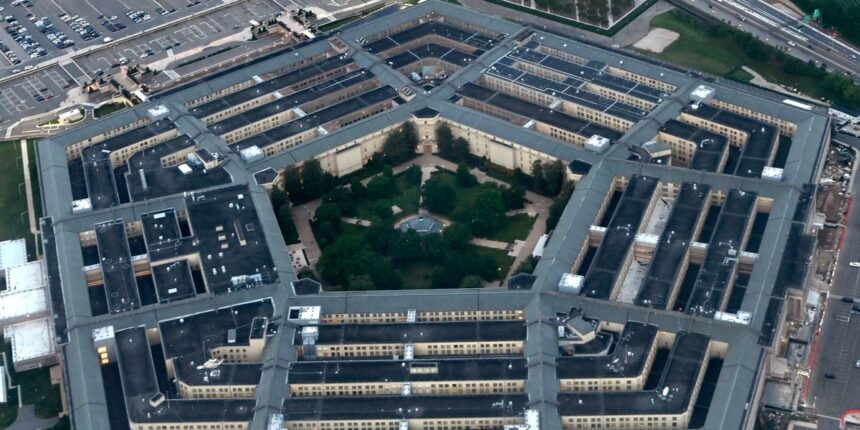

The recent dissemination of an AI-generated image falsely suggesting an explosion at the Pentagon highlights the urgent need for addressing the spread of misinformation. Local authorities confirmed there was no such incident, underscoring the potential dangers of AI’s influence on public perception.
Context of the Incident
On Monday, a fabricated image depicting black smoke near the Pentagon made waves on social media, especially on Twitter. This image was propagated by numerous accounts, some bearing the ‘blue tick’ verification mark, which typically indicates reliability. The Arlington Fire and Emergency Medical Services quickly responded, clarifying that there was no explosion or incident at the Pentagon, aiming to dispel the panic fueled by the AI-generated visuals. This incident draws attention to not only the power of AI technology but also how easily misinformation can spread, especially when amplified by seemingly verified accounts.
The Role of AI in Misinformation
Artificial intelligence is increasingly used to create realistic images and videos, blurring the lines between fact and fiction. In the case of the Pentagon image, experts and social media users quickly identified it as AI-generated. They noted discrepancies in the image, such as the unnatural merging of the building’s structure and surrounding elements. Notably, many verified users took it upon themselves to debunk the misinformation, showcasing the community’s responsibility in counteracting false narratives. This incident serves as an important case study in understanding the implications of AI-generated content.
Consequences of Misinformation
The aftermath of the Pentagon incident saw a notable drop in stock prices, reflecting the immediate economic repercussions that misinformation can have. A similar scenario occurred last year with Eli Lilly when a false tweet claiming “insulin is free” caused their stock to plummet. Such instances reveal that misinformation can have real-world consequences, affecting financial markets and public trust in institutions. Additionally, this incident raises concerns about public safety during actual emergencies, where the proliferation of fake news can hinder effective communication and response strategies.
Why This Matters
This situation is particularly relevant for Indian readers, as misinformation is also rampant in India, often exacerbated by the diverse languages and cultural contexts in the country. The rise of AI tools enhancing misinformation poses a significant threat not only to political narratives but also to public safety. Recent political developments in India underline the need for discernment in news consumption and emphasize the importance of identifying credible sources, particularly given the frequent use of social media as a primary news outlet. Lawmakers and educators must address the challenges posed by misinformation, developing mechanisms to enhance media literacy among the public.
Frequently Asked Questions
What caused the misinformation about the Pentagon explosion?
The misinformation originated from an AI-generated image shared on social media, which falsely depicted an explosion near the Pentagon. This image was further spread by some verified accounts, creating public alarm.
How did authorities respond to the reports?
The Arlington Fire and Emergency Medical Services promptly released a statement confirming there was no explosion at the Pentagon, reassuring the public of their safety.
What are the implications of AI-generated misinformation?
AI-generated misinformation can lead to public panic, affect stock markets, and create challenges in crisis communication. It raises concerns over trust in news and the reliability of sources during emergencies.
Why should Indian readers be concerned about this issue?
Similar misinformation trends are seen in India, affecting political discourse, public trust, and emergency responses. Understanding how to identify credible information sources is crucial for the Indian populace.