
In a recent debate on Times Now, BJP spokesperson Nupur Sharma made controversial remarks that have ignited a backlash, including death threats against her. This incident has raised questions about the role of media in fostering communal tensions and has highlighted the responsibilities of public figures in how they communicate sensitive topics related to religion.
Context of the Debate
The incident took place during a heated debate on Times Now, where Nupur Sharma was trying to counter criticisms of Hindu beliefs by making derisive remarks about Islamic doctrines. In particular, she faced backlash for referencing sensitive historical figures and events in an inflammatory manner. The debate quickly escalated, with Sharma’s comments prompting accusations of communal hate from other participants, as well as social media users. The show’s anchor, Navika Kumar, did not intervene, which some critics see as an endorsement of Sharma’s views.
Backlash and Threats
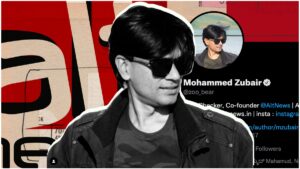
Following her remarks, Sharma claimed she received numerous death and beheading threats aimed at her and her family. She directed her grievances to the Delhi Police, asserting that the threats were incited by Mohammed Zubair, co-founder of Alt News, who tweeted a clip of her comments to call attention to communal hate speech. In her complaint, Sharma stated that Zubair’s actions were meant to create a “fake narrative” surrounding her statements.
The Role of Media and Public Figures
This incident raises critical issues regarding the media’s responsibility to moderate discussions on religion and politics. The role of anchors and moderators, like Navika Kumar, is crucial in ensuring that debates do not spiral into hate speech. Critics have pointed to this case as an example of how sensational reporting can contribute to the polarization of society and incite further division along communal lines. It also opens a larger dialogue about how public figures should be held accountable for their words and the potential consequences they may ignite.
Why This Matters
The incident is emblematic of the rising tensions surrounding communal discourse in India, especially in the context of the political landscape dominated by the BJP. As public figures like Sharma and Zubair navigate these complex discussions, the implications for societal harmony become significant. The use of media platforms to amplify divisive rhetoric poses a risk of escalating communal violence, a concern that has been a recurring issue in Indian society. Understanding this dynamic is vital for Indian readers, as it affects not just political dialogue but also social cohesion.
Frequently Asked Questions
What sparked the controversy involving Nupur Sharma?
Nupur Sharma’s remarks during a Times Now debate, which included derogatory comments about Islamic beliefs, ignited widespread criticism and controversy, leading to threats against her life.
Who is Mohammed Zubair?
Mohammed Zubair is the co-founder of Alt News, a fact-checking organization in India. He gained attention for highlighting Sharma’s comments in a tweet that criticized her for promoting communal hatred.
What has the media’s response been to this incident?
The media response has been mixed, with some defending Sharma’s right to express her views and others condemning the incendiary nature of her comments. The role of anchors in moderating such debates has also been scrutinized.
What are the broader implications of this incident?
This incident reflects ongoing challenges in managing communal dialogue in India, shedding light on how speech related to religion can provoke violence and disrupt social order, raising questions about the responsibilities of public figures and media outlets.