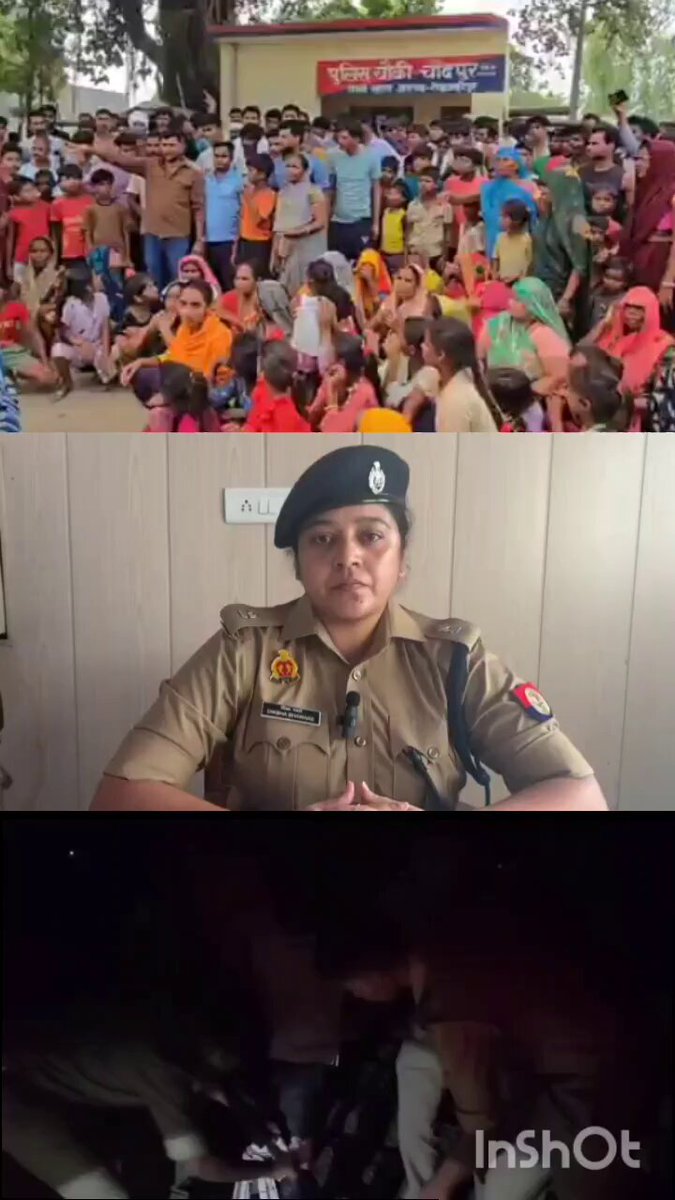

A village pradhan in Shahjahanpur, Uttar Pradesh has sparked controversy by rallying local residents in support of Guddu Sharma, the man accused of raping a one-year-old girl. The situation escalated to a point where police had to lathi-charge the mob to disperse them after the incident, raising serious questions regarding public sentiment toward sexual violence and legal justice in the region.
Incident Overview
The horrific incident reportedly took place in the Khutar police station area of Shahjahanpur, where Guddu Sharma was arrested following allegations of sexually assaulting a one-year-old girl. The police apprehended Sharma during what has been described as an encounter, a term often used in India to describe shootouts between police and suspects, although the specifics of this encounter were not detailed in available reports.
In a shocking turn of events, a local village pradhan (a head of the village) gathered local residents to protest in favor of the accused, suggesting a deeply ingrained social mindset that prioritizes community ties over justice for victims of sexual violence.
Local Response
The village pradhan’s rally drew significant attention and concern, highlighting the community’s troubling attitudes towards serious crimes like rape. By rallying in support of the accused, local leaders not only undermine the gravity of such cases but also potentially influence public opinion in a way that might deter victims from coming forward.
The police’s response, which included a lathi charge to disperse the gathering, indicates the volatile nature of the situation and the tensions present within the community. This raises further concerns about law enforcement’s challenges in maintaining order when public sentiment may be aligned with protecting the accused rather than seeking justice for victims.
Broader Societal Implications
This incident sheds light on the cultural context in which sexual violence operates in India. Despite significant outcry and efforts to reform laws around sexual assault, local traditions and relationships can profoundly impact how such cases are perceived and handled at the community level.
The pradhan’s actions suggest a larger issue of complicity that often arises in cases of sexual violence, wherein community leaders may seek to rally support for the accused based on social ties or fear of social stigma. Such attitudes can hinder not only legal proceedings but also the broader societal effort to combat sexual violence and support survivors.
Why This Matters
The Shahjahanpur incident is emblematic of the ongoing struggle within India to confront and effectively address sexual violence. It raises crucial questions about gender dynamics, social responsibility, and the influence of local leaders on justice outcomes.
In a country where laws against sexual assault have been tightened in recent years, the support shown for the accused in this case underscores a dissonance between legal frameworks and societal attitudes. This incident could potentially influence public policy discussions and foster greater awareness of the necessary evolution in societal attitudes towards victims of sexual crimes.
Frequently Asked Questions
What happened in Shahjahanpur?
Guddu Sharma was arrested for allegedly raping a one-year-old girl. Following his arrest, a village pradhan gathered locals in support of the accused, prompting police action to disperse the crowd.
What is the significance of the village pradhan’s actions?
The village pradhan’s rally demonstrates a troubling alignment of community loyalty with individuals accused of heinous crimes like sexual assault, potentially undermining justice for victims.
What actions did the police take in response to the protest?
Police used lathi charges to disperse the mob gathered in support of the accused after concerns about public safety and order escalated.
Why is this incident important for Indian society?
This incident highlights ongoing challenges faced in combating sexual violence in India, revealing the complex interplay between cultural attitudes, community dynamics, and the legal system in addressing such crimes.