
Recent events in West Bengal highlight the ongoing tensions and violent incidents exacerbated by communal strife, particularly impacting marginalized communities. Following the tragic gang-rape and murder of an 11-year-old girl, mob violence erupted, resulting in significant arrests and raising serious concerns about justice, social unrest, and communal relations in the region.
Timeline of Events: A Community in Turmoil
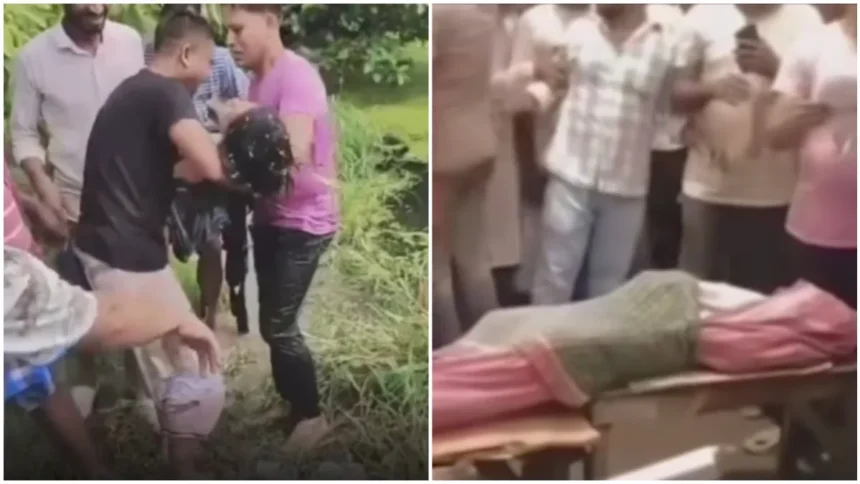
The distressing narrative began on July 4, when an 11-year-old girl from Baruipur went missing while attempting to purchase a birthday gift. Her disappearance quickly escalated into a tragedy when her body was discovered the next day. This horrendous incident spurred local anger, leading residents to lynch an individual named Indrajit Mondal, whom they deemed responsible for the crime. The backlash not only resulted in his death but also triggered widespread protests that led to assaults on police and the vandalism of public property.
In an effort to restore order, the Baruipur Police have since arrested a total of 35 people involved in the mob violence. Over the course of Thursday night, five additional arrests were made. According to senior police officials, raids continue as they seek to apprehend all individuals connected to the unrest, focusing on both the direct and indirect roles of the accused.
The Aftermath: Legal and Societal Ramifications
Authorities have registered two significant cases in the wake of this incident: one concerning the lynching of Indrajit Mondal and another focusing on the violence directed against police personnel and the destruction of public property. The ongoing investigations employ technical evidence, including video footage, to identify more suspects involved in the violent protests. A police officer emphasized the severity of attacking officials and damaging public resources, stating that strict legal repercussions will follow for anyone found culpable.
In a troubling twist, West Bengal’s Chief Minister Suvendu Adhikari later confirmed that Mondal was indeed innocent of the crimes attributed to him and announced that those responsible for his lynching would face murder charges. The police have apprehended four individuals linked to the main rape and murder case, although one suspect was killed during an alleged attempt to disarm police officers during a subsequent crime scene reconstruction.
Wider Context: Social Exclusion and Marginalization
This incident underscores the broader social tensions and challenges facing marginalized communities, particularly Indian Muslims, in the current political climate. The rise of the Bharatiya Janata Party (BJP) and affiliated groups is often viewed as contributing to escalating communal divides. Such scenarios not only highlight systemic issues related to safety and justice for minority communities but also raise concerns over the functioning of law enforcement.
As tensions mount and incidents of violence become more prevalent, the implications for social cohesion are severe. The public’s outcry for justice reveals a growing frustration with perceived inactions and biases in the justice system. For many in affected communities, the risks to safety are magnified by the narratives surrounding law enforcement, which may disproportionately target certain groups based on their faith or socio-economic standing.
Why It Matters
The implications of this incident extend beyond the immediate community, signalling potential long-term consequences for societal trust and governance in India. The interaction between law enforcement and community members, particularly from marginalized backgrounds, is critical. When incidents like this occur, they can further erode confidence in the justice system and fuel cycles of violence and retribution.
This situation also raises essential questions about political accountability in addressing communal tensions and the justice system’s capacity to respond effectively. As national and international observers continue to monitor the developments, understanding these dynamics is crucial for fostering a more equitable society.
Frequently Asked Questions
What led to the mob violence in Baruipur?
The mob violence was triggered by the gang-rape and murder of an 11-year-old girl, which resulted in locals lynching a man they suspected of the crime, ultimately leading to widespread protests and violence against police.
How has the government responded to the incident?
Authorities have arrested a total of 35 individuals in relation to the mob violence and have confirmed they are continuing to pursue additional suspects through ongoing investigations.
What are the legal implications for those involved in the lynching of Indrajit Mondal?
West Bengal’s Chief Minister announced that those responsible for the lynching will face murder charges, further highlighting the seriousness of mob justice and its consequences.
How does this incident reflect broader societal issues in India?
The incident reveals ongoing communal tensions and highlights the systemic challenges faced by marginalized communities in India, particularly in the context of rising communalism and disproportionate targeting by law enforcement.