
Aden, Yemen is grappling with a severe electricity crisis that significantly alters the daily lives of its residents. The power cuts, lasting for hours, disrupt educational activities, healthcare services, and ordinary living, especially during the scorching summer months.
Electricity Crisis Deepens in Aden
Aden, a coastal city in Yemen, faces a prolonged electricity crisis that has worsened since the onset of conflict in 2015. Historically, before the war, only 55% of the population had access to electricity from all sources, a rate among the lowest in the Middle East and North Africa. Now, due to damage to infrastructure, dwindling fuel supplies, and aging power systems, the situation is dire. Recent assessments from the International Monetary Fund indicate that residents are receiving only two to six hours of electricity daily, leaving them vulnerable to the oppressive heat.
As residents struggle with the unpredictability of power supply, entire segments of daily life have changed. When the power goes out, homes may become stifling, causing families to flock to the beaches in search of relief from the heat. Children play in the streets as their homes transform into uncomfortable spaces due to the absence of fans and air conditioning.
Impact on Education and Health Services
The ongoing power outages have notably affected education in Aden. The United Nations Development Programme has documented over 7,000 students experiencing significant challenges in dark, humid classrooms. The situation is compounded by the heat, which makes studying nearly impossible. In response, some schools have begun utilizing solar energy systems, although they remain the exception rather than the rule.
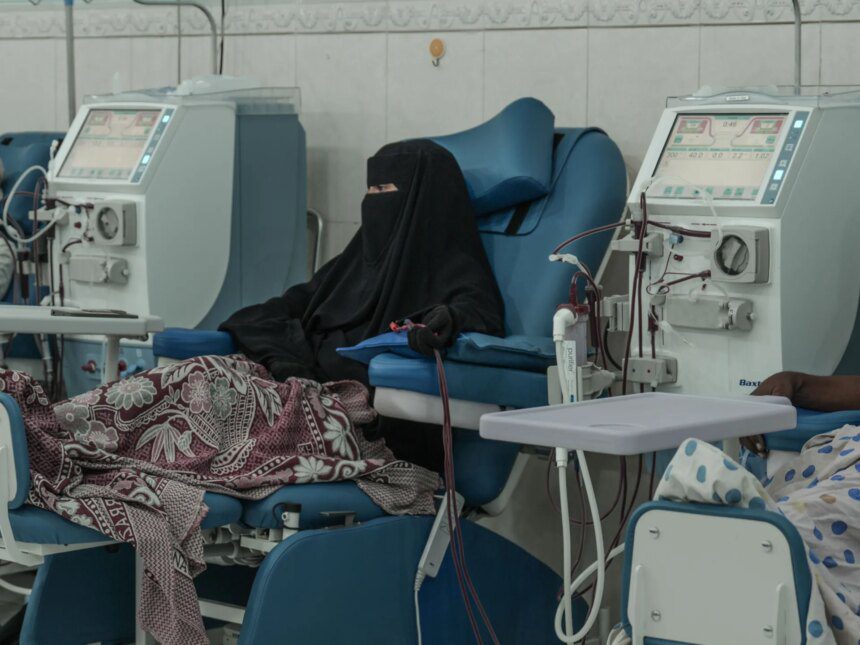
Healthcare facilities in Aden also bear the brunt of the power crisis. Essential medical services such as surgeries, dialysis, and intensive care rely on continuous electricity. The World Health Organization has reported that unreliable power supply disrupts critical health services, forcing hospitals to rely on makeshift solutions ranging from generators to solar panels. The organization supplied over 4.33 million liters of fuel to 177 health facilities in 2025 alone, highlighting the dire state of electrical resources.
Resident Adaptations and Innovations
In the face of these challenges, many residents of Aden have turned to solar power as a stop-gap solution. More than half of Yemeni households now use some form of solar energy, which has become an essential part of their daily lives. With the cost of solar panels and batteries on the rise, families are finding ways to adapt, although resources remain limited.
For families who can afford larger systems, a welcoming change occurs—appliances can be powered again, offering a fragile respite from extended outages. However, many households still struggle with insufficient power supplies, often limited to charging a phone or running a single fan. This dependency on solar energy means that people must plan their lives around electricity availability.
What This Means
The situation in Aden serves as a critical reminder of the links between energy access and quality of life, resonating deeply in India, a country experiencing its own challenges with rural electrification and energy distribution. Just as Aden’s residents adapt to ongoing power crises, communities in India grapple with similar issues of energy insecurity. This chronological parallel illuminates the importance of investing in sustainable energy solutions, such as solar power, which could support India’s development agenda while considering the climate emergency.
Frequently Asked Questions
What are the primary causes of the electricity crisis in Aden?
The electricity crisis in Aden stems from historical factors such as infrastructural damage during the ongoing conflict, fuel shortages, and outdated generation and distribution systems.
How are residents coping with frequent power outages?
Residents have adapted by spending time at the beach or in the streets. Many have turned to solar power as a short-term solution to their electricity needs, although not all homes can afford the systems.
What impact do power cuts have on education in Aden?
Power cuts have severely affected students and teachers, with many struggling in dark and uncomfortable classrooms. Initiatives to install solar systems in some schools offer a glimpse of relief, but many schools still lack basic electricity.
How does the electricity crisis affect healthcare services?
Power outages disrupt critical health services in hospitals, affecting surgeries, dialysis, and intensive care. Facilities often rely on generators and solar systems, but limitations still hinder the ability to deliver prompt medical care.