
Summary
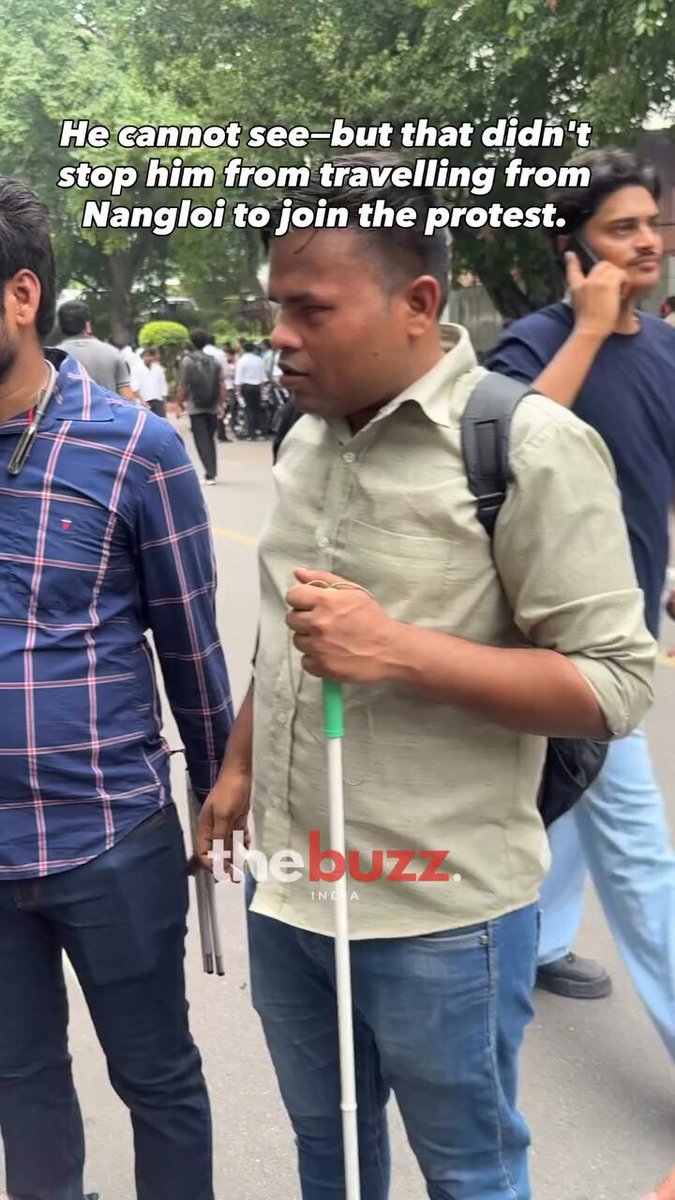
A visually impaired protester made the significant journey from Nangloi to Jantar Mantar to join an ongoing protest, aiming to lend his voice to the cause. His presence has garnered attention, showcasing not only his determination but raising questions about how certain political figures may label grassroots participants in the protest, specifically regarding accusations of “foreign funding” and being “anti-national.”
Context of the Protest
Protests at Jantar Mantar in New Delhi often serve as a focal point for various societal issues in India. Recently, the significance of these demonstrations has increased, with citizens rallying around diverse concerns ranging from policy changes to social justice. The involvement of a visually impaired individual is particularly poignant, underscoring the broad spectrum of society affected by these issues and the determination of individuals to engage in civic actions despite personal challenges.
This protest highlights a growing trend of inclusiveness in social movements, encouraging participation from all walks of life. Individuals with disabilities often face additional barriers to participation, yet the presence of such activists can inspire others and inject fresh energy into causes.
The Role of Online Narratives
The reference to BJP IT cell members, such as @Mrsinha, @rishibagree, and @vijaygajera, highlights the political climate surrounding protests in India. In recent years, social media has become a battleground for narratives. Supporters and opponents of various political ideologies leverage these platforms to shape public perception, often labelling dissenters unfairly.
The prospect of this visually impaired protester being branded as a “foreign funded anti-national” by political figures illustrates a concerning tactic used to delegitimize opposition. This rhetoric can lead to adverse reactions against activists, not only affecting their personal lives but also discouraging others from expressing dissent.
The use of terms like “foreign funding” has become a common method to discredit participants in protests, aiming to create divisions within society and rally support for those in power by painting dissenters as untrustworthy.
Commitment and Determination
The visually impaired protester’s commitment serves as a powerful reminder of the struggles many face in the pursuit of justice. His participation sheds light on the intersection of disability and activism, revealing the various ways individuals can contribute to societal movements.
Moreover, this act of bravery signals a shift towards a more equitable representation in public discourse, where voices traditionally sidelined are amplified. It also holds the potential to unify various groups, rallying support by demonstrating that the fight for rights and justice transcends personal limitations.
The attention this protester drew not only underlines his personal courage but also acts as a catalyst for conversations surrounding accessibility and representation in activism.
Why This Matters
The political significance of this incident resonates deeply within Indian society. As protests become emblematic of wider discontent, the narratives surrounding participation will shape public opinion and inform how political entities respond to citizen grievances.
Labeling dissenters can create a chilling effect, discouraging public engagement and fostering an environment of fear. This incident exemplifies the ongoing struggle for civil liberties and highlights the importance of standing together against oppressive tactics. The implications of this activism extend beyond the individual and touch on larger societal structures, potentially inspiring grassroots movements across various demographics.
Frequently Asked Questions
Who is the visually impaired protester mentioned?
The protester is an individual from Nangloi who journeyed to Jantar Mantar to participate in an ongoing protest, emphasizing his determination to advocate for important social issues.
What is the significance of Jantar Mantar as a protest site?
Jantar Mantar is a historical site in New Delhi that has been a traditional location for protests and demonstrations, symbolizing the voice of the Indian populace and the right to dissent.
What dangers do activists face when participating in protests?
Activists may face various dangers, including being labeled as anti-national or foreign funded, which can lead to social ostracism, legal troubles, or backlash from political figures and their supporters.
How does social media influence public perception of protests?
Social media serves as a powerful platform where narratives are constructed, often leading to polarizing views of protests. It can amplify voices but also enable misinformation and negative labeling of participants.