
Recent U.S. military operations have facilitated covert ship-to-ship oil transfers in the Gulf, aimed at sustaining energy exports amidst rising geopolitical tensions. These actions are particularly relevant for India, as it relies heavily on oil imports from this region, making the dynamics in the Strait of Hormuz crucial for its energy security.
Background of U.S. Military Operations
In a significant maneuver, the United States military has orchestrated numerous clandestine ship-to-ship oil transfers to ensure the continuity of Gulf energy exports. Utilizing aerial resources, water drones, and helicopters, the U.S. military guides tankers to meet awaiting vessels. This operational tactic, effective since early May, mirrors techniques previously employed by Iran to bypass international sanctions.
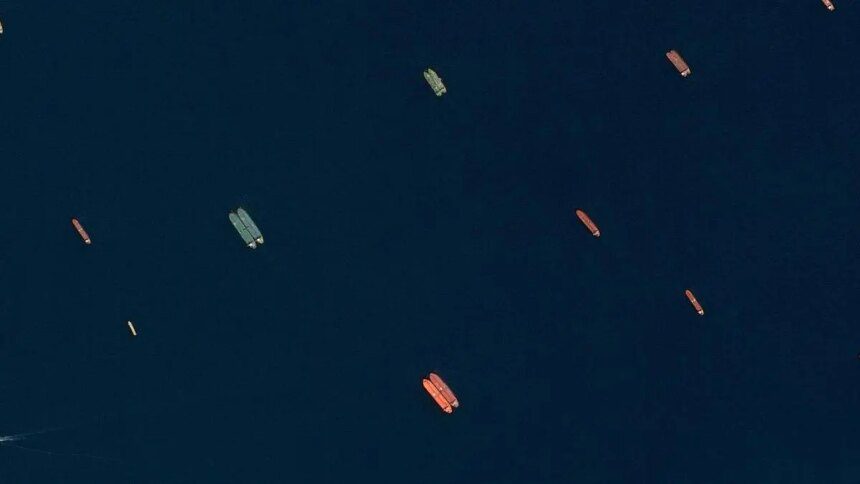
Key locations identified for these operations include waters off Fujairah in the United Arab Emirates and the port of Sohar in Oman. Shipping data indicates that over 116 vessels have participated in these oil transfers, peaking with simultaneity as recently as June 11, when 17 pairs of ships were noted operating in proximity at these sites.
The involvement of an Apache helicopter, which was shot down in an encounter with Iranian forces on June 9, underscores the operational risks involved. While U.S. officials maintain that Central Command forces are not directly participating in the transfers, the strategic significance of these operations is clear.
Technical Operations and Risks
The operations are conducted under careful supervision by the U.S. military, which is reportedly monitoring the associated tankers continuously. Tankers are instructed to maintain staggering distances of about 3,000 to 4,000 meters apart and travel with turned-off transponders during the transit through the Strait of Hormuz. This technique also helps mitigate detection by Iranian forces, yet it remains fraught with risk.
The transfers typically involve Very Large Crude Carriers (VLCCs), and each transfer can take between 24 to 40 hours. Despite the logistical complexity and potential dangers involved, such actions are considered crucial to circumventing the blockade imposed by Iran on what is a vital shipping route for global oil—especially significant for countries like India, which imports a large proportion of its oil from the Gulf region.
Involvement of Regional Players
Among the participants in these oil transfers, companies like UAE’s state-owned ADNOC and Kuwait Oil Tanker Company have been noted players. Analysis of shipping data reveals substantial involvement of Gulf producers in this U.S.-led operation. For instance, on June 6, approximately 2.3 million barrels of crude oil were transferred from the Kuwait Oil Tanker Company’s vessel off Sohar, illustrating the operational scale involved.
Such activities are underscored by broader strategic implications in the region. Iranian authorities have previously expressed readiness to take military action against vessels failing to comply with their directives in the Strait, revealing the heightened tensions that could potentially disrupt oil supplies further.
What This Means
The ongoing U.S.-led ship-to-ship oil transfer operations present both opportunities and challenges for energy-dependent nations like India. Given that roughly 20% of global oil consumption passes through the Strait, any disruptions in this corridor could dramatically increase energy costs and influence global oil prices. Furthermore, as India continues to seek stable oil supply lines amidst rising tensions, understanding these operational dynamics is crucial. This situation also amplifies the geopolitical considerations for India, as it navigates relationships with both the U.S. and Iran in the context of its energy security.
Frequently Asked Questions
What are ship-to-ship oil transfers?
Ship-to-ship oil transfers involve the transfer of oil from one tanker to another while at sea, without docking at a port. This technique is often used to bypass sanctions or logistical challenges.
How do U.S. military operations impact oil supplies?
The U.S. military oversees these operations to maintain oil exports from the Gulf region, which could otherwise be threatened by geopolitical tensions or military actions in the area.
Why are these operations risky?
Such operations face risks from potential military engagement or retaliatory actions from regional powers like Iran, especially considering the strategic importance of the Strait of Hormuz.
How does this affect India’s oil imports?
India, which heavily relies on imports from the Gulf, must stay informed about these operations, as any disruption could directly impact its energy costs and supply stability.